
Spring Gardening Standards for Soil, Safety & Tools
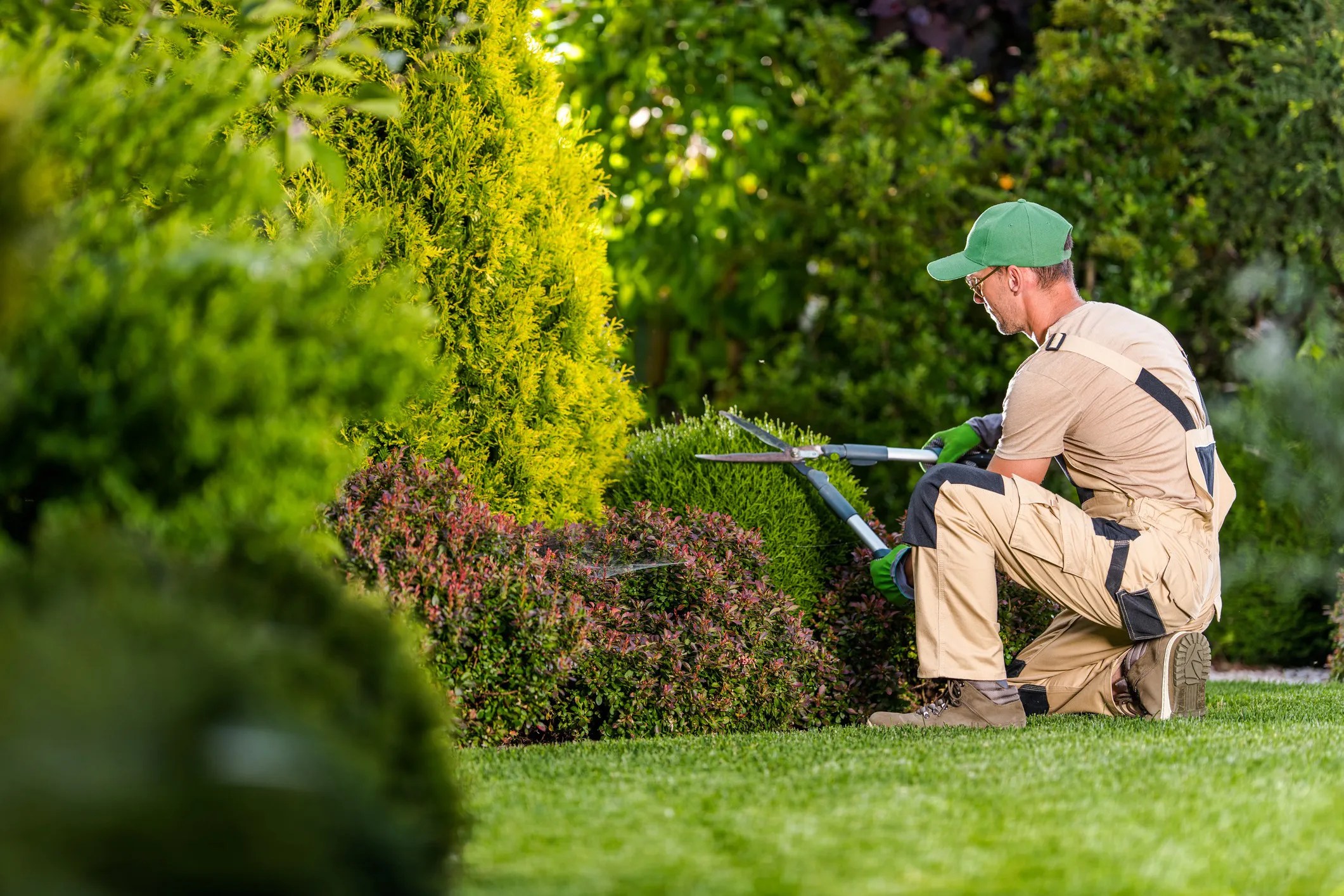
Spring gardening marks more than just the return of green; it is when soil ecosystems come alive, plant growth cycles restart, and landscapes transform into productive environments. As temperatures rise and daylight increases, gardeners have a critical window to prepare soil, select materials, and safely operate equipment. Standards help guide these activities. From defining high-quality topsoil, assuring compostable materials break down properly, and improving machinery safety, various standards help create more successful, efficient, and sustainable gardens.
Spring Gardening in Action: Soil Prep, Composting, and Safe Equipment Use
Spring gardening involves a combination of preparation, planting, and maintenance. Importantly, gardening as well as composting practices play a meaningful role in environmental protection—food scraps and yard waste make up more than 30% of municipal solid waste in the United States, most of which could be diverted from landfills to reduce methane emissions and support healthier soil systems.
Whether you are enriching soil, composting organic waste, or maintaining turf, following established standards for helps assure better results and safer practices.
Soil Quality and Composting Standards for Healthier Spring Gardens
Healthy soil is the foundation of every successful garden. Soil quality, organic content, and material biodegradability all influence plant growth and long-term sustainability. Key standards include:
- ASTM D5268-23 defines requirements for topsoil used in landscaping and gardening, ensuring proper nutrient content and structure.
- ASTM D6400-23 & ASTM D6868-21 specify criteria for labeling plastics as compostable—important when selecting biodegradable mulch films and garden materials.
- ISO 17556:2019 & ASTM D5988-18(2025) provide methods for testing how plastics biodegrade in soil, helping gardeners choose environmentally responsible products.
- ISO 18400-206:2018 covers proper soil sampling and handling techniques to accurately assess soil health and microbial activity.
Gardening Equipment Safety Standards: ISO Guidelines for Spring Lawn Care
Spring gardening often requires powered tools like mowers, trimmers, and collection systems. Safety and performance are critical during this high-use season. Important international standards include:
- ISO 17103:2009 establishes safety requirements for protective skirts on rotary and flail mowers to reduce debris hazards.
- ISO 21299:2009 covers ride-on turf equipment safety, including roll-over protective structures (ROPS).
- ISO 21628:2020 specifies safety requirements for powered material-collecting systems such as grass catchers.
- ISO 5395-1:2013 defines the terminology and common test methods for verifying the safety requirements of combustion-engine-powered rotary and cylinder lawnmowers.
Landscaping Standards for Spring: Turfgrass, Green Roofs, and Garden Design
Spring is also a prime time for landscaping projects, from lawn restoration to advanced systems like green roofs. Relevant ASTM standards include:
- ASTM E2777-20 provides guidance for vegetative (green) roof systems, including design, planting media, and maintenance.
- ASTM F2060-00(2025) offers best practices for maintaining cool-season turfgrasses, ideal for spring lawn care.
Spring Gardening Standards Overview Chart
| Standard | Focus Area | Why It Matters for Spring Gardening |
| ASTM D5268-23 | Topsoil specification | Ensures nutrient-rich, balanced soil for planting |
| ASTM D6400-23 / ASTM D6868-21 | Compostable plastics labeling | Helps select eco-friendly mulch & materials |
| ISO 17556:2019 / ASTM D5988-18(2025) | Plastic breakdown in soil | Supports sustainable gardening practices |
| ISO 18400-206:2018 | Soil sampling & handling | Improves accuracy of soil health analysis |
| ISO 17103:2009 | Protective skirts on mowers | Reduces risk of flying debris injuries |
| ISO 5395-1:2013 | Safety requirements for lawnmowers | Improves safety for walk-behind and handheld mowing equipment |
| ISO 21299:2009 | Ride-on mower safety (ROPS) | Prevents roll-over accidents |
| ISO 21628:2020 | Material collection safety | Improves safe debris and grass handling |
| ASTM E2777-20 | Vegetative roof systems | Supports sustainable urban gardening |
| ASTM F2060-00(2025) | Cool-season lawn care | Optimizes spring lawn recovery |
Why Standards Are Essential for Successful Spring Gardening
Standards provide a framework for consistency, quality, and safety—whether you are a home gardener or a landscaping professional. From soil preparation to equipment safety and sustainable materials, standards help transform gardening into a more precise, efficient, and environmentally responsible process—setting the stage for a thriving growing season.