
How the Sound of Packaging Influences Consumer Perception
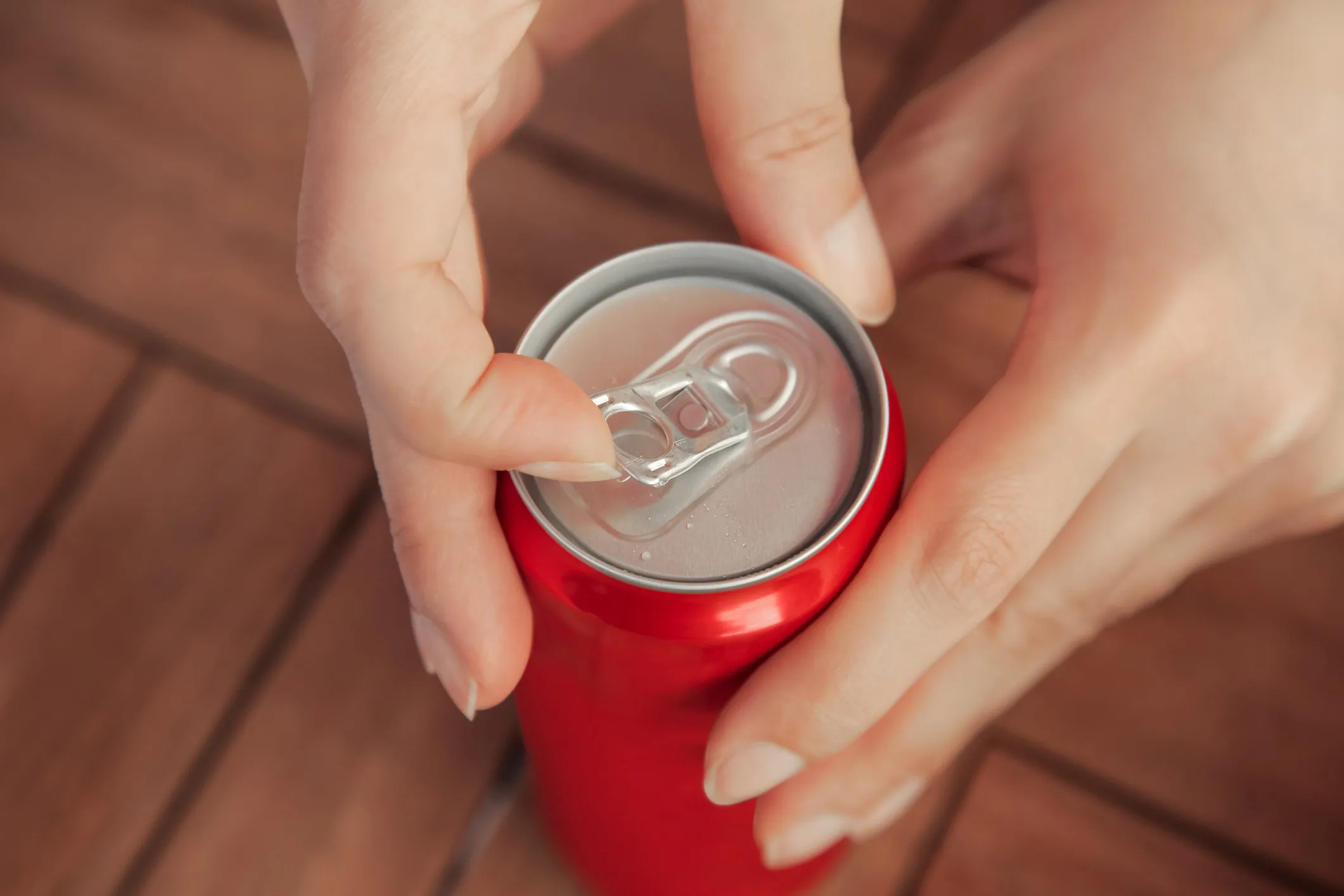
Packaging is not just a protective barrier—it is an experience in itself. Imagine the satisfying snap of a perfectly sealed bag, the gentle crinkle of a chip packet, or the smooth pop of a vacuum-sealed container being opened. These sounds do not just capture our attention; they evoke a sense of freshness, quality, and anticipation—ultimately influencing purchasing behavior. Behind this creative side of sonic branding are standards that help bring structure to brand expression and the quality of the packaging material itself.
How Does Packaging Influence Consumer Expectations?
Packaging plays a pivotal role in shaping consumer perceptions and driving purchasing decisions, not just through its visual appeal (e.g., bold colors, sleek lines, and enticing imagery) but through these sensory moments. For example, if a chip bag is too quiet, or if a bottle does not have a satisfying pop, consumers may begin to question the quality or freshness of the product inside. The sound — or lack thereof — can alter their perceptions and impact their buying decision. Research shows that consumers are more likely to purchase products with packaging that produces pleasing sounds because it subconsciously reinforces the idea of quality and enjoyment.
What Is Sonic Branding?
According to research in sensory marketing, consumers form expectations on a product’s quality, freshness, and attributes based on the sounds they associate with its packaging. This phenomenon of expressing one’s brand via sound is known as “sonic branding;” it has been leveraged by brands for decades to create emotional connections with their customers. Sonic branding commonly appears through a ‘jingle,’ a short, instantly recognizable piece of music or sound that customers link to a brand and it also relates to the auditory experience of packaging.
Hence, using marketing and relevant standards is paramount to driving sales, increasing brand awareness, attracting new customers, building customer loyalty, and fostering a positive brand image. For example, by providing a framework for consistent brand expression across all touchpoints, ISO 20671-1:2021 can help with sonic branding. While the standard’s core focus is on comprehensive brand evaluation and management, it can help assure that all assets (including sonic ones) are aligned with the brand’s core identity and help drive business value.
The ISO 20671-1 Standard for Brand Evaluation
ISO 20671-1:2021 specifies the fundamentals and principles for brand evaluation, including an integrated framework for brand evaluation containing necessary brand input elements, output dimensions and sample indicators. It provides principles for both internal (marketing accountability) and external (financial reporting) brand assessments, covering inputs, dimensions, and reporting.
ISO 20671-1:2021 is for anyone involved with brand value, including brand managers, marketers, business strategists, financial analysts, consultants, and executives (CEOs, CFOs), to systematically evaluate, manage, and report on brand strength and monetary value for better internal planning and external stakeholder communication (investors, lenders).
Assuring Sensory Quality with ASTM E460-21
While the creative elements of how a food and beverage package sound are important for elevating a customer’s experience with the brand, safety and quality of the packaging material itself cannot be forgotten. ASTM E460-21 is designed to detect the changes in sensory attributes of foods and beverages stored in various packaging materials or systems, or both. This standard deals with sensory evaluation of food packaging to assure that materials do not alter the flavor, aroma, or overall sensory experience of the product.
ASTM E460-21 helps manufacturers assure that packaging protects the product’s sensory attributes, preventing issues like off-flavors from material contamination or adsorption, and identifies potential permeation from external contaminants.
The Role of Sensory Packaging and Quality Standards in Consumer Perception
Standards like ASTM E460-21 protect flavor and aroma by preventing contamination, while ISO 20671-1:2021 helps brands align sensory elements with their identity. Together, these standards assure packaging both enhances the experience and preserves product integrity.
ISO 20671-1:2021—Brand evaluation – Part 1: Principles and fundamentals and ASTM E460-21: Standard Practice for Determining Effect of Packaging on Food and Beverage Products During Storage are available on the ANSI Webstore.