ISO 10256-1:2024—Protective Equipment for Ice Hockey
Protective equipment in ice hockey enables players to move without hesitation, lean into a check, block a shot, and dive across the crease with complete…

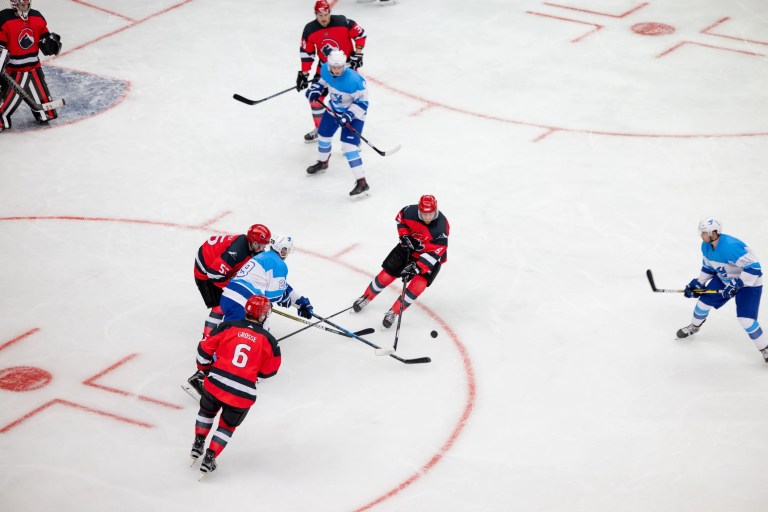
Protective equipment in ice hockey enables players to move without hesitation, lean into a check, block a shot, and dive across the crease with complete…
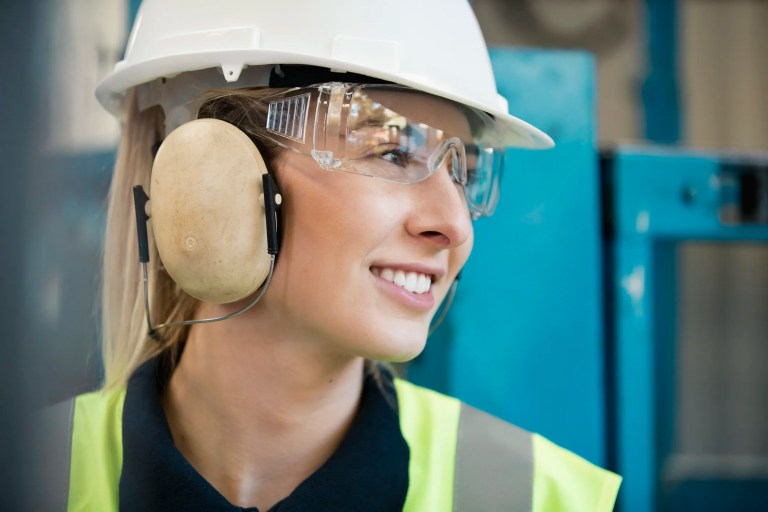
The most recent edition of the American National Standard used for safety glasses, safety goggles, side shields, and other eye and face protection devices is…
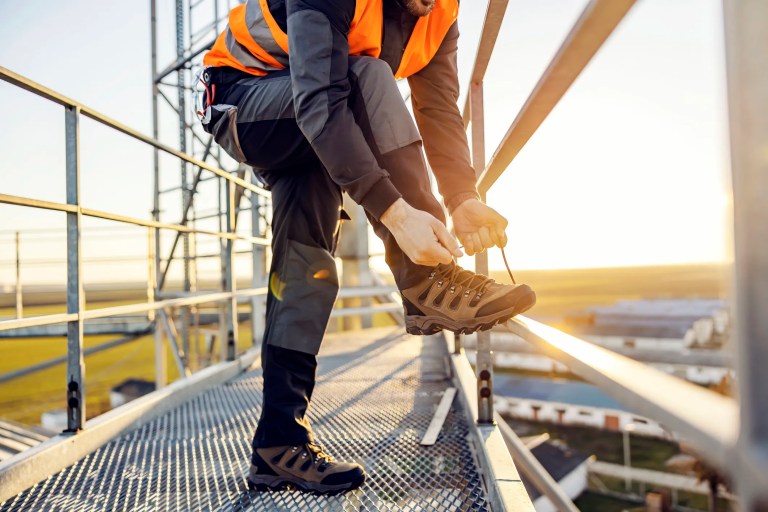
60,000-foot injuries—including broken toes and feet, puncture wounds, cuts, severed toes, burns, electric shocks, and sprains or fractures—are responsible for keeping people from work each…
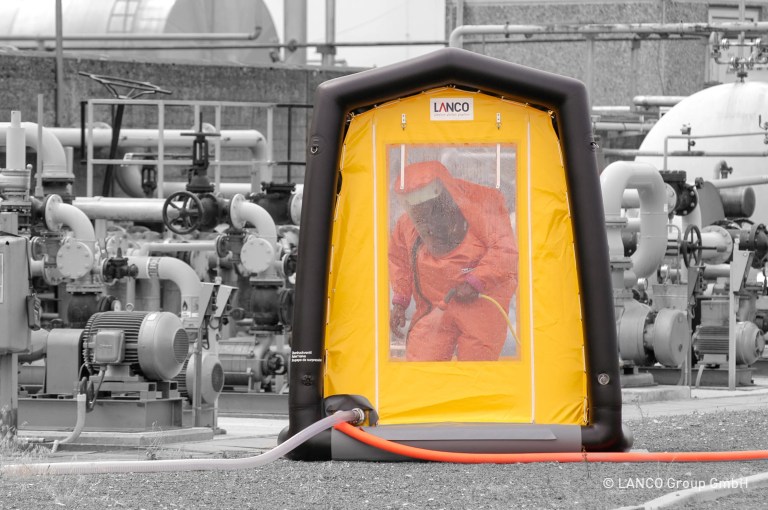
When dangerous chemicals spill or hazardous materials are released, most focus on the immediate threat, as they should in the first phase of such a…
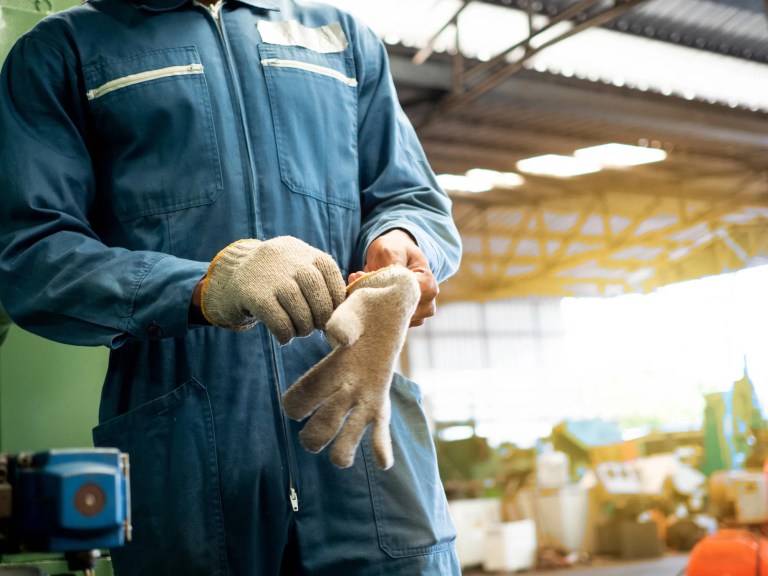
On factory floors, construction sites, and recycling lines, workers routinely handle sharp metal, broken glass, and abrasive materials that can cause serious hand injuries in…
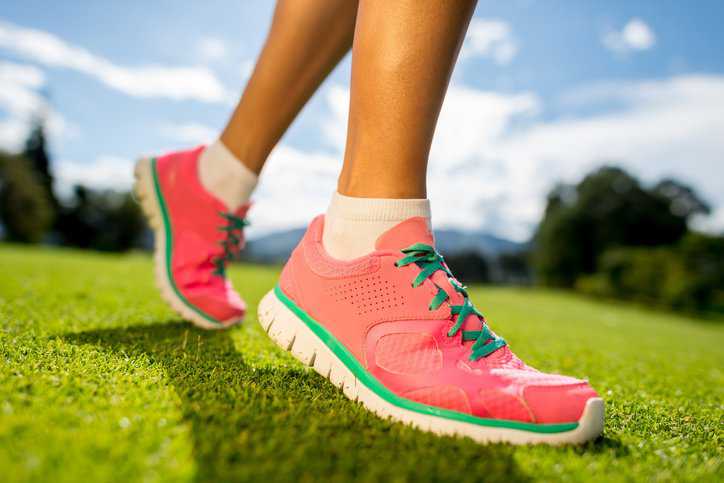
Wearing the correct athletic shoes helps serve as a protective measure against possible injuries. Since high-impact activities put a lot of strain on one’s feet,…
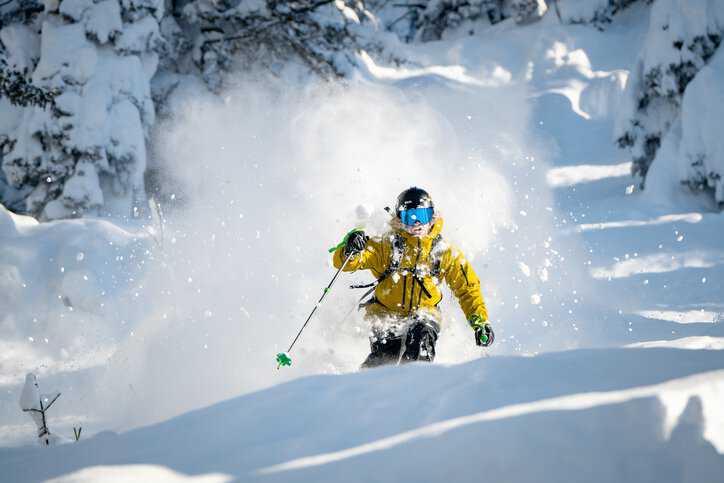
Thousands of years ago, the Inuit and Yupik peoples of Alaska and northern Canada created the first snow goggles, which were made by carving narrow…
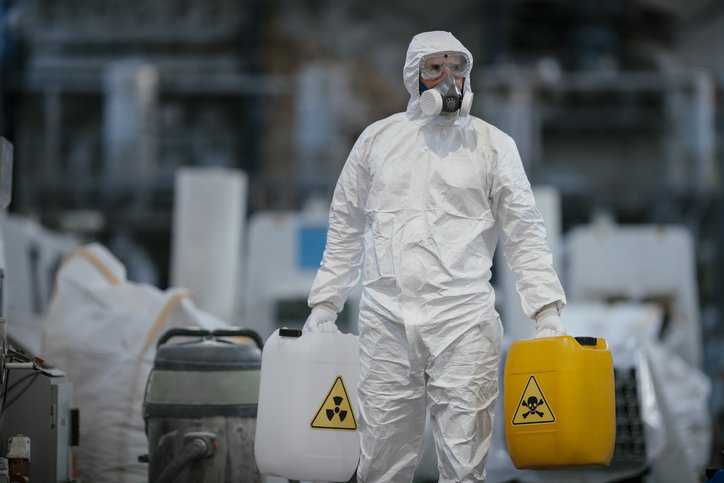
Disposable coveralls provide full-body protection against contaminants, particulates, chemicals, biological agents, hazardous materials, and various other dangerous elements. Not only do they provide superior protection,…

As a business owner or safety officer, it is crucial to be prepared for potential accidents in the workplace. Understanding workplace first aid kit requirements…