ANSI E1.4-1-2022: Manual Counterweight Rigging Systems
A manual counterweight rigging system allows for safe and controlled movement of heavy stage elements, such as scenery, lights, curtains, and even actors “flying” up…
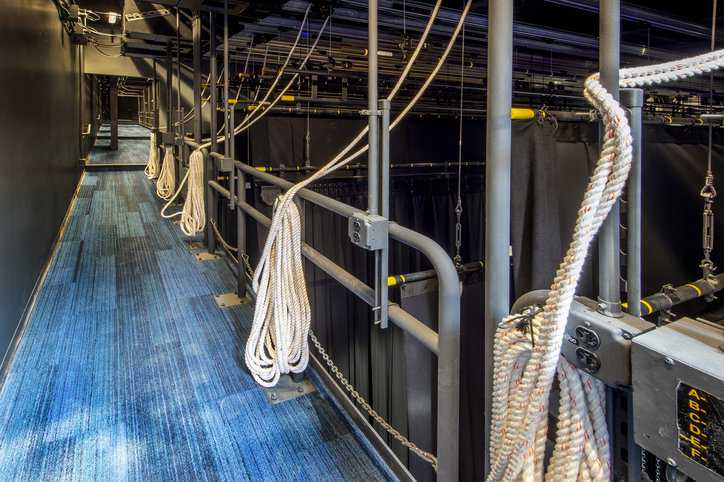
A manual counterweight rigging system allows for safe and controlled movement of heavy stage elements, such as scenery, lights, curtains, and even actors “flying” up…

While many methods that workers use to avoid hazards derive from common sense, some are not as intuitive, and proper training is required to prepare…
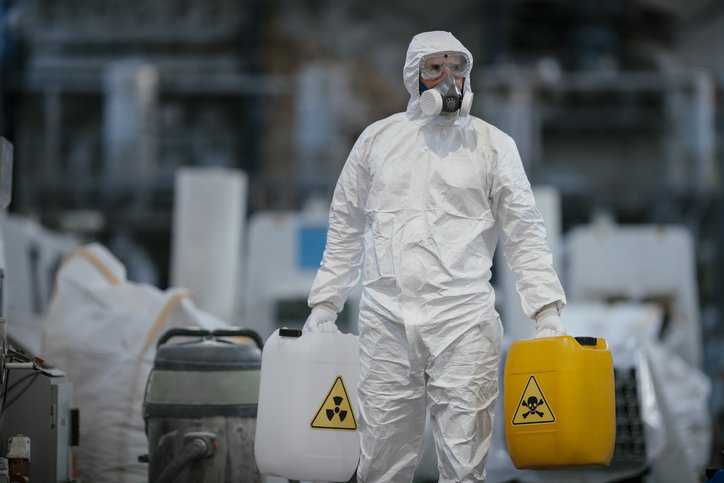
Disposable coveralls provide full-body protection against contaminants, particulates, chemicals, biological agents, hazardous materials, and various other dangerous elements. Not only do they provide superior protection,…

As a business owner or safety officer, it is crucial to be prepared for potential accidents in the workplace. Understanding workplace first aid kit requirements…
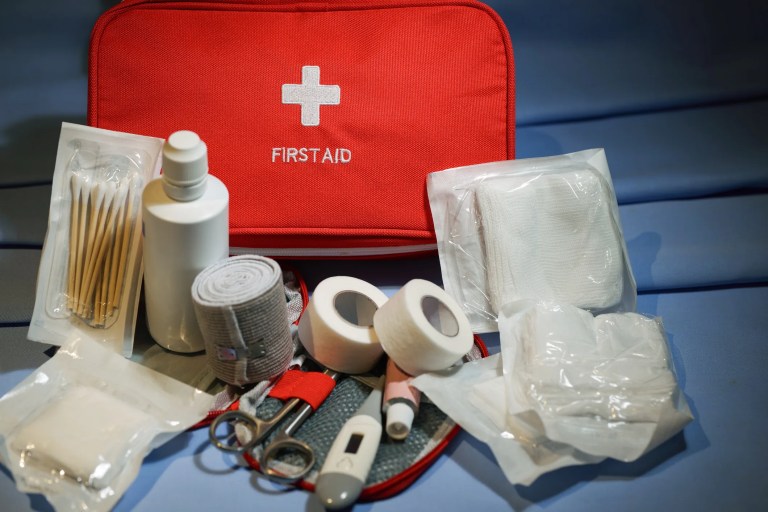
Workplace injuries can happen anywhere—from offices to construction sites. A properly stocked first aid kit allows employees to treat minor injuries quickly before professional medical…

Conformity assessment systems are important because they provide confidence to buyers, sellers, consumers, and regulators that products, services, and systems meet specific requirements. This confidence helps assure…
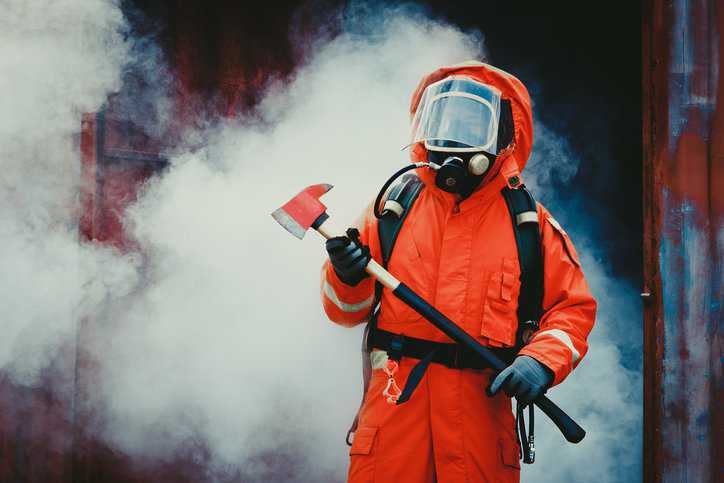
From dangerous gas leaks to fires, life-threatening situations can occur in seconds. In these emergency situations, rescue workers and people in danger must have quick…
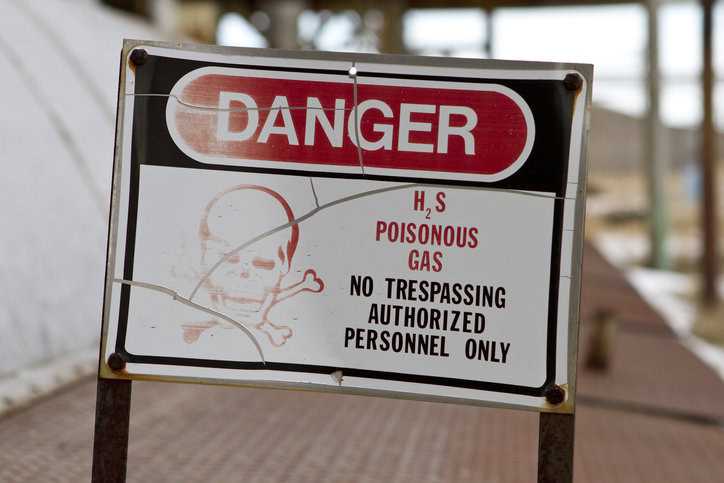
Hydrogen sulfide stinks. Some describe its stench as reminiscent of “rotten eggs.” However, this odor isn’t the gas’s only characteristic. H2S is flammable and poisonous….

Parade floats first appeared in the United States in the early 1800s; they became mainstays by the mid-century when, in 1857, New Orleans held its…