NSF/ANSI 4-2025: Commercial Cooking Equipment Sanitation
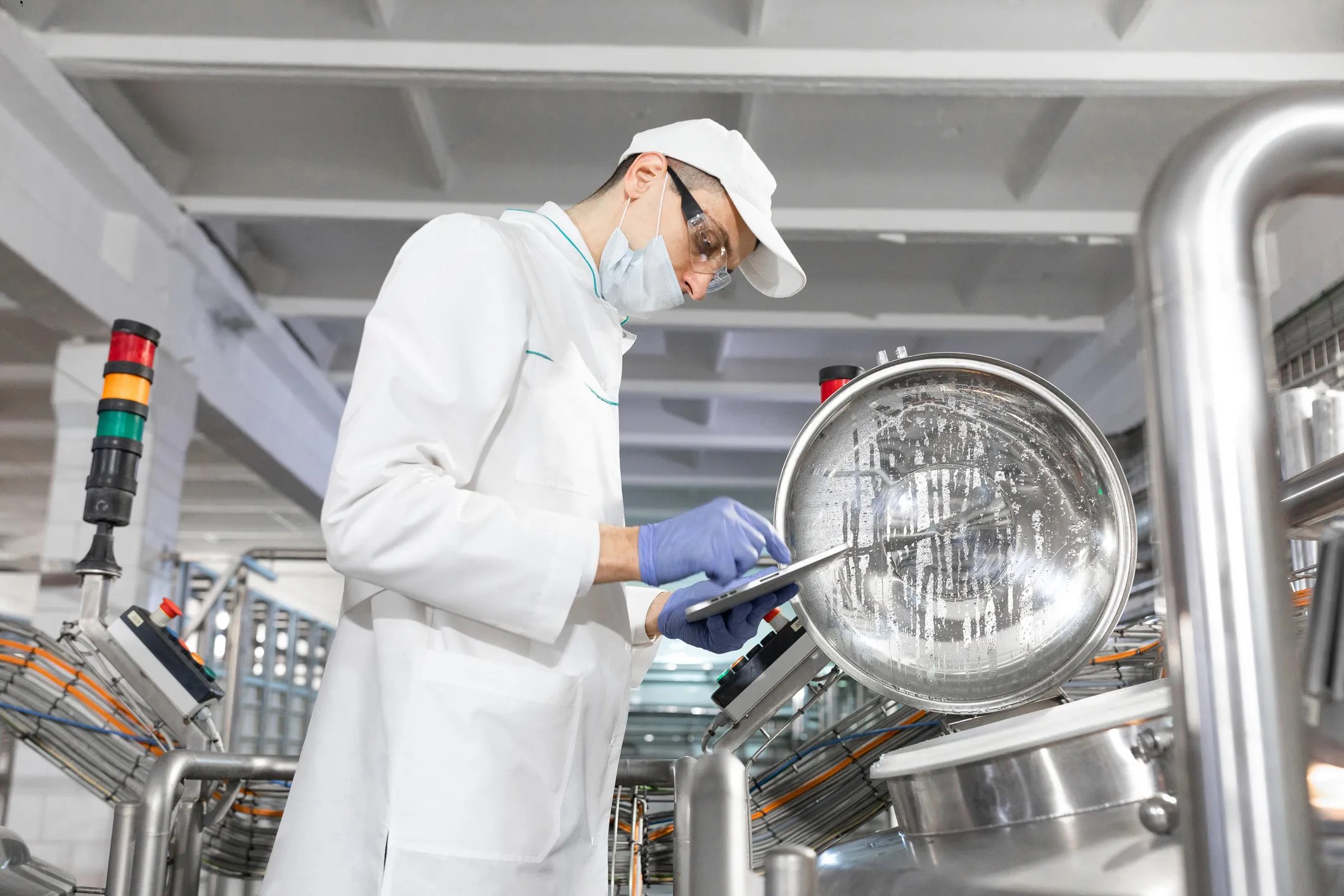
When was the last time you dined at a restaurant or ordered take-out? On average, a person dines out 3 times per month and orders take-out 4.5 times per month. To assure that we can safely enjoy our meals, it is crucial that restaurants implement proper sanitation procedures. NSF/ANSI 4-2025: Commercial Cooking, Rethermalization, and Powered Hot Food Holding and Transportation Equipment provides food protection and sanitation requirements for commercial food equipment and their related components.
What Is Commercial Food Equipment Sanitation and Why It Matters
Commercial food equipment sanitation is the essential process of cleaning and sanitizing food-contact surfaces (counters, cutting boards, machines) to remove food debris, grease, and bacteria, thereby reducing pathogens to safe, compliant levels. Sanitation encompasses methods, procedures, and chemicals used to clean food processing equipment as well as the hygienic design of facilities and equipment and food worker hygiene.
Effective sanitation in the food service industry is absolutely critical due to the high risk of foodborne illnesses. In the United States alone, approximately 48 million people are affected by foodborne illnesses each year, leading to significant public health concerns. Health inspectors and surveyors rely on sanitation standards such as NSF/ANSI 4-2025 to assure that food equipment is designed to minimize the risk of foodborne illnesses.
What Is NSF/ANSI 4?
NSF/ANSI 4-2025 establishes food protection and sanitation requirements for the materials, design, construction, and performance of commercial cooking, rethermalization, and hot food holding and transport equipment and their related components.
Section 7, “Food equipment provided with a security package” of NSF/ANSI 4-2025 pertains to food handling and processing equipment that has been designed and manufactured for special use purposes. Food equipment designed and manufactured with a security package is utilized in environments such as correctional facilities, mental health facilities, or some schools. For these environments, where both sanitation and security are concerns, Section 7 contains exceptions to this standard that should only be applicable to the splash and nonfood zones of food equipment provided with a security package.
NSF/ANSI 4-2025 does not contain safety requirements.
What Are the Changes in the 2025 Edition of NSF/ANSI 4?
NSF/ANSI 4-2025 contains the following revision:
- Issue 39: this revision adds language regarding the use of glass and glass-like materials (new Section 4.7). This new section details that glass and glass-like coatings (e.g., porcelain enamel or ceramic) are allowed on food-contact surfaces of panini grills, roller grills, rice cookers, and waffle irons.
What Food Equipment Is Covered in NSF/ANSI 4?
Equipment covered by this American National Standard includes, but is not limited to:
- Ranges
- Ovens
- Fat/oil fryers
- Fat/oil filters
- Griddles
- Tilting griddle skillets
- Broilers
- Steam and pressure cookers
- Kettles
- Rotisseries
- Toasters
- Coffee makers and other hot beverage makers
- Component water heating equipment
- Proofing boxes and cabinets
- Hot food holding equipment
- Rethermalization equipment
- Hot food transport cabinet
Assuring Food Sanitation with NSF/ANSI 4
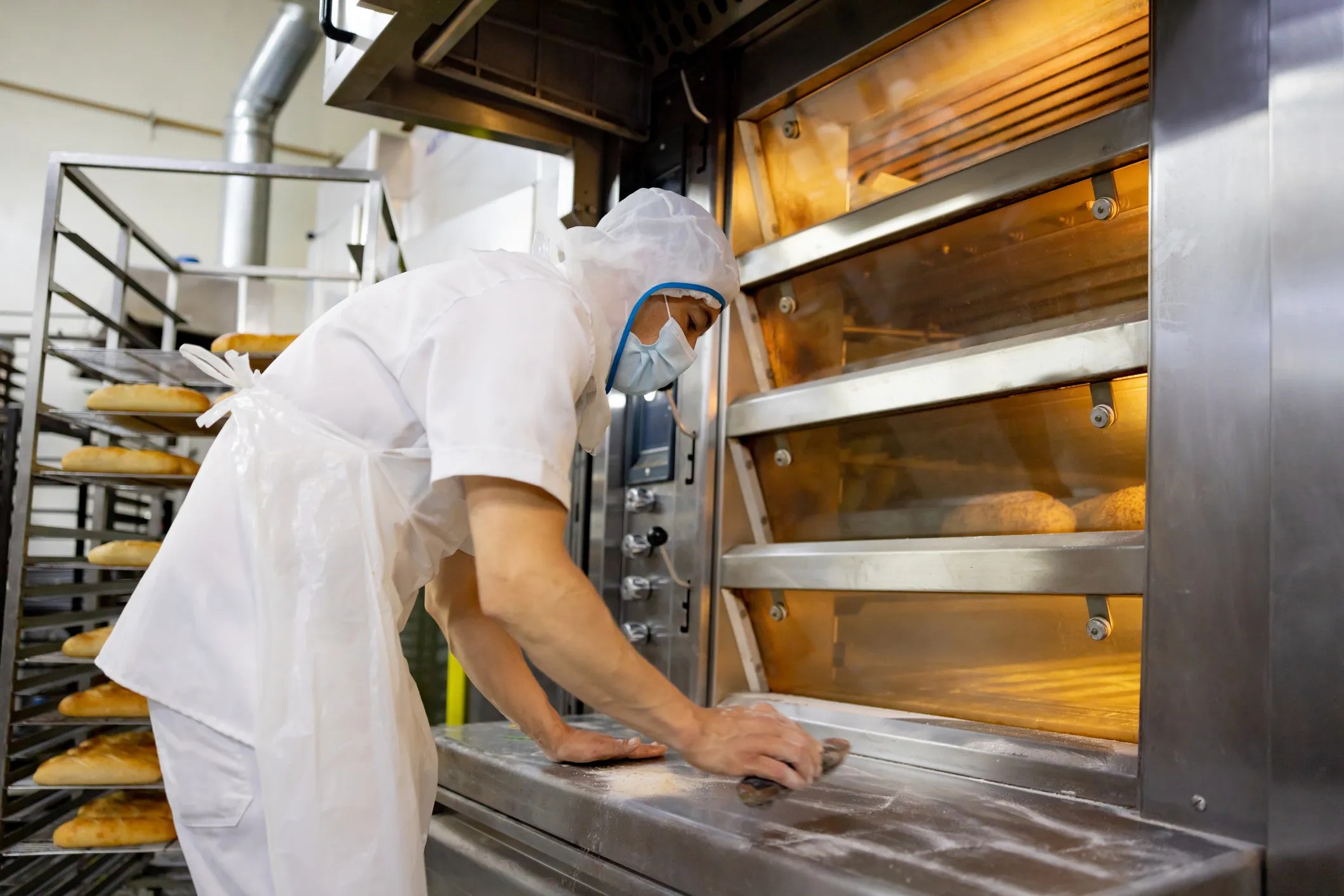
NSF/ANSI 4-2025 requires commercial food equipment to be free from conditions that could promote unsanitary environments, including mold growth, pest harborage, and the buildup of dirt and debris. Key requirements include using corrosion-resistant, food-safe materials (non-toxic, non-absorbent) and designing equipment to prevent debris accumulation and allow easy cleaning (e.g., coved corners, sealed seams).
What Does CIP Mean in the Food Industry?
Clean-in-place (CIP) describes systems and equipment used in food processing that can be cleaned and sanitized without being disassembled or moved. It is essentially the cleaning of complete items of plant or pipelines circuits without dismantling or opening of the equipment and with little to no movement involved by the operator. On the other hand, clean-out-of-place (COP) denotes systems and equipment that must be disassembled, relocated, or specialty treated in order to clean and sanitize them.
NSF/ANSI 4-2025 specifies requirements for food zones for which a CIP is intended, including:
- CIP should be designed and manufactured so that cleaning and sanitizing solutions can be circulated or passed throughout the fixed system.
- The design of the CIP should assure that cleaning and sanitizing solutions contact all food contact surfaces.
- CIP system should be self-draining or capable of being completely evacuated.
- Equipment for which CIP is intended should have a drain that enables the equipment to be plumed to waste.
NSF/ANSI 4-2025: Commercial Cooking, Rethermalization, and Powered Hot Food Holding and Transportation Equipment is available on the ANSI Webstore as well as in the Standards Package: NSF Food Equipment Complete Set.



Your 💕 dedication to creating valuable content really shows in every single post you share