
ISO 29001:2020— Petroleum, Petrochemical And Natural Gas
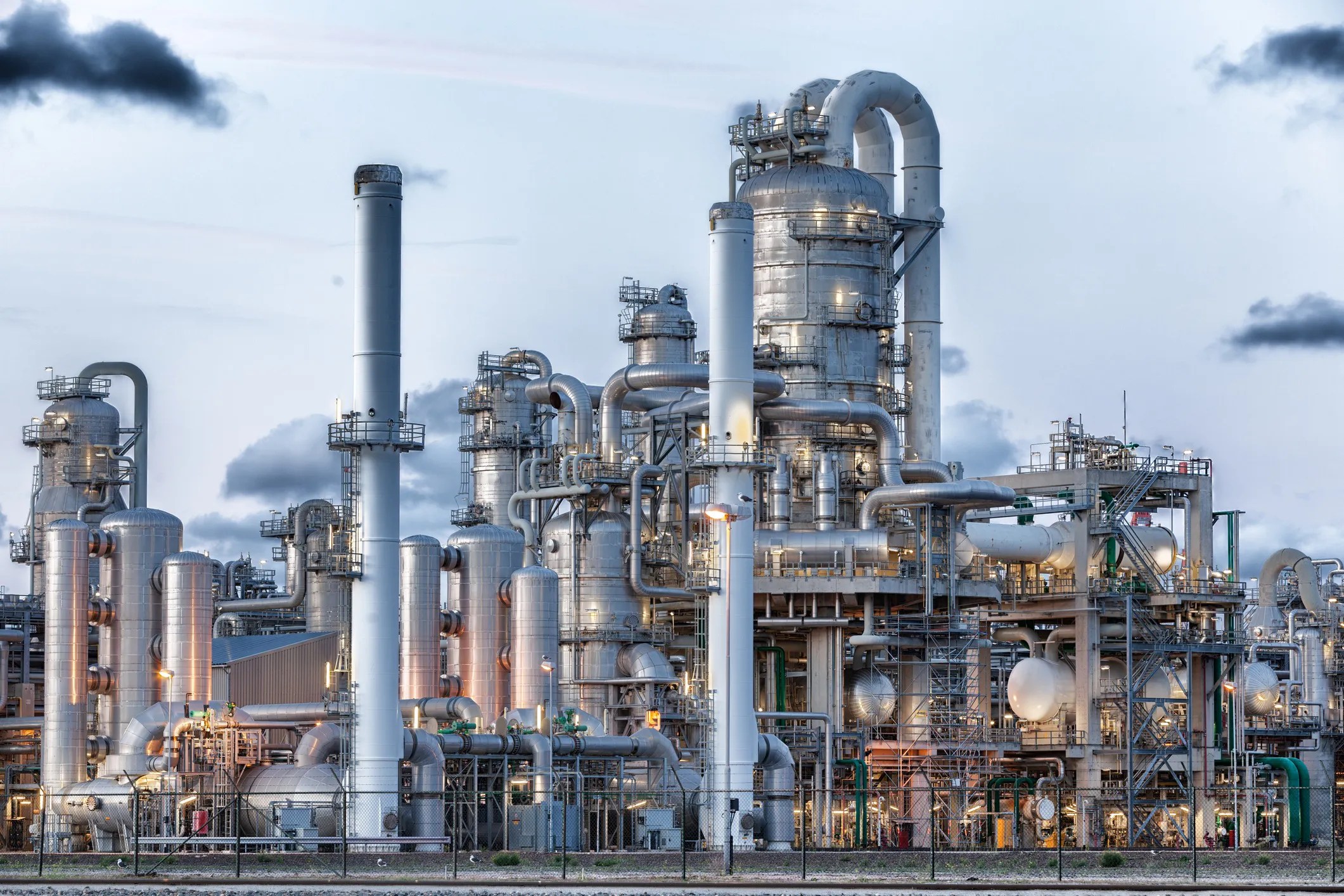
Petrochemicals are chemical compounds that are extracted by refining and processing petroleum (crude oil) and natural gas. They make the manufacturing of over 6,000 everyday products—such as plastics, soaps, fertilizers, paints, carpets, clothing, medical equipment— and high-tech devices possible. Although modern life is transitioning to more renewable energy sources, harvesting the power of the sun requires help from chemicals made with fossil fuels. ISO 29001:2020— Petroleum, Petrochemical And Natural Gas Industries – Sector-Specific Quality Management Systems – Requirements For Product And Service Supply Organizations provides quality management system requirements for the petroleum, petrochemical, and natural gas industries.
How Do Petrochemicals Advance Renewable Energy?
Solar energy and wind energy are connected to petrochemicals. Solar panels are usually made from converting photons from the sun into energy. The photovoltaics, which turn sunlight into energy, are typically sandwiched between layers of copolymers. One of the petrochemical building blocks common to many of the copolymers is ethylene—a petrochemical derived from oil and natural gas. Further, wind energy—which makes up a little under 7% of U.S. energy consumption—relies on petrochemicals, such as propylene and xylene for the production of engine houses and rotor blades.
What Is ISO 29001?
ISO 29001:2020 defines quality management system requirements for product and service supply organizations to the petroleum, petrochemical, and natural gas industries. The standard specifies requirements for a quality management system when an organization:
- Needs to demonstrate its ability to consistently provide products and services that meet customer and applicable statutory and regulatory requirements.
- Aims to enhance customer satisfaction through the effective application of the system, including processes for improvement of the system and the assurance of conformity to customer and applicable statutory and regulatory requirements.
All the requirements of ISO 29001:2020 are generic and are intended to be applicable to any organization, regardless of its type or size, or the products and services it provides. This standard is written as a supplement to ISO 9001:2015, Quality Management System- Requirements. The supplementary requirements and guidance to ISO 9001:2015 have been developed to manage supply chain risks and opportunities associated with the petroleum, petrochemical and natural gas industries and to provide a framework for aligning requirements with complementary standards employed within the industries.
What Is the Difference between Petroleum and Natural Gas?
Petroleum and natural gas are nonrenewable sources of energy. They both are used as a heat source, produce energy and are made up of different hydrocarbons which are compounds of both hydrogen and carbon. Petroleum and natural gas are also fossil fuels (along with coal), formed millions of years ago from the remains of dead plants and animals. The biggest difference between petroleum and natural gas is their molecular makeup as well as their uses and consumption.
Also called crude oil or oil, petroleum is a liquid mixture found underground that can after refinement can be used to produce oil, heating oil and diesel fuels, gasoline, asphalt, propane, residential fuel oil, jet fuel, and many other products (such as plastics). It is comprised of a wide and diverse selection of complex hydrocarbons. Because of its unique and complex makeup, petroleum comes in many different forms and its viscosity and volatility can vary widely. Due to each deposit of petroleum having its own unique mix of chemicals, it requires extensive refining for it to be commercially used.
Sometimes just called gas, natural gas is made up of a mixture of different gasses like ethane, propane, butane, methane, and pentane. The greatest benefit of natural gas is that its main component (roughly 80%) is the relatively simple hydrocarbon methane. This simple structure makes natural gas much easier to refine for commercial use and as such is the cleanest-burning fossil fuel. Natural gas is used for electrical power generation, residential heating, commercial heating, and industrial production.
What Are the Petrochemicals of Oil and Natural Gas?
Petrochemicals are derived from hydrocarbons such as propane, ethane, butane, or other components separated from crude oil and natural gas liquids. Major petrochemicals—including ethylene, propylene, acetylene, benzene, and toluene, as well as natural gas constituents like methane, propane, and ethane—are the feedstock chemicals for the production of many everyday products. They are an essential part of the chemical industry as the demand for synthetic materials grows continually and plays a major part in today’s economy and society. Petrochemicals are used to manufacture thousands of different products that people use daily, including plastics, medicines, cosmetics, furniture, appliances, electronics, solar power panels, and wind turbines. Here is a list of important petrochemicals and their uses:
- Ethylene: Used in paper, consumer electronics, detergents, footwear, and adhesives
- Propylene: Used in paints, furniture, textiles, pharmaceuticals, and food packaging
- Benzene: Creates pharmaceuticals, furniture, electronics, and food packaging
- Methanol: Used in thermal insulation and building construction
- Toluene: Creates inks and sports equipment
Where to Find ISO 29001
ISO 29001:2020— Petroleum, Petrochemical And Natural Gas Industries – Sector-Specific Quality Management Systems – Requirements For Product And Service Supply Organizations is available on the ANSI Webstore as well as in the following Standards Package: Oil and Gas (General Sector).