ISO 22005:2007—Traceability in the Feed and Food Chain
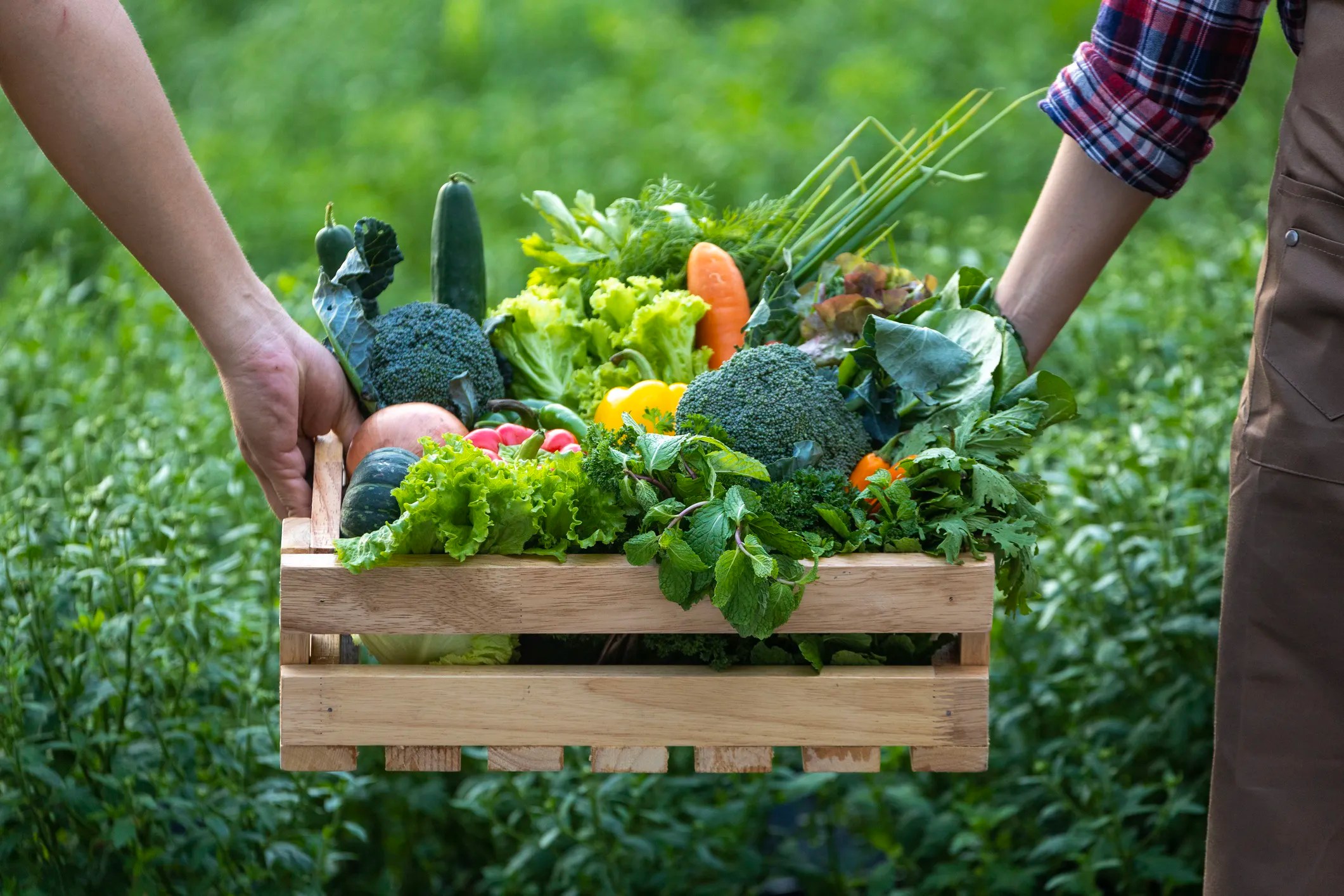
More and more Americans are interested in how their food is produced, processed, and distributed. 81% of consumers deem transparency “important” or “extremely important.” This demand is driven by desires for safety, quality, and origin information, with studies showing a willingness to pay a premium of up to 32% for traceable products. ISO 22005:2007—Traceability in the feed and food chain – General principles and basic requirements for system design and implementation plays a crucial role in assuring traceability throughout the food and feed supply chains.
Importance of Food and Feed Traceability for Safety and Risk Reduction
Food traceability is the ability to track any food product, ingredient, or substance through all stages of production, processing, and distribution. Traceability is not just limited to food. It extends to feed as well, a major concern in industries like livestock and aquaculture. The integration of traceability into animal feed systems assures that feed components are safe and free from contamination, which, in turn, reduces risks in the food supply chain.
In the event of a foodborne illness outbreak or contamination, efficient product traceability in the food and feed chain allows government agencies and food producers to quickly identify the source of the contaminated product and pinpoint where the contamination occurred. This facilitates the rapid removal of affected products from the marketplace, helping to minimize the spread of foodborne illnesses.
What Is ISO 22005:2007?
ISO 22005:2007 gives the principles and specifies the basic requirements for the design and implementation of a feed and food traceability system. It enables organizations to track the flow of materials—from production to distribution—assuring food safety, regulatory compliance, and rapid response during crises. Furthermore, ISO 22005:2007can be applied by an organization operating at any step in the feed and food chain and is intended to be flexible enough to allow feed organizations and food organizations to achieve identified objectives.
What Is the Traceability System in ISO 22005:2007?
The traceability system defines the product history, location, and key data to maintain supply chain transparency. It is a technical tool to assist an organization to conform with its defined objectives. Traceability in the feed and food chain improves risk management (recalls), enhances consumer trust, and increases operational efficiency.
Benefits of Implementing a Food Traceability System
There are numerous benefits to implementing a food traceability system, such as:
- Enhanced Food Safety: In the event of a contamination, traceability allows for a quicker response, helping reduce the impact of foodborne illnesses.
- Regulatory Compliance: Many countries have strict food safety laws, and ISO 22005:2007 can help companies meet these requirements. For example, the European Union has implemented stringent traceability laws for food products (EU Regulation 178/2002).
- Increased Consumer Confidence: With increasing consumer demand for transparency in the food industry, businesses with food traceability systems can build trust by showing that they take food safety seriously.
- Reduced Risks: Being able to trace a product’s origins and movements helps businesses identify and minimize risks related to contamination, fraud, and quality issues.
- Operational Efficiency: Proper traceability systems can improve supply chain management by providing real-time data about products, which helps businesses make better decisions, streamline processes, and reduce waste.
Where to Find ISO 22005:2007
Whether you are a farmer, producer, processor, retailer, or distributor, ISO 22005:2007 establishes a framework to establish or verify a product’s history and traceability.
ISO 22005:2007—Traceability in the feed and food chain – General principles and basic requirements for system design and implementation is available on the ANSI Webstore and in the ISO 22000 Food Safety Management Systems Package.