ISO 12900:2018—Hard Coal – Determination of Abrasiveness
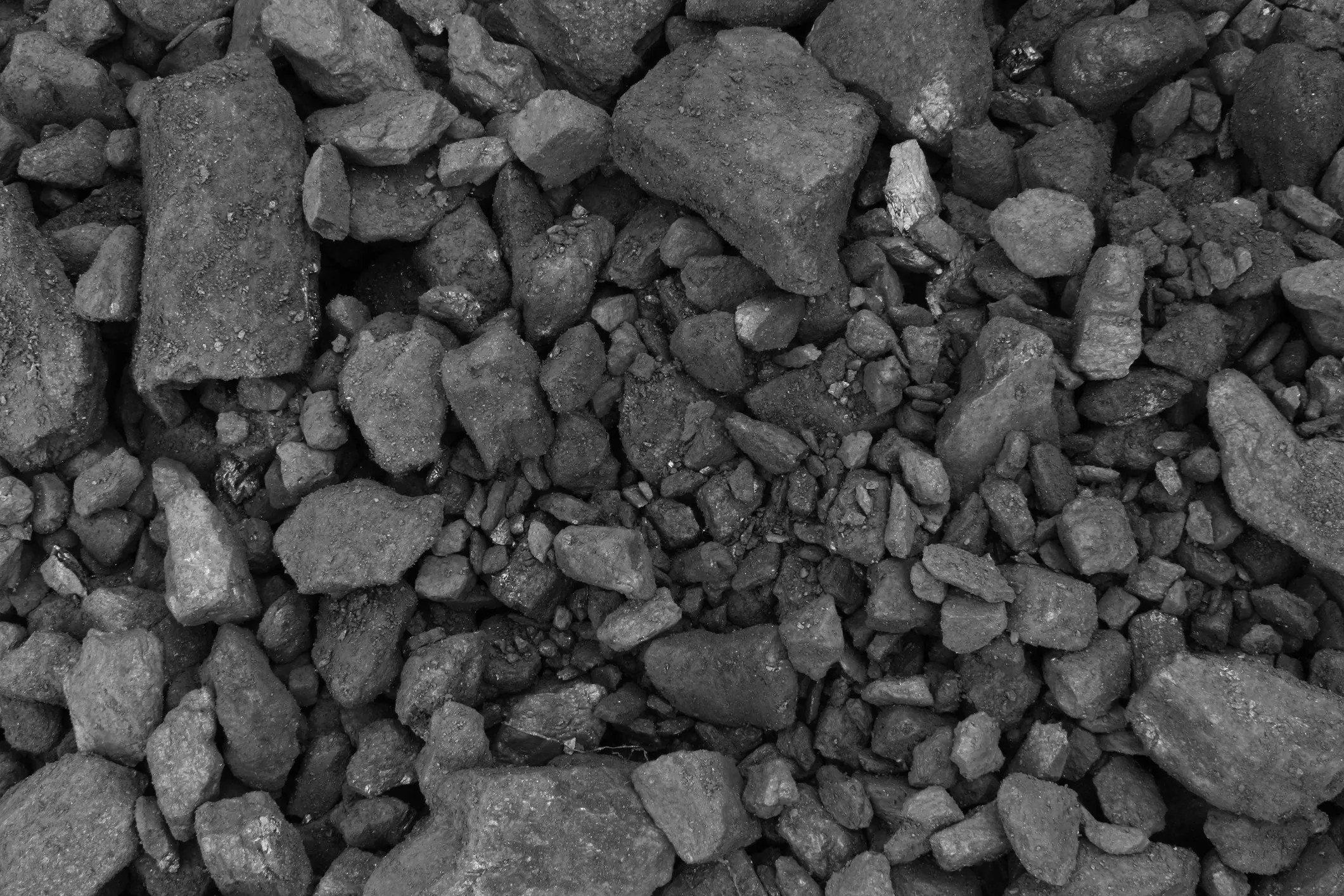
Coal abrasiveness is a key parameter influencing equipment wear, maintenance costs, and operational reliability in mining, power generation, and bulk material handling systems. While coal quality is often assessed using calorific value, ash content, and moisture, abrasiveness requires a dedicated and standardized evaluation method. ISO 12900:2018—Hard coal – Determination of abrasiveness covers a method for determining the abrasiveness of coal.
What Is the Abrasiveness of Coal?
ISO 12900:2018 details that the abrasiveness of coal is generally a function of two factors:
- The physical properties of the coal, in particular: moisture content, mineral content, and mineral characteristics
- The mechanics of the operations to which the coal is subjected
Essentially, coal abrasiveness describes the tendency of coal to cause mechanical wear on metal surfaces during handling, crushing, and pulverizing.
Key Factors That Influence Coal Abrasiveness
The abrasiveness of coal is influences primarily influenced by its mineral composition, particularly the presence of hard minerals such as quartz and pyrite, which are the main contributors to mechanical wear. Ash content and ash chemistry also play a role, although the type of mineral matter is more important than the total amount. Additionally, particle size and particle shape affect how coal interacts with equipment, with angular and coarse particles causing greater abrasion than rounded or finer ones. Moisture content can modify abrasive behavior by either cushioning particle impacts or promoting erosive and corrosive wear under certain operating conditions.
Because coal abrasiveness varies with factors—such as mineral composition, particle characteristics, and moisture content—a consistent and reproducible test method is required to accurately measure its wear potential on equipment like mills and pulverizers.
What Is ISO 12900:2018?
The abrasiveness of coal is recognized as a factor in coal operations, from mining to utilization, requiring a standard method of measurement and evaluation, as some coals are more abrasive than others. ISO 12900:2018 describes a method for determining the abrasiveness of hard coal.
Abrasiveness as determined by ISO 12900:2018 might be of value in providing an initial estimate of the likely wear in other applications, giving the relative effect of different coals.
Method for Determining Coal Abrasiveness in ISO 12900:2018
Four standard steel blades are rotated under specified conditions in a 2 kg mass of prepared coal in a test machine. The abrasiveness is calculated from the mass of steel lost during the test.
Why Coal Abrasiveness Matters
The abrasiveness of coal directly impacts:
- Equipment lifespan: Higher abrasiveness accelerates erosion and surface fatigue
- Maintenance frequency: More abrasive coal leads to frequent liner and part replacement
- Operational efficiency: Worn components reduce throughput and energy efficiency
- Total cost of ownership: Increased downtime and spare parts raise operating costs
Understanding coal’s abrasiveness helps industrial plants select suitable coals, optimize maintenance, and protect steel components, preventing significant economic losses.
Managing the Impact of Abrasive Coal
To reduce the negative effects of abrasive coal, operators can:
- Use wear-resistant materials (ceramics, hardfacing alloys)
- Optimize coal blending to dilute high-quartz sources
- Control particle size distribution
- Reduce conveying velocities where possible
- Implement predictive maintenance and wear monitoring
Proactive management often costs far less than reactive equipment replacement.
Where to Find ISO 12900:2018
In industries where coal handling reliability is critical, understanding and applying ISO 12900:2018 is not just good practice—it is essential for cost control and operational resilience.
ISO 12900:2018—Hard coal – Determination of abrasiveness is available on the ANSI Webstore.