ISO 12625-1:2019—Tissue Paper
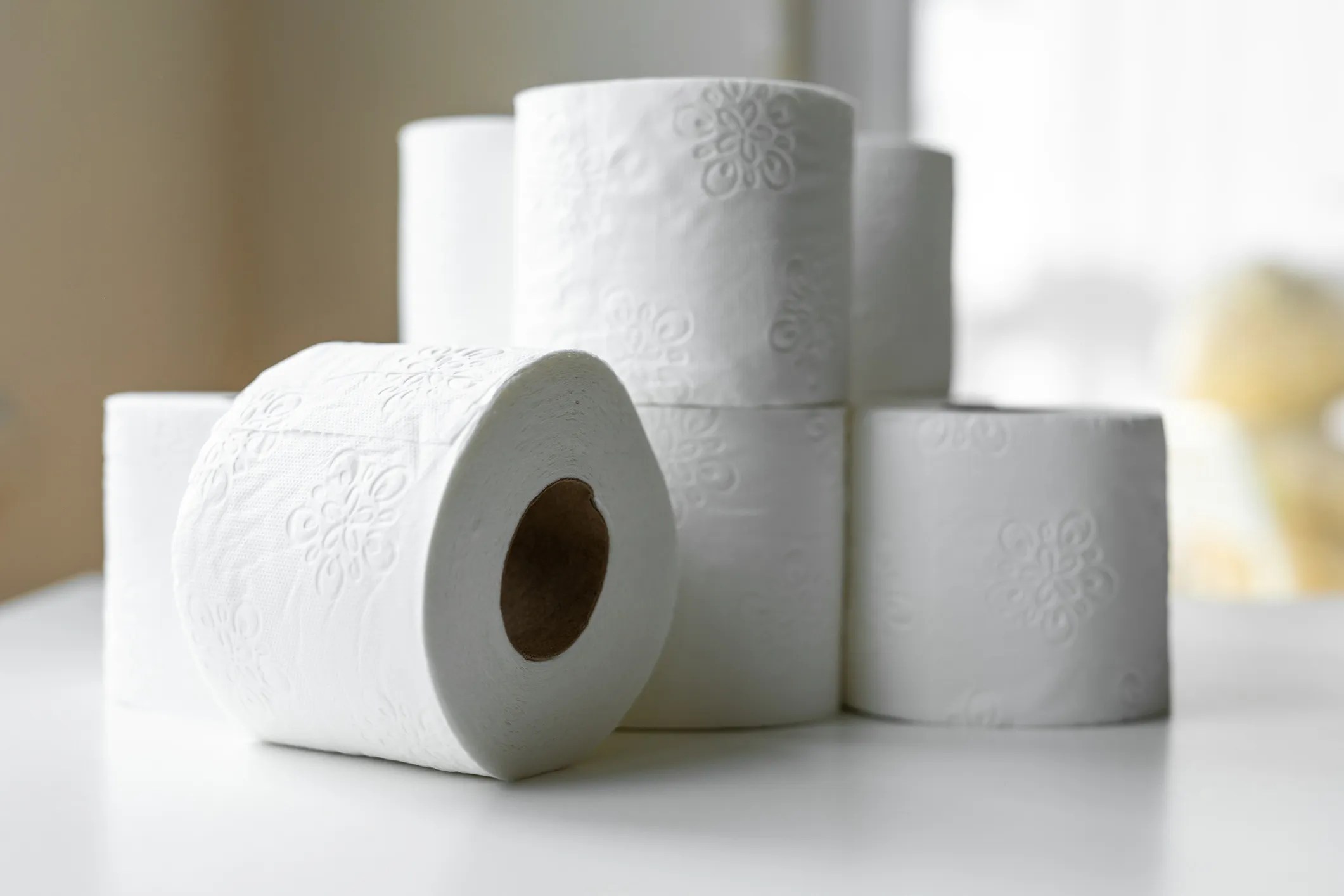
From ancient substitutes like corncobs, moss, shells, hay, sheep’s wool, to high-tech “micro-folded” sheets, absorbent tissue products have evolved from luxury items into global hygiene essentials. Nowadays, a day without tissue is almost unthinkable. Bathroom tissue, paper towels, facial tissue, paper handkerchiefs and table napkins all play a critical role in hygiene, cleanliness and comfort. ISO 12625-1:2019—Tissue paper and tissue products – Part 1: Vocabulary provides a standardized glossary for tissue-related terms.
Evolution of Toilet Paper
The history of tissue paper spans centuries, with early use dating back to ancient China during the Tang Dynasty (618–907 AD), where paper was first crafted for writing and later repurposed for hygiene purposes. In the West, tissue paper’s development began in the 19th century, with the first commercial toilet paper, introduced by Joseph Gayetty in 1857, which was sold as a medicinal paper for personal hygiene. However, it was not until 1871 that the Scott Paper Company revolutionized tissue use by creating the first perforated roll of toilet paper, which made the product more accessible and practical. The transition from sheet-based to roll-based toilet paper marked a significant shift in consumer habits.
The 20th century ushered in innovations that changed the tissue industry forever, with advancements in manufacturing technologies enabling mass production of softer, more absorbent products. By the 1920s, tissue paper had evolved into various forms beyond toilet paper, including facial tissues and paper towels, which became household staples. In more recent decades, there has been a growing focus on sustainability, with manufacturers exploring eco-friendly options such as recycled materials and responsible sourcing.
Today, tissue paper remains a vital part of daily life, offering both comfort and convenience, while the industry continues to innovate, and standards like ISO 12625-1:2019, which defines the specifications for tissue paper products, reflects the industry’s commitment to quality, consistency, and safety in global industry and commerce.
What Is ISO 12625-1:2019?
ISO 12625-1:2019 establishes general principles for the use of terms in the entire working field of tissue paper and tissue products. The current range of these familiar products includes toilet tissue, facial tissue, kitchen/household towels, hand towels, handkerchiefs, table napkins, mats, industrial wipes, other absorbent tissue papers and lotion-treated products
ISO 12625-1:2019 defines terms for the determination of the physical properties of tissue paper manufactured using creping or un-creped techniques; it includes products made using a combination of these tissue-making processes This international standard permits the use of a common terminology in industry and commerce.
It is expressly stated that ISO 15755 applies for the detection of impurities and contraries in tissue paper and tissue products.
For the determination of moisture content in tissue paper and tissue products, ISO 287 applies.
Importance of Tissue Paper Products
Tissue paper is something we often overlook in our daily lives, but it plays a significant role in maintaining hygiene and comfort.
Hygiene and Health
One of the primary reasons tissue paper is so essential is its ability to promote cleanliness. Whether it is facial tissues to wipe away dirt, napkins for meals, or toilet paper for personal hygiene, tissue paper helps reduce the spread of germs, viruses, and bacteria, keeping us safe from infections.
Comfort and Convenience
Tissue paper is designed for softness and absorbency, offering comfort that other materials simply cannot match. From everyday needs like facial tissues to more specific uses like paper towels for quick cleanups, tissue paper adds a level of ease to our busy lives.
Where to Find ISO 12625-1:2019
ISO 12625-1:2019, the vocabulary standard for tissue paper, is used by everyone in the tissue industry, including manufacturers, suppliers, distributors, designers, converters (those who turn raw tissue into products like toilet paper or towels), test labs, and customers (like hospitals, hotels, offices),to assure everyone speaks the same language, understands product specifications, and harmonizes testing methods for items like toilet paper, facial tissue, and kitchen towels.
ISO 12625-1:2019—Tissue paper and tissue products – Part 1: Vocabulary is available on the ANSI Webstore.