ISO 10012:2026—Measurement Management Systems
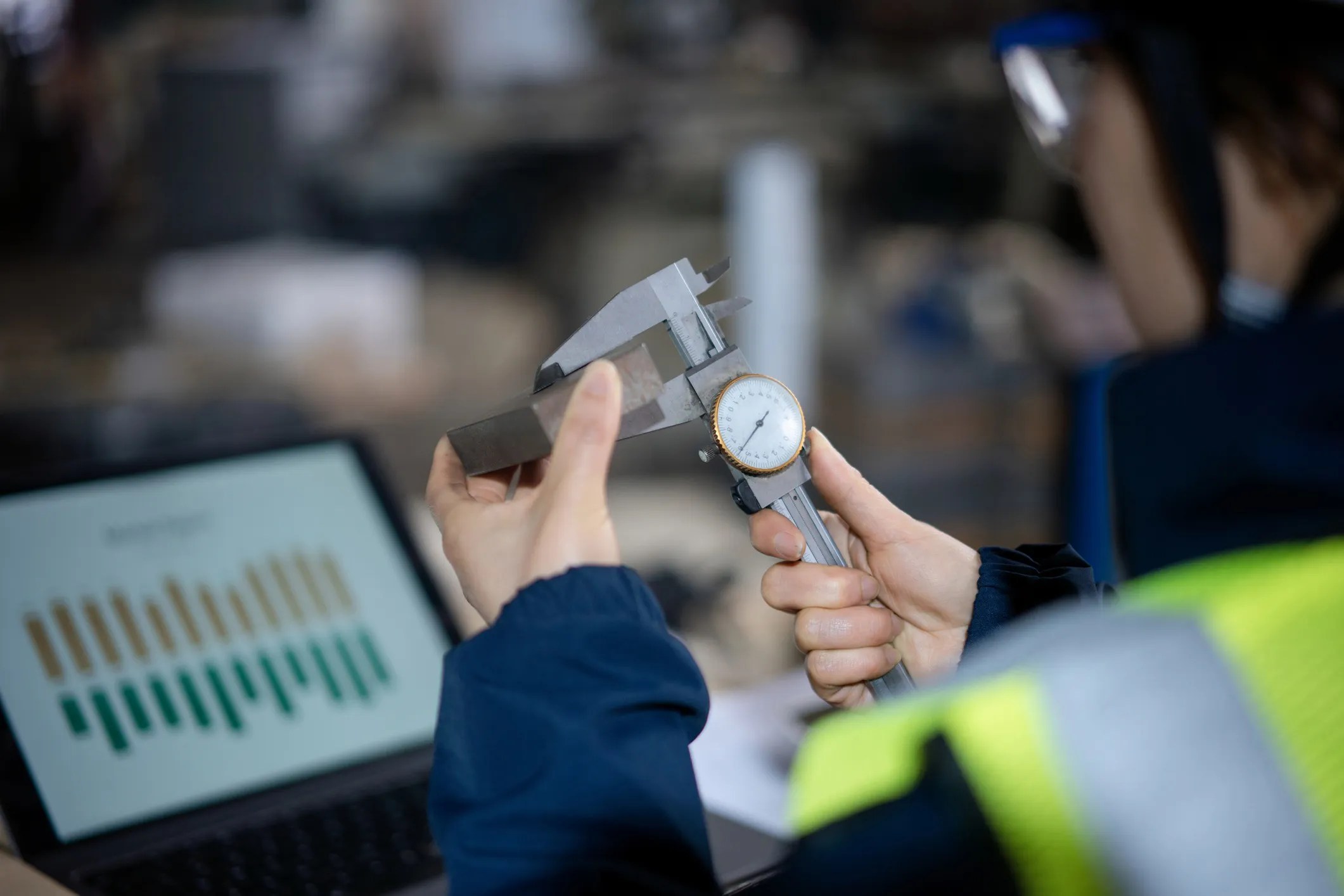
Measurement is the lifeblood of any business operation—every decision, product, and process hinges on its precision. Each measuring instrument, from calipers to high-precision coordinate measuring machines (CMMs), is regularly calibrated and verified, and measurement procedures are meticulously documented and followed. Without a dependable measurement system, even the smallest error can ripple through production lines, leading to inconsistent product quality, frustrated customers, and costly regulatory consequences. ISO 10012:2026—Quality management – Requirements for measurement management systems provides a framework for implementing a measurement management system that assures accurate and reliable measurement processes.
What Is a Measurement Management System?
ISO 10012:2026 defines a ‘measurement management system’ as part of a management system with regard to measurement.
- Management system: a set of interrelated or interacting elements of an organization to establish policies and objectives, as well as processes to achieve those objectives.
- Measurement: a process (i.e., a set of interrelated or interacting activities that uses or transforms inputs to deliver a result) to determine a value.
By controlling equipment, procedures, and operator techniques, a measurement management system manages risks of incorrect measurements that would impact product quality.
Why Adopt a Measurement Management System?
A measurement system assists businesses in monitoring and controlling measurement processes, assuring data accuracy and reliability in their products or services. For example, consider a manufacturing company producing precision-engineered automotive components, where tolerances are measured in micrometers. A deviation as small as 0.02 mm can mean the difference between a perfectly functioning part and premature failure. A slightly misaligned or oversized component may lead to excessive wear, safety risks, or costly recalls. What seems like a minor measurement error on the production floor can quickly escalate into serious quality and compliance issues—making precise, controlled measurement absolutely essential.
By implementing a measurement management system based on ISO 10012:2026, the organization can assure that every measurement taken—whether it is for raw materials, assembly components, or final products—is accurate and consistent.
What Is ISO 10012:2026?
ISO 10012:2026 assists organizations who have or intend to implement a measurement management system, by providing the necessary framework for an organization in designing, maintaining and continually improving a measurement management system. This standard specifies the requirements for a measurement management system when an organization:
- Needs to demonstrate its ability to consistently ensure confidence in validity and reliability of measurement results and thereby to provide a consistent level of measurement quality for an organization’s products and services.
- Aims to rely on reliable and valid measurement results useful to enhance customer satisfaction and effectively apply its measurement management system processes.
- Implements processes for a measurement.
ISO 10012:2026 is not intended to substitute requirements for, or to add requirements to, the general requirements for the competence of testing and calibration laboratories specified in ISO/IEC 17025.
Who Will Benefit by Using ISO 10012:2026?
ISO 10012:2026 benefits manufacturing, engineering, aerospace, defense, healthcare, pharmaceutical, laboratory, and essentially any organization that relies on accurate, traceable measurement data to assure product quality and regulatory compliance. This international standard can be used by any industrial sectors requiring a measurement management system, and it is complementary to the requirements of ISO 9001, ISO 14001 or other management system standards.
ISO 10012:2026 is particularly valuable for quality managers and compliance officers looking to control measurement processes, reduce product defects, and mitigate risks associated with inaccurate measurements is important.
What Are the Changes in the 2026 Revision of ISO 10012
ISO 10012:2026 cancels and replaces the first edition (ISO 10012:2003), which has been technically revised. The main changes are as follows:
- The document has been restructured to follow the harmonized structure for management system standards
- The clauses have been extensively revised in response to the needs of interested parties
This 2026 revision to ISO 10012 aligns with the evolving demands of global markets, making adherence to this standard an essential tool for maintaining competitive advantage.
Where to Find ISO 10012:2026
As industries increasingly prioritize compliance and continuous improvement, ISO 10012:2026 not only supports adherence to global standards but also demonstrates a commitment to quality and innovation, positioning businesses as leaders in their respective fields.
ISO 10012:2026—Quality management – Requirements for measurement management systems is available on the ANSI Webstore.