
History of Soccer: From Ancient Games to Modern Football
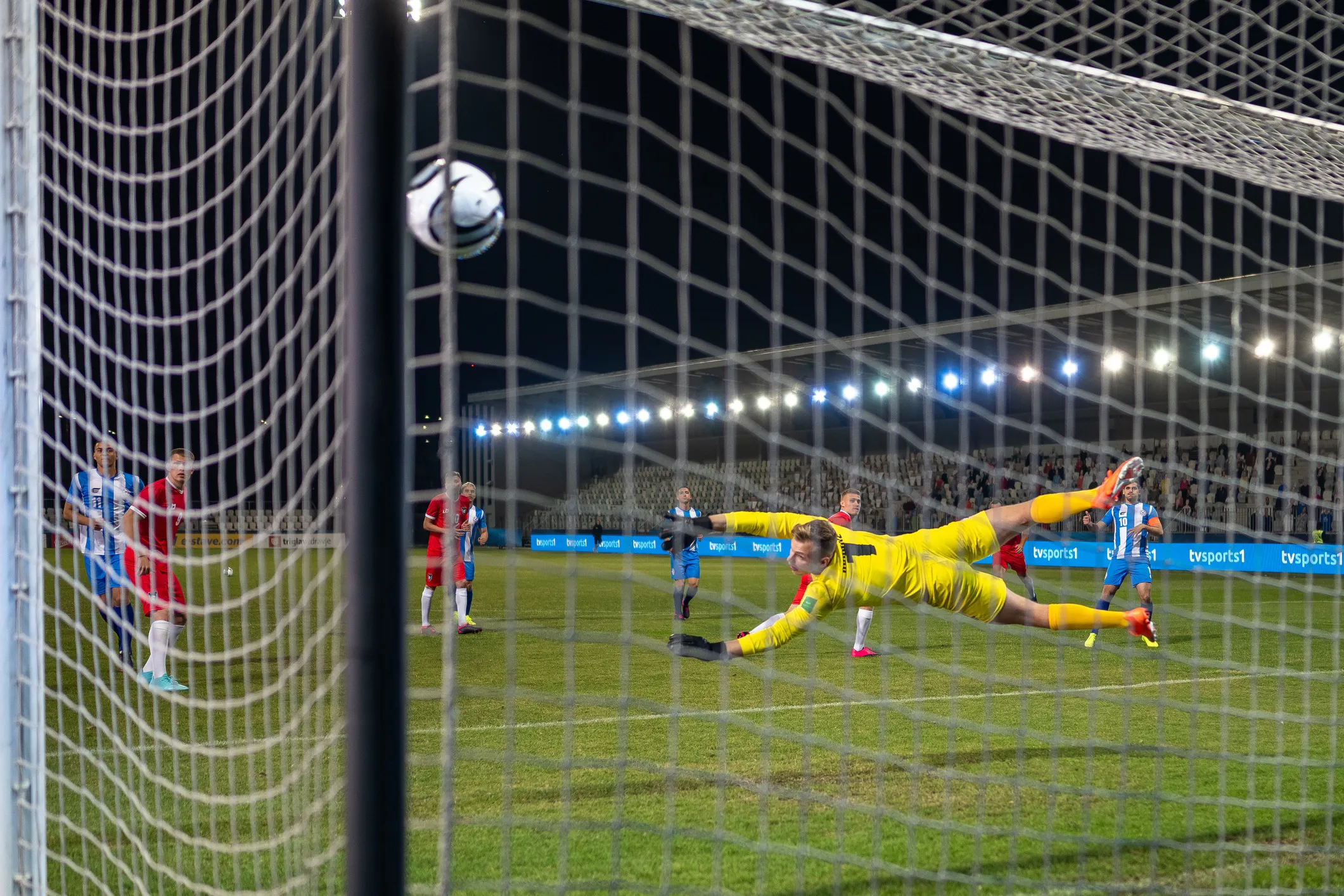
Soccer—called football in most countries—is the world’s most popular sport, played and watched by more than 4 billion people. The history of soccer dates back thousands of years, with early forms of the game appearing in ancient civilizations before modern rules were formalized in the 19th century. Today, the sport is governed globally by organizations such as FIFA and supported by international standards that help assure the safety, performance, and quality of soccer equipment.
Soccer History Timeline
- 3rd–2nd Century BC: Cuju played in China
- 7th Century AD: Kemari played in Japan
- 12th Century: “Mob football” is played in England
- 1409: The term “football” is first documented in England
- Middle Ages: Folk football in Europe
- 1848: The “Cambridge Rules” are established, providing an early standard and distinguishing the game from rugby.
- 1863 – Football Association creates official rules
- 1904: FIFA founded
- 1930: First FIFA World Cup
Ancient Origins of Soccer Around the World
Soccer’s origins stretch back thousands of years. Versions of the game were played in Mesoamerica (Tchatali), ancient China (Cuju), Japan (Kemari), Ancient Greece (Episkyros), and Ancient Rome (Harpastum).
Tchatali: Mesoamerican Ballgame
The first known example of a team game involving a ball, which was made out of a rock, occurred in old Mesoamerican cultures for over 3,000 years ago. It was by the Aztecs called Tchatali—although various versions of the game were spread over large regions. A unique feature of the Mesoamerican ball game versions was a bouncing ball made of rubber—no other early culture had access to rubber.
Cuju: Ancient Chinese Soccer
The first known ball game which also involved kicking took place In China in the 3rd and 2nd century BC under the name cuju. It was played with a round ball (stitched leather with fur or feathers inside) on an area of a square.
Kemari: Japan’s Traditional Ball Game
A modified form of cuju spread to Japan and was called kemari, which focused on players cooperatively keeping a deer-skin ball in the air using only their feet and legs, emphasizing skill, grace, and teamwork over winning
Episkyros: Early Greek Ball Game
A version of soccer called Episkyros included a ball made from shreds of leather filled with hair (the first documents of balls filled with air are from the 7th century). In its earliest form, the game featured two twelve-or-fourteen-player teams handling one ball with either their hands or their feet. The goal of the game was simple: get the ball past a white goal line (known as the skuros) that the opposing team is working to defend. Episkyros represented a fun competition that served as a great distraction for everyone in Sparta, especially spartan warriors.
Harpastum: The Roman Ball Game
Games with balls were not included in the entertainment on the big arenas (amphitheaters), but occurred in exercises in the military by the name of Harpastum (a variation of episkyros) that emphasized physical contact and the goal of keeping possession of a small, hard ball on one’s own side of the field.
Soccer Starts Taking Form in England
Historians believe soccer developed in England in the 12th century. Back then, the game was played in the streets and players could use their hands and feet to move the ball. Hundreds of people took part and the games could last all day. Historians say these early games were so rough and violent, players sometimes died during competition.
Eventually the game was banned by King Edward III in 1365 because it distracted soldiers from preparing for war; similarly, King James I in 1424 banned soccer because it was a violent, disruptive sport that was interfering with mandatory archery practice for the defense of the kingdom.
History of Modern Soccer
The Formation of Association Football
Modern soccer as we know it emerged in 19th-century England, when public schools and universities codified rules to distinguish “association football” from rugby. The Football Association (FA) was founded in 1863, and the rules they established became known as: “association football” (to distinguish it from rugby football).
Why the Sport Is Called “Soccer”
Eventually, association football became known as “soccer” because Oxford University students had a trend of shortening words and adding “-er” to the end, which gave rise to slang like “rugger” (rugby) and “soccer” (association football from “assoc.” + -er). So, “soccer“ is a shortened and slangified version of “association“.
Why Do Americans Call It Soccer?
You may be wondering why Americans call it “soccer” and other countries like Britain call the sport “football.” The answer is because by the mid-20th century, Brits largely stopped using the word “soccer” and stuck with “football” to refer to the association version, and as the U.S. continued to use “soccer,” the term became increasingly associated with American English. Today, many in the UK consider “soccer” to be an “Americanism” — even though it was coined in England.
The First Organized Soccer Competitions
In 1869, FA included in their rules a provision that forbade any handling of the ball—establishing the foundation on which modern soccer stands. The reception of a typical arrangement of rules brought forth alliances, rivalries between various nations, and competitions, for example, the F.A. Cup, which started in 1871.
Global Expansion of Soccer
By 1904, FIFA (Fédération Internationale de Football Association) was established to govern the international game. FIFA incorporated various European nations (France, Belgium, Denmark, Sweden, Spain, the Netherlands, and Switzerland) into establishing individuals. All home nations (England, Scotland, Ireland, and Wales) were admitted as members by 1911. By 1930, the primary FIFA World Cup was played and facilitated by Uruguay, which won Olympic soccer gold awards in 1924 and 1928.
As soccer grew into a global phenomenon, the need for consistency—not just in rules, but in equipment—became critical.

Soccer Equipment and International Standards
While FIFA sets the rules of the game, it does not define the manufacturing details of the ball, turf, goals, or player equipment. That is where standards organizations come in, providing detailed technical specifications that assure safety, quality, performance, and interoperability. Here is how key standards contribute to setting specifications for soccer:
- ISO 9001 – While not soccer-specific, this quality management standard is widely used by manufacturers of soccer balls, goals, and turf systems to ensure consistent production and customer satisfaction.
- ISO 17025 – Used by testing labs that evaluate sports equipment to assure calibration and accuracy of their testing methods.
- ISO 9237 – Applies to the air permeability of textile fabrics—relevant for soccer jerseys and breathable athletic wear.
- ASTM F1938 – Standard test method for shock-absorbing properties of athletic shoe cushioning systems, impacting soccer cleats.
- ASTM F2772 – Standard for indoor sports flooring, assuring consistent bounce and player safety for indoor soccer.
- ASTM F803 – Eye protection standards used in soccer for youth leagues or players with prescription eyewear.
- ASTM F2950 – specifies safety and performance requirements aimed at providing safer soccer goals and thereby reducing injuries and fatalities. ASTM F2950-14(2021): Soccer Goals discusses this standard in more detail.
- EN 748 – Specifies requirements for football goals, including strength, dimensions, and anchoring systems.
- EN 14904 – Sports flooring for indoor use, relevant for futsal and training facilities.
- EN ISO 20345 – Covers safety footwear but sometimes overlaps in sports settings requiring toe protection.
Why Standards Matter in Soccer
As soccer becomes more data-driven and performance-focused, standards enable:
- Interoperability – Players in different countries can expect similar ball behavior, goal sizes, and field conditions
- Safety – Assures equipment like cleats and goalposts are manufactured to minimize injury risks
- Performance testing – Balls and surfaces can be tested for rebound, friction, or durability with globally recognized methods.
- Fairness – Eliminates advantages due to equipment variability in international play
The Future: Sustainability and Smart Standards for Soccer
As the world looks toward a more sustainable future, the role of standards in soccer may expand to include:
- ISO 14001 – Environmental management standards may guide stadium operations and equipment manufacturing.
- Circular economy standards like ISO 59004 – Help manufacturers recycle materials like rubber from artificial turf or polymer composites from cleats.
- Smart textiles – Standards are emerging for wearables and sensor-integrated clothing used in training and performance analysis.
From ancient games like cuju to the modern global sport governed by FIFA, soccer has evolved dramatically. Today, international standards help ensure the safety, performance, and quality of soccer equipment and facilities—demonstrating how standardization continues to support the world’s most popular game.






hi nice information thanks alot guys