


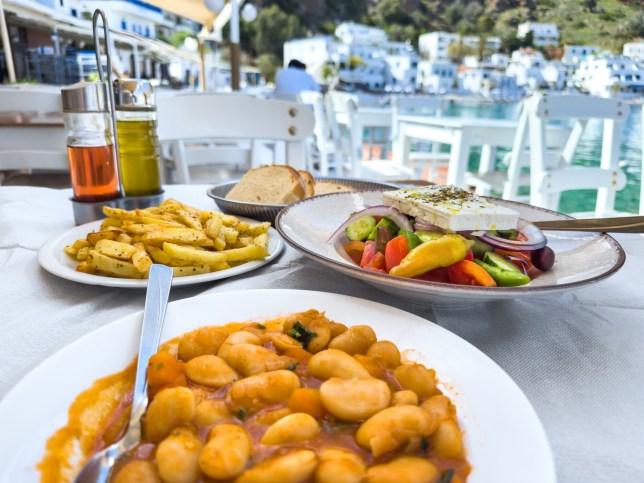
Walk into a café in the historic city Lyon, France and you might find a leisurely two-hour lunch of roasted vegetables, whole-grain bread, a modest glass of wine, and local cheese. Walk into a fast-food strip in suburban Ohio and you are more likely to encounter a supersized combo ultra-processed meal paired with a large soda. When comparing the European diet and the Standard American Diet (SAD), it is important to note that it is not just a matter of willpower or culture. It is also about the food systems, regulatory frameworks, and international food safety standards like ISO 22000 that play a quintessential role in shaping what ends up on our plates.
European Diet vs. the Standard American Diet (SAD)
While no single diet represents all of Europe or the United States, broad differences in eating habits, food processing, and nutritional quality provide valuable insight into why many health experts consider European dietary patterns to be healthier overall.
Understanding the Standard American Diet (SAD)
The Standard American Diet (SAD) is often characterized by high consumption of ultra-processed foods, refined carbohydrates, added sugars, saturated fats, and sodium. Fast food, sugary beverages, packaged snacks, and convenience meals make up a significant portion of many Americans’ daily caloric intake.
60% of foods purchased by Americans contain technical food additives including coloring or flavoring agents, preservatives, and sweeteners. This may warrant concern as artificial food additives are increasingly linked to chronic health risks like cardiovascular disease, hormone disruption, and hyperactivity in children. Furthermore, According to the U.S. Centers for Disease Control and Prevention (CDC), approximately 42% of American adults 20 and over are affected by obesity, a condition associated with increased risks of heart disease, type 2 diabetes, stroke, and certain cancers. Researchers have linked many of these health concerns to dietary patterns that emphasize calorie-dense but nutrient-poor foods.
Characteristics of SAD
Research from Northeastern University confirms that 73% of the U.S. food supply is ultra-processed; these foods account for nearly 60% of the average American’s total calorie intake.Hence, common characteristics of the Standard American Diet (SAD) include:
- High intake of processed and packaged foods
- Frequent consumption of sugary drinks
- Large portion sizes
- Lower consumption of fruits, vegetables, and whole grains
- Higher levels of added sugar and sodium
These common characteristics in the SAD show that this diet does not include enough fruit, vegetables, or other fiber-rich foods.


What Defines a Typical European Diet?
Europe encompasses dozens of countries with unique culinary traditions, making it difficult to define a single “European diet.” However, many European dietary patterns share common traits that emphasize fresh ingredients, balanced meals, and moderation. Countries bordering the Mediterranean Sea, including Italy, Greece, and Spain, are particularly known for dietary habits associated with positive health outcomes. These diets often feature:
- Fresh fruits and vegetables
- Whole grains and legumes
- Olive oil as a primary fat source
- Moderate consumption of fish and poultry
- Limited intake of highly processed foods
- Smaller portion sizes
- Greater emphasis on home-cooked meals
In many European countries, food is viewed not merely as fuel but as an important cultural and social experience. Meals are often consumed more slowly and shared with family or friends, which may contribute to healthier eating behaviors and improved digestion.
Nutritional Differences Between the Two Diets
Several key nutritional distinctions help explain why European dietary patterns are frequently associated with better health outcomes.
More Whole Foods, Fewer Processed Ingredients
Many European diets rely heavily on minimally processed foods. Fresh produce, meats, dairy products, and breads often contain fewer additives and preservatives than their American counterparts.
Lower Added Sugar Consumption
Americans consume about 17 to 22 teaspoons of added sugar daily, vastly exceeding health guidelines. Sugary beverages, desserts, and processed snacks contribute to excess caloric intake without providing substantial nutritional value.
European consumers generally consume fewer sweetened beverages and often prioritize water, coffee, or tea with meals.
Healthier Fat Sources
While fat consumption varies across regions, many European diets incorporate unsaturated fats from olive oil, nuts, seeds, and fish. These fats have been associated with improved cardiovascular health compared to diets high in saturated and trans fats.
Portion Control
Portion sizes in many European countries tend to be smaller than those commonly served in the United States. In fact, food portion sizes in many European countries are noticeably smaller—often around 25% to 33% smaller—than those commonly served in restaurants and supermarkets across the United States. Smaller portions can help regulate calorie intake and reduce the risk of overeating.
Health Outcomes and Longevity
Europeans generally live longer than Americans, and on average, Europeans outlive Americans by about 3 to 5 years. Researchers often attribute this longer life expectancy in Europe to a combination of healthcare access, physical activity, social factors, healthier dietary patterns, and stricter food safety regulations.
The Role of Food Quality and Safety
While nutritional content is critical, food quality and safety are equally important components of a healthy food system. Consumers increasingly expect food products to be not only nutritious but also safe, traceable, and consistently produced. This is where internationally recognized food safety management systems have become essential.
How ISO 22000 Supports Safer Food Worldwide
Whether food is produced in Europe, North America, or elsewhere, maintaining consumer confidence requires rigorous controls throughout the food supply chain. ISO 22000, the internationally recognized Food Safety Management System (FSMS) standard, helps organizations identify, prevent, and control food safety hazards from farm to fork.
ISO 22000 integrates Hazard Analysis and Critical Control Point (HACCP) principles with a comprehensive management system approach, enabling food manufacturers, processors, distributors, and retailers to systematically manage food safety risks.
As consumers continue to prioritize healthier eating habits, organizations throughout the food industry face increasing pressure to demonstrate both nutritional responsibility and food safety excellence.
Where to Find ISO 22000
ISO 22000:2018 Food safety management systems – Requirements for any organization in the food chain is available on the ANSI Webstore and in the Standards Packages:
- ISO 22000 / ISO 22002-1 – Food Safety Bundle
- ISO 22000 / ISO/TS 22002-1 – Food Safety Bundle
- ISO 22000 Food Safety Management Systems Package
You can also learn more about ISO 22000 in our blog posts:
- How ISO 22000 Improves U.S. Food Safety
- Changes to ISO 22000:2018 – Food Safety Management Systems (FSMS) Requirements
- Health Risks of Ultra-Processed Foods & Food Safety
- How ISO 22000 Helps Assure a Safe Thanksgiving Feast
- Sourdough Bread: History, Revival & ISO Safety Standards
- Food Safety of Ice Cream Stabilizers and Emulsifiers
- Differences between European and American Food Standards
- ISO Standards Assure Safe, Quality Super Bowl Snacks
- ISO 22000-1:2025—Prerequisites Programs on Food Safety