ASTM E2921-22: Whole Building Life Cycle Assessments
Architects are increasingly interested in reducing the environmental impact of the buildings they design. Life Cycle Assessment (LCA) helps answer questions that arise during the…

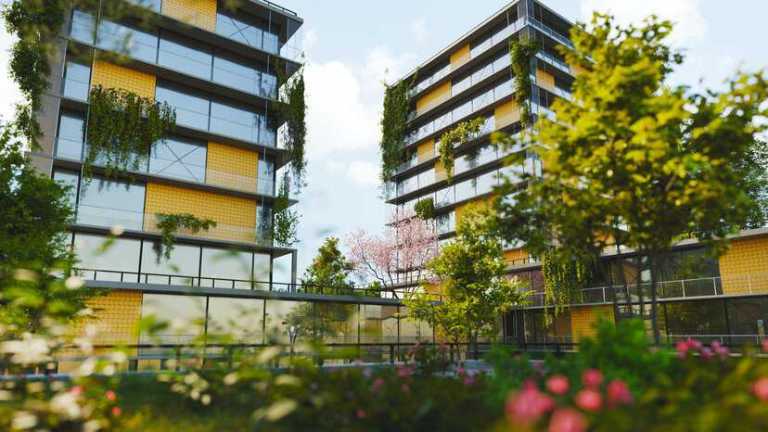
Architects are increasingly interested in reducing the environmental impact of the buildings they design. Life Cycle Assessment (LCA) helps answer questions that arise during the…

The modern American beach holiday was invented in Britain in the late 18th century largely due to medical prescriptions at the time. Many contemporary doctors…

An Environmental Management System (EMS) is a framework that helps an organization achieve its individual environmental goals through consistent review, evaluation, and improvement of its environmental…
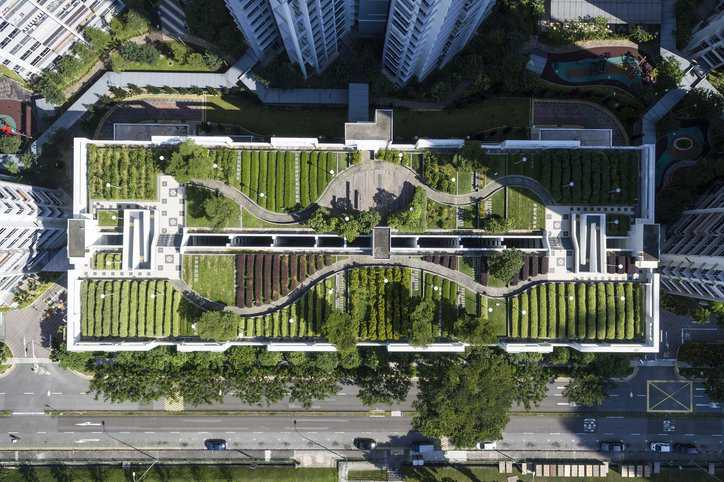
Globally, buildings and construction are responsible for much of our energy and resource use: 60% of electricity use, 12% of water use, and 40% material…
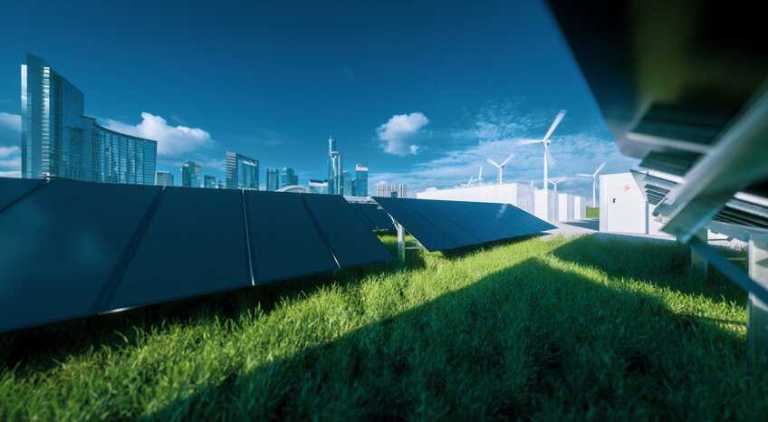
Prior to the Industrial Revolution, CO2 levels were consistently around 280 ppm (parts per million) for almost 6,000 years of human civilization. Since then, humans have…

Emergencies, disasters, or crises disrupt normal conditions, expose system fragilities, and have impacts that can cause widespread suffering. Consequently, there is a dire need for…
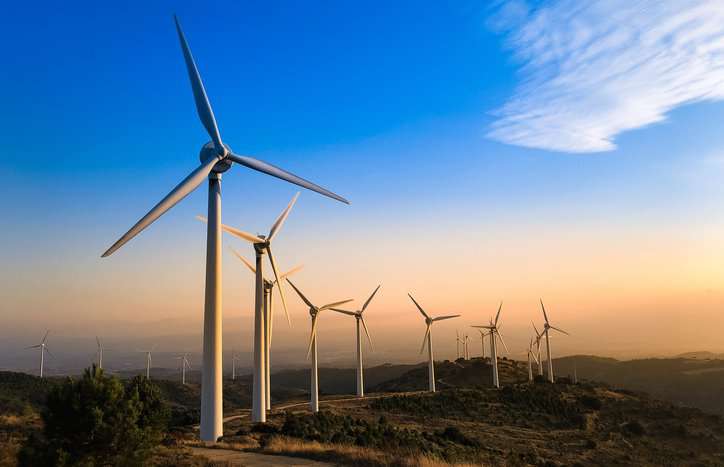
By mid-2022, in the United States alone, the installed wind capacity totaled 139,145 megawatts. But wind power accomplishments are found throughout the globe. The tallest…
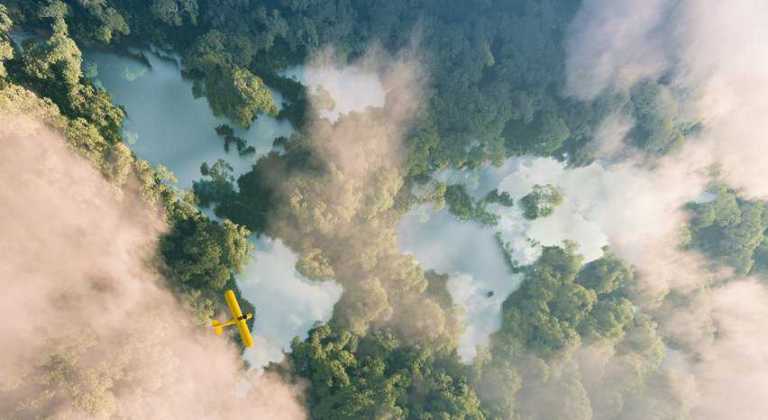
A vast majority of travelers look for sustainable options when traveling. According to three different studies, 96% of travelers, 90% of consumers, and 87% of…

More than 80% of the global GDP is generated in cities. This means urbanization, if managed well, can contribute to sustainable growth through increased productivity,…