2024 International Mechanical Code (ICC IMC-2024)
The International Mechanical Code (IMC) is in use or adopted in 46 US states, the District of Columbia, New York City, Guam, Puerto Rico, and…
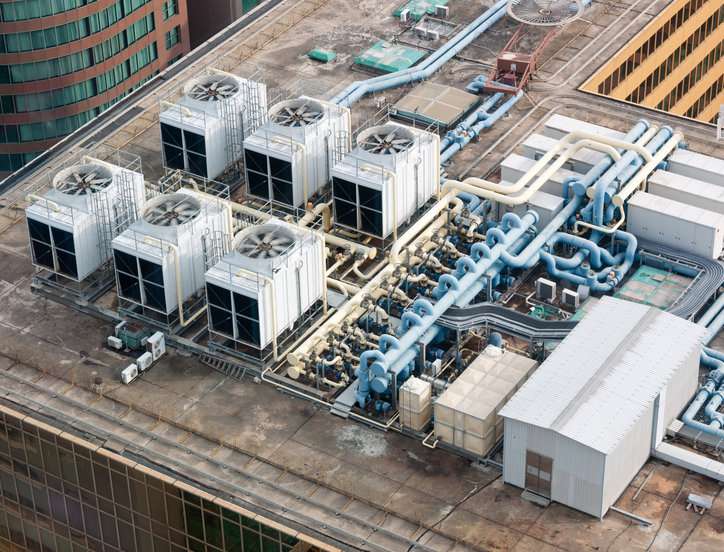
The International Mechanical Code (IMC) is in use or adopted in 46 US states, the District of Columbia, New York City, Guam, Puerto Rico, and…

US households need energy to power numerous home devices and equipment, and as such, the residential sector accounts for 21% of total US consumption. ISO…
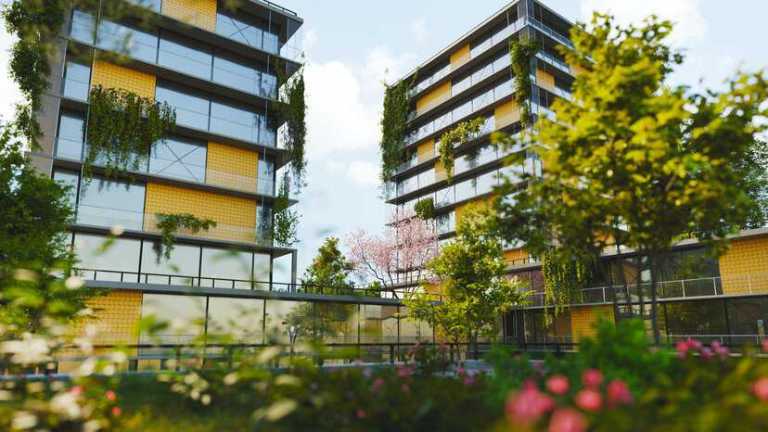
Architects are increasingly interested in reducing the environmental impact of the buildings they design. Life Cycle Assessment (LCA) helps answer questions that arise during the…
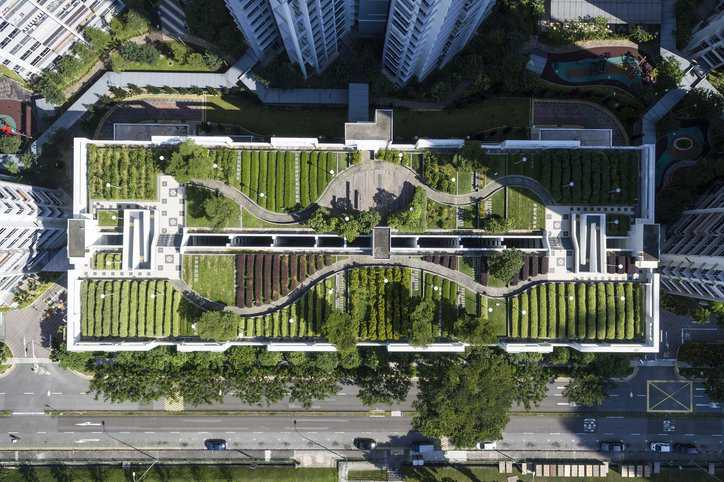
Globally, buildings and construction are responsible for much of our energy and resource use: 60% of electricity use, 12% of water use, and 40% material…
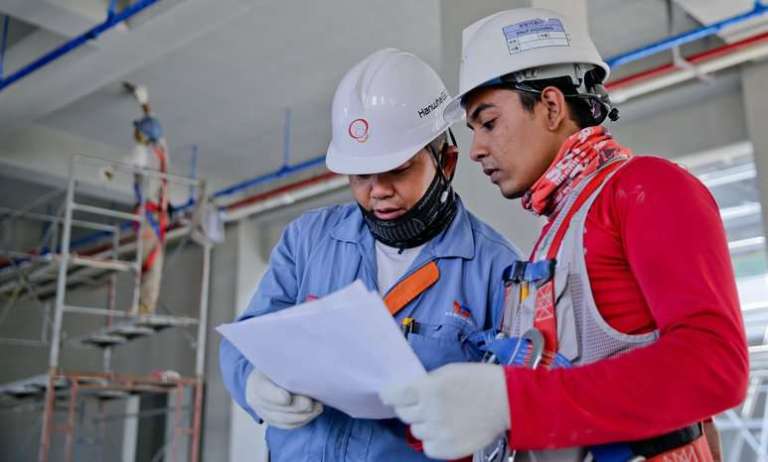
Sustainability is a crucial consideration in the construction industry. There are two main metrics for measuring a building’s sustainability: embodied carbon and energy efficiency. But…
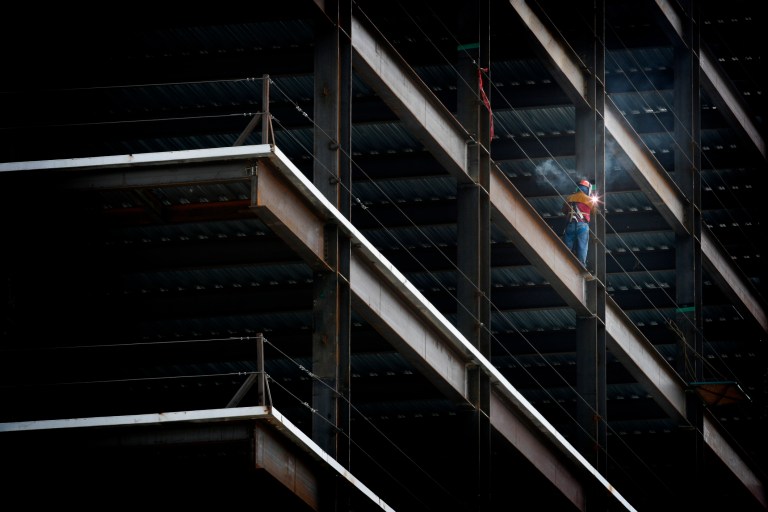
Among the many considerations for ensuring effective building design and construction, there are loads, or forces or other actions that result from the weight of…
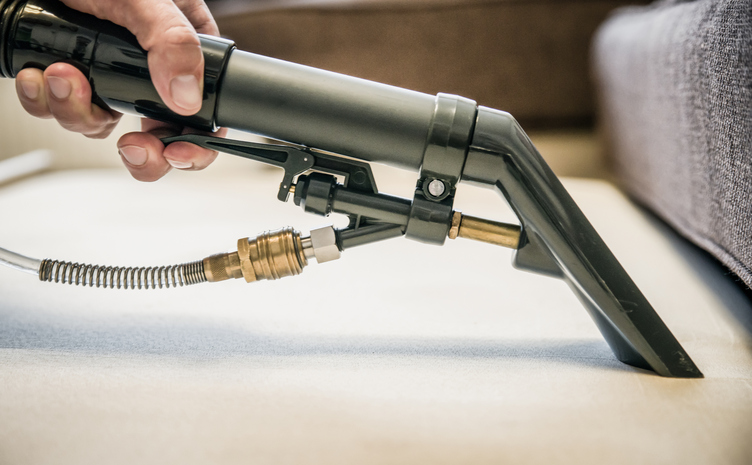
IICRC, as an ANSI-accredited standards developing organization, has a specific focus, and its activities enhance the safety and efficiency of the industry it serves. The…
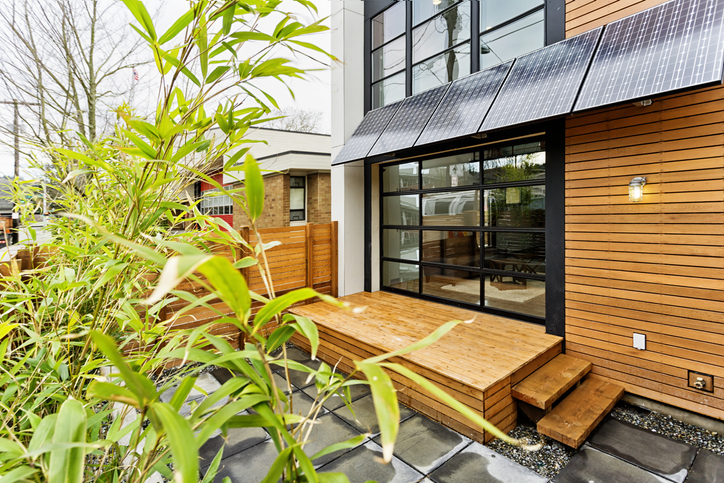
In our solar system, energy begins with the sun. The core’s extreme pressure—250 billion atmospheres—and temperature—15.7 billion kelvin—drives fusion, resulting in a decrease in mass…

A building is like an organism, with distinct systems and intricacies aligned in overarching purpose to assure efficiency, comfort, and even safety for the many…