ASTM F3731-24: Wall Mounted Basketball Backstops
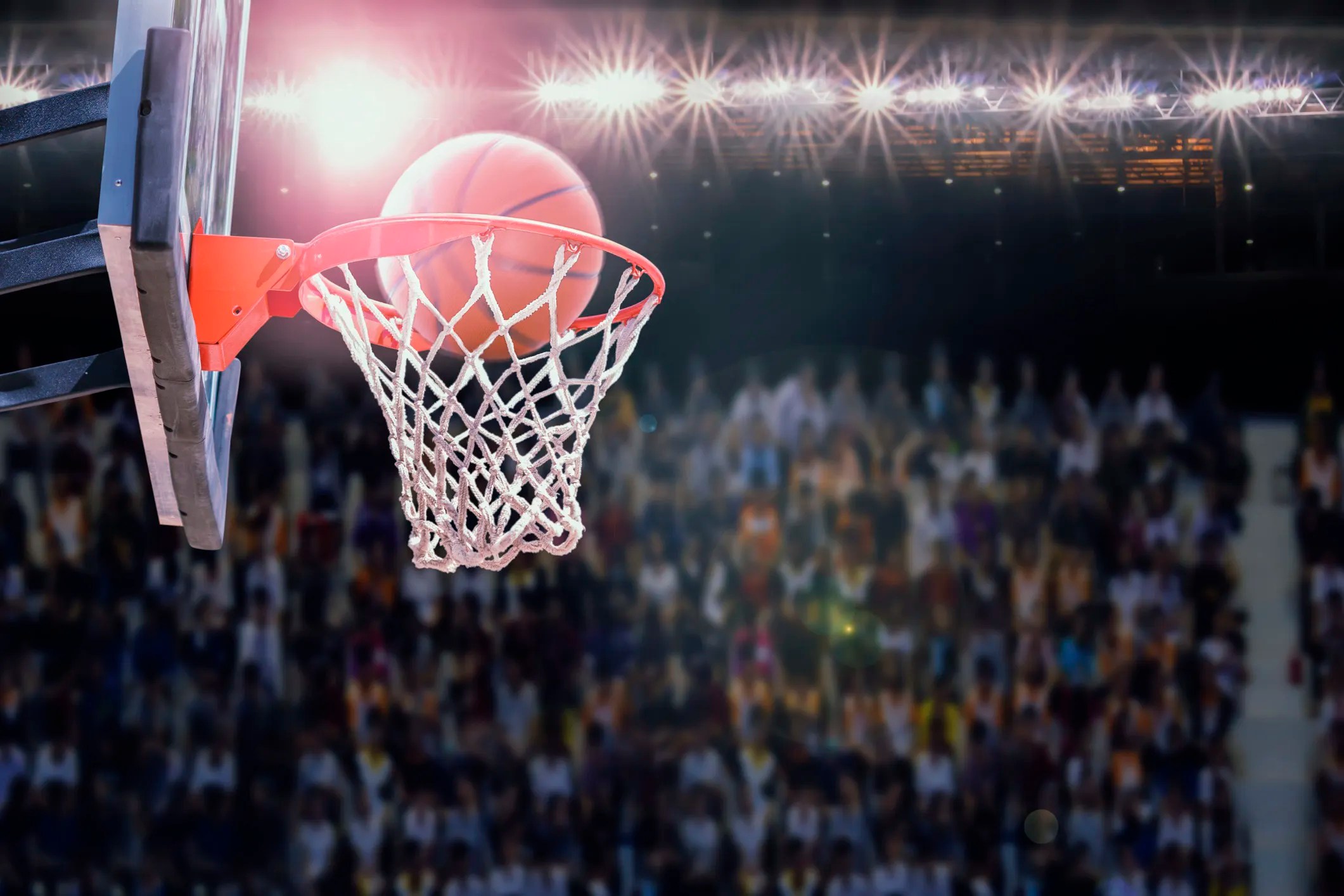
Whether you are designing a gym for a school, university, recreational center, or community facility, one thing remains constant: the importance of high-quality basketball backstops and hoop systems. The right mounted backstop not only elevates the players’ experience but also assures a safe, functional, and durable gym environment. ASTM F3731-24: Standard Guide for Ceiling Suspended and Wall Mounted Basketball Backstops provides guidance for safe installation and performance of permanent basketball backstops.
What Are Basketball Backstops?
ASTM F3731-24 defines a “basketball backstop” as a complete basketball system consisting of a rigid structure, basketball backboard, basketball goal, lifting system (if folding), goal height adjustment mechanism (if present) and other accessory items. They are considered permanently installed systems and attached to a building ceiling, floor, or wall, or a combination thereof.
Backstops are essential for assuring the performance and safety of basketball. These large and heavy structures, which can weigh thousands of pounds, are suspended above the court and can pose a serious risk if not properly secured. To reduce hazards from mechanical failure in gymnasiums, ASTM F3731-24 covers safety guidelines for basketball backstops.
What Is ASTM F3731-24?
ASTM F3731-24 provides guidance for the design, manufacturing and safety requirements for ceiling suspended and wall mounted backstops. Ceiling suspended and wall mounted backstops include both stationary and retractable equipment that is permanently installed.
ASTM F3731-24 acts as a guide for designers, manufacturers, and owners/operators to enhance safety and performance. This guide is intended to reduce the potential hazards resulting from a mechanical failure of a ceiling suspended or wall mounted backstop component.
Evolution of the Basketball Hoop: From Peach Baskets to Modern Rims and Backboards
James Naismith, the inventor of basketball, initially used a peach basket nailed to a gym balcony as the first basketball hoop. The basket had a bottom, requiring someone to climb a ladder to retrieve the ball after each shot. Eventually, the bottom was removed to allow the ball to fall through, which made the game smoother.
As basketball grew in popularity, the peach baskets were replaced with metal rims and nets, providing a more reliable target. Around 1906, backboards were introduced, enabling more shooting techniques like bank shots and layups, further enhancing the game’s playability.
Over time, basketball courts and equipment have become more standardized and specialized, ranging from professional arenas to residential spaces. Key types of modern basketball backstops include portable units for flexible, non-permanent setups, wall-mounted systems that save floor space (including folding options), and ceiling-mounted hoops ideal for large, multi-use, or high-ceiling venues—each offering flexibility for different spaces.
Why Basketball Backstops Are Essential for Safety, Performance, and Durability
Key reasons why basketball backstops are essential include:
- Player Safety: Backstops are engineered to withstand intense, high-impact play, such as dunks, preventing injuries. Safety features like backboard padding and, in suspended systems, safety straps prevent accidents, including potential structural collapses.
- Performance & Consistency: The backboard material (e.g., tempered glass) assures a consistent, professional-grade “bounce” for rebounds, which is vital for competitive play.
- Game Functionality: They provide the necessary, stable target for shooting and rebounding. The structure, including the rim, must be properly supported to handle the force of the game.
- Facility Flexibility: Modern ceiling-mounted backstops can be retracted, allowing gymnasiums to quickly transition between basketball and other sports.
- Durability: Regular maintenance of these heavy, often thousands-of-pounds-structures, ensures they remain safe, functional, and long-lasting.
Basketball backstops are vital for maintaining both safety and performance on the court, with some systems designed to support up to 2,000 pounds of pressure, assuring they stand up to the intense demands of high-level play and remain an essential part of gymnasium functionality for years to come.
Where to Find ASTM F3731-24
ASTM F3731-24: Standard Guide for Ceiling Suspended and Wall Mounted Basketball Backstops is available on the ANSI Webstore.
You can discover more about the history of basketball and ASTM standards related to basketball in our blog post: History of Basketball & Key Safety Standards for Equipment.