ASTM E2777-20: Vegetative (Green) Roof Systems
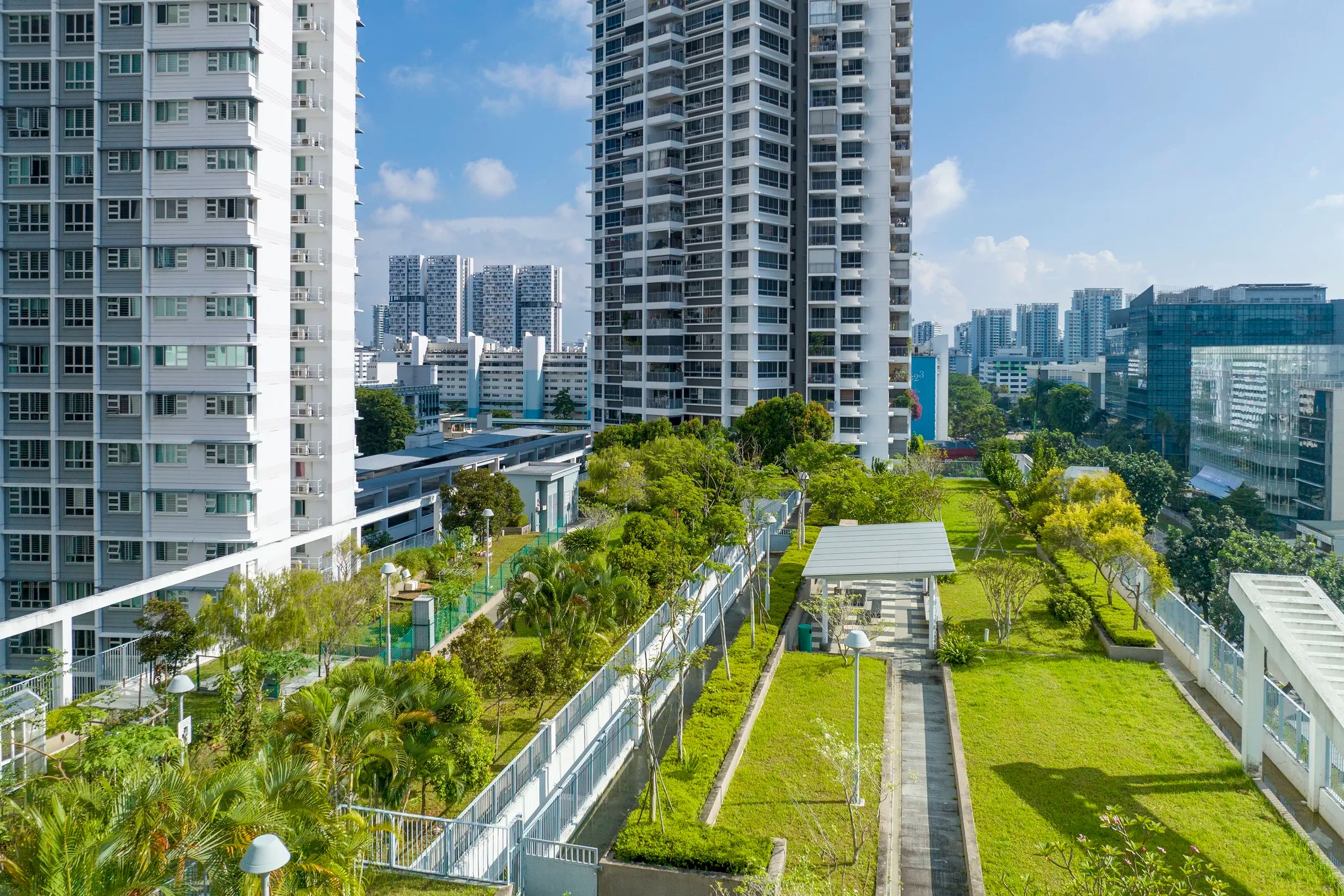
Glass buildings reflect intense sunlight while concrete stretches endlessly across the skyline; yet, above one structure, a living green meadow sways gently in the wind. Bees drift between wildflowers, rainfall can be absorbed into a living sponge-like system, and the roof itself functions like a forest floor, actively breathing and regulating moisture. These green roof systems are guided by ASTM E2777-20: Standard Guide for Vegetative (Green) Roof Systems, which establishes a consistent framework for their design, construction, and performance in modern urban environments.
What Is a Green Roof?
Green roofs are vegetated systems installed on top of human-made structures, featuring waterproofing, drainage, and growing medium layers. They manage stormwater, reduce urban heat islands, improve air quality, and extend roof lifespan by protecting against UV radiation.
Key Environmental and Energy Benefits of Green Roof Systems
Green roofs have various benefits including:
- Reducing building energy cooling loads by up to 50%–99%
- Cutting stormwater runoff by 60%–100%
- More than doubling the lifespan of conventional roofs (as they can last 40+ years)
- Reducing city temperatures by 1°C
- Providing 15-25% in summer energy savings.
What Is ASTM E2777-20?
ASTM E2777-20 identifies terminology, principles, and fundamental concepts including those related to sustainability, technical requirements of construction, and types of vegetative (green) roof systems (for roofs up to 15% slope) used on buildings. This standard document discusses technical requirements for vegetative (green) roof systems pertaining to the following categories:
- Plants
- Media
- Wind scour resistance
- Soil reinforcement
- Separation or filter layers
- Drain layers
- Water retention layers
- Protection layers
- Root penetration barriers
Users of ASTM E2777-20 include the following: planners, developers, architects, landscape architects, engineers, general contractors, subcontractors, owners, facility managers, financial organizations related to building industry, building materials and product manufacturers, government agencies including building officials, and other building professionals.
Roofing/ waterproofing membranes and insulation are key components of vegetative (green) roof systems, but technical requirements regarding their role in such roof systems is beyond the scope of this guide.
Importance of Green Roofs for Sustainability
To understand the role green roofs play in sustainability, it is important to first examine the specific environmental pressures affecting urban areas—such as rising temperatures, increased stormwater runoff, and high building energy demand—and then look at how green roof systems are engineered to address these challenges.
Rising Urban Temperatures and Environmental Pressure
Modern cities are experiencing rising temperatures due to the urban heat island effect, where built-up areas can be 1–7°F warmer than surrounding rural regions. This temperature increase intensifies energy demand, particularly the energy used for cooling, and contributes to poorer urban air quality and heat stress.
At the same time, urban infrastructure is under growing pressure from extreme weather events. Stormwater runoff from rooftops can account for up to 50% of urban drainage loads in dense cities, overwhelming drainage systems and increasing flood risk. Compounding these challenges, buildings are responsible for roughly 40% of global energy consumption, making the built environment a central focus in sustainability efforts.
How Green Roofs Address Energy, Water, and Climate Challenges
Green roofs offer a multifunctional solution to these interconnected issues. By replacing conventional roofing materials with vegetated systems, green roofs help lower rooftop surface temperatures, which reduces heat transfer into buildings and decreases reliance on air conditioning. This can translate into significant energy savings while also improving indoor thermal comfort. The layered structure of a green roof acts like a natural sponge, absorbing and retaining rainfall, which slows runoff, reduces peak stormwater flow, and lessens the burden on municipal drainage systems. In addition, vegetation on rooftops contributes to air purification by filtering particulates and absorbing carbon dioxide, while also supporting urban biodiversity by creating habitats for pollinators and birds.
ASTM E2777-20 plays a critical role in assuring these sustainability benefits are consistently achieved.
Where to Find ASTM E2777-20
ASTM E2777-20: Standard Guide for Vegetative (Green) Roof Systems is available on the ANSI Webstore.