
ASA/ANSI S1.8-2016 (R2025): Acoustic Reference Values
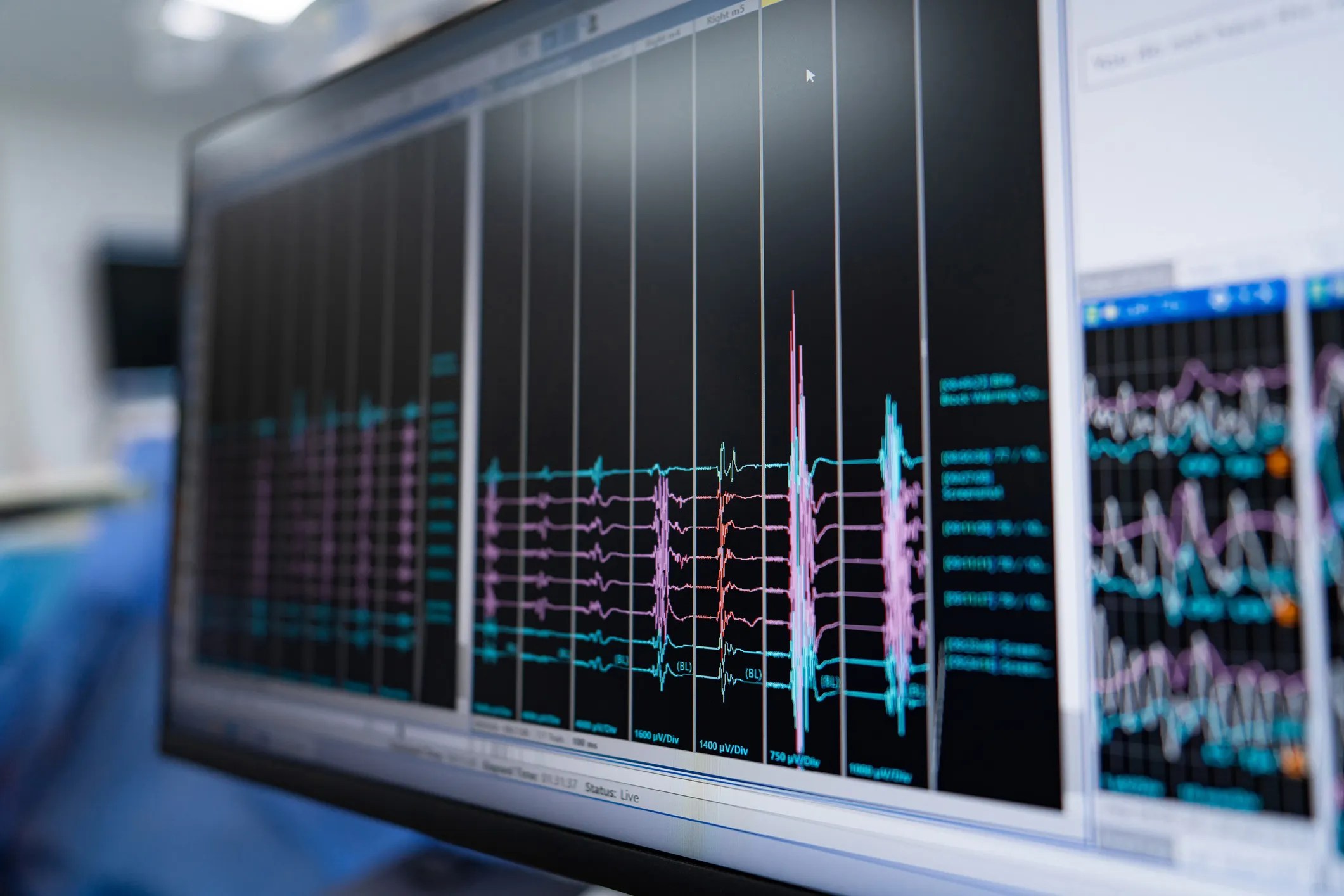
Accurate measurement of sound and vibration depends on clearly defined reference values that assure consistency across scientific and engineering applications. ASA/ANSI S1.8-2016 (R2025): Reference Values for Levels Used in Acoustics and Vibrations provides certain reference values for acoustical and vibratory levels. By establishing standardized reference quantities for sound pressure and vibration metrics, this American National Standard supports repeatable measurements across disciplines, such as noise control engineering, structural dynamics, and audio system calibration.
Why Reference Values in Acoustics Matter
When engineers measure noise—whether it is a jet engine, a whisper in a recording booth, or vibration in a bridge—they need a common baseline. Reference values in acoustics provide a fixed baseline for measuring sound, turning arbitrary, enormous pressure ranges into manageable, comparable decibel (dB) numbers.
Without these common baselines, decibel measurements would be subjective and have no standardized meaning, making it impossible to compare noise levels between different locations, studies, or industries. ASA/ANSI S1.8-2016 (R2025) defines those baseline reference values used in acoustics and vibration analysis.
What Is ASA/ANSI S1.8-2016 (R2025)?
ASA/ANSI S1.8-2016 (R2025) includes reference values for commonly used levels in acoustics, electroacoustics, and mechanical vibrations. The use of levels to describe acoustical or vibratory quantities is not made mandatory by this standard. Reference values are provided for use when levels are employed.
The purpose of ASA/ANSI S1.8-2016 (R2025) is to encourage uniformity of practice by providing reference values of convenient magnitude for various kinds of acoustical levels. Variable quantities for which this American National Standard applies may vary in time or position, or both.
Key Industries Where Acoustic and Vibration Precision Matters
The importance of standardized reference values becomes clear when looking at the wide range of industries that rely on precise acoustic and vibration measurements for:
- Acoustical engineering: designing and testing spaces like concert halls, recording studios, auditoriums, and quiet zones where sound behavior must be precisely controlled.
- Environmental noise assessment: measuring and regulating community noise from traffic, airports, railways, and industrial zones.
- Aerospace and automotive engineering: analyzing cabin noise, engine vibration, and structural resonance to improve safety and passenger comfort.
- Structural engineering and civil infrastructure: monitoring vibrations in bridges, buildings, and tunnels to detect stress, fatigue, or potential failure risks.
- Industrial and manufacturing systems: controlling machine vibration and workplace noise to improve equipment lifespan and meet safety regulations.
- Medical and biomedical engineering: assuring accuracy in imaging systems (like MRI machines) and other sensitive diagnostic equipment affected by vibration.
- Audio technology and electroacoustics: calibrating microphones, headphones, speakers, and measurement systems used in research and consumer products.
Across these sectors, measurement standards like ASA/ANSI S1.8-2016 (R2025) help assure that sound and vibration data can be trusted, compared, and applied reliably in real-world engineering and scientific decisions.
Where to Find ASA/ANSI S1.8-2016 (R2025)
ASA/ANSI S1.8-2016 (R2025) assures that acoustic data collected in one environment can be accurately interpreted and reproduced in another, regardless of equipment or location. In practice, this standard plays a critical role in maintaining measurement integrity across fields where precision is essential.
ASA/ANSI S1.8-2016 (R2025): Reference Values for Levels Used in Acoustics and Vibrations is available on the ANSI Webstore. ASA/ANSI S1.8-2016 (R2025) was developed by the Acoustical Society of America (ASA).





How does an island with no factories, no pollution, and all the requirements of a Blue Zone get certified as a Blue Zone: