ANSI Z80.3-2025, Sunglasses Standard Revision
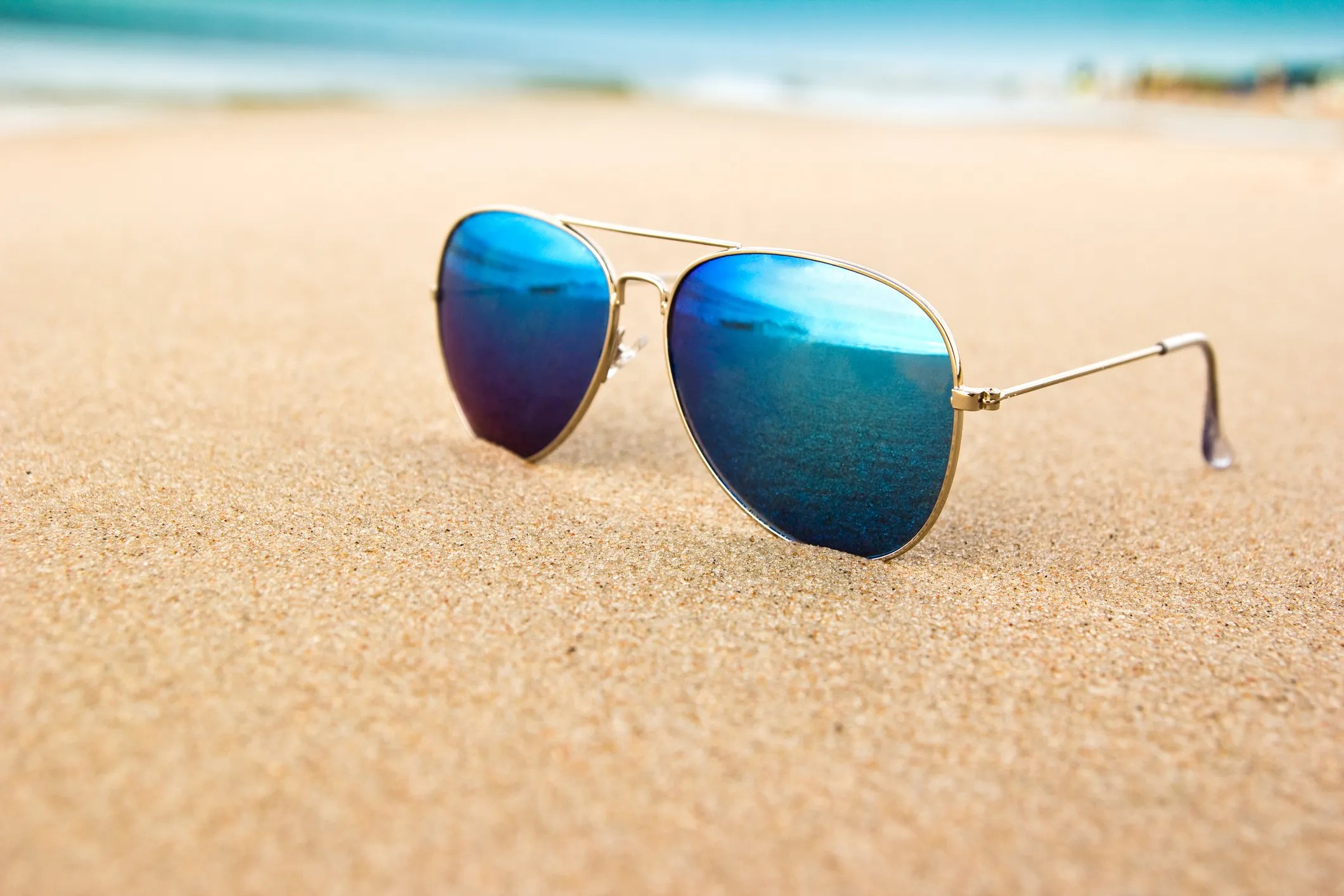
The American National Standard ANSI Z80.3-2025: Ophthalmics – Nonprescription Sunglass and Fashion Eyewear Requirements has been released.
Sunglasses are the epitome of cool. A status symbol as far back as when Roman Emperor Nero viewed gladiator fights through polished gems, the widespread use of sunglasses among movie stars in the 1900s placed the accessories well within the confines of top fashion. Their popularity accelerated once mass production of sunglasses began in 1929.
Sunglasses also serve a practical purpose—their tinted lenses resist the power of the sun’s rays and ultraviolet (UV) light, which can inflict detrimental effects to a person’s eyes. This is, in fact, the original purpose of sunglasses, as, even in prehistoric time, Inuit peoples wore flattened walrus ivory glasses to block harmful sunlight.
Anyone who purchases a pair of sunglasses needs to be assured of certain levels of quality and performance in their ability to reflect sunlight and resist anticipated wear. ANSI Z80.3-2025, an American National Standard developed and published by the Vision Council, an ANSI-accredited standards developing organization, helps to grant this assurance.
What Is ANSI Z80.3-2025?
ANSI Z80.3-2025 establishes standard requirements for “noncorrective (essentially plano power) lenses that are intended for attenuation of light and for fashion eyewear,” which are commonly known as sunglasses.
ANSI Z80.3-2025 details compliance information for flammability, durability, cosmetic, refractive, and transmittance properties of sunglasses that should be determined by the manufacturer using an appropriate statistically significant sample procedure at an appropriate stage of manufacture. These may vary depending on the type of lens. The document also details test procedures for assessing these properties.
What Lenses Aren’t Covered by ANSI Z80.3-2025?
Please note that this American National Standard explicitly excludes products that are covered by:
- ANSI/ISEA Z87.1-2025: American National Standard for Occupational and Educational Personal Eye and Face Protection Devices
- ANSI Z80.1-2025: Ophthalmics – Prescription Ophthalmic Lenses – Recommendations
- Any standards developed to provide protection for selected sports (e.g. skiing, snowboarding, and lacrosse) by the ASTM F08.57 committee.
Lenses covered by the ANSI Z80.3-2025 standard are also not intended for use under conditions of reduced illumination, but variable tint lenses that fade to a luminous transmittance greater than 75 percent are covered.
Changes to ANSI Z80.3-2025
This 2025 revision represents the most current consensus of experts in this field, and it updates the previous edition of the sunglasses American National Standard, ANSI Z80.3-2018. Notable changes made to ANSI Z80.3-2025 include:
- incorporation of the definition of High Energy Visible light, per the Technical Report of the ASC Z80 Spectral Bands Task Force
- clarification of requirements for frame finish and cosmetic quality of lenses
- new requirements for claims for selective spectral transmittance and UV attenuation other than absorption by a lens
- amendment to the resistance to radiation test to be consistent with international requirements
- inclusion of labeling requirements when lenses may not be suitable for driving and road use, consistent with international standards
- renaming of “cosmetic” eyewear as “fashion” eyewear
A summary of past revisions can be found in the ANSI Z80.3-2025 document.
For further sunglass- and eyewear-related guidance, there is ANSI Z80.3 / ANSI/ISEA Z87.1 – Eyewear Requirements Set and ANSI/ISEA Z87.1 / ANSI Z80.3 / ANSI Z80.1 – Eyewear Package.
ANSI Z80.3-2025: Ophthalmics – Nonprescription Sunglass and Fashion Eyewear Requirements is available on the ANSI Webstore.
Questions About ANSI Z80.3?
Please direct any technical questions relating to this American National Standard to the developer. You can find the contact information for all ANSI-accredited standards developers here: List of ANSI-Accredited Standards Developers (ASDs).
For further information, please refer to: Who to Contact for Standards Related Questions.




Are frosted or colored lenses allowed to be worn indoors?