Why Are Eggs Refrigerated in the US and Not in Europe?

If you have traveled abroad, you might have noticed something curious: in Europe, eggs are often sold unrefrigerated, while in the US (as well as Japan, Australia, New Zealand, and parts of Scandinavia), they are typically found in the chilled section of grocery stores by the milk, butter, and cheeses. So, why the difference? The answer ultimately lies the risk of salmonella—a type of bacteria that can cause foodborne illness—and both the US and Europe have different methods in preventing salmonella.
How Can Eggs Be Infected by Salmonella?
There are two ways eggs can be infected by Salmonella.
- Bacteria can be passed from an infected hen to her eggs as they develop inside.
- Salmonella can grow on the outside of the shell after an egg is laid if it comes in contact with a hen’s feces.
Both the US and Europe aim to eliminate or vastly minimize the risk of Salmonella – but the way they do so varies.
Method in the US for Preventing Salmonella: Egg Washing
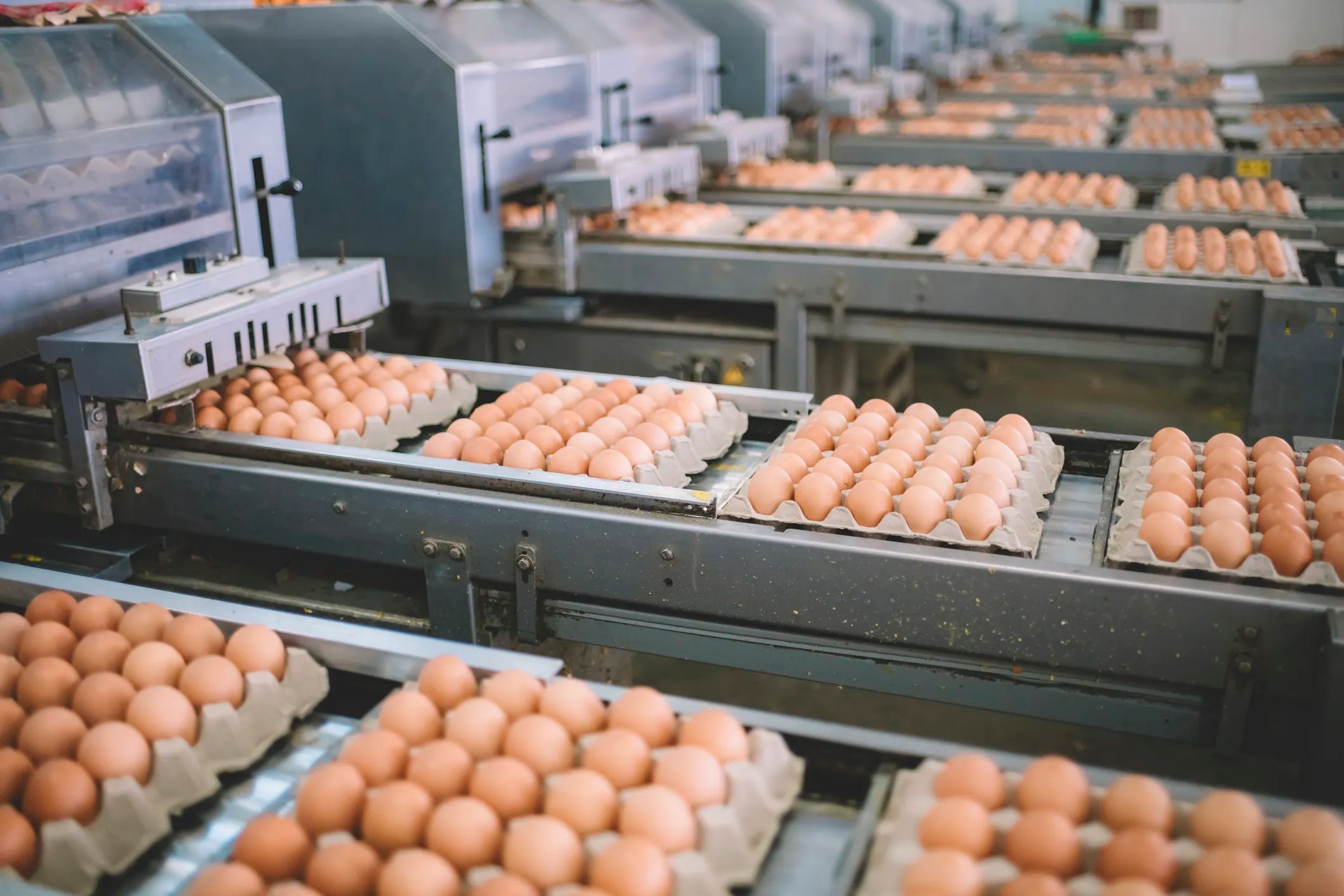
In 1970, the US Department of Agriculture perfected an egg washing system.Soon after eggs pop out of the chicken, American producers put the eggs into a machine that shampoos them with soap and hot water, leaving the egg shells clean. The only catch of this egg washing system was that the eggs had to be refrigerated until eaten because this egg washing process removes a thin, filmy, protective outer layer called the cuticle (or bloom): the natural shell that keeps bacteria out of an egg while letting oxygen circulate. Since the cuticle is removed, eggs are vulnerable to bacteria, thus necessitating refrigeration to slow bacterial growth and extend shelf life (around 3-5 weeks).
Method in Europe for Preventing Salmonella: Keeping the Cuticle
In Europe, eggs are not washed and retain their protective cuticle, which prevents contamination, and chickens are also often vaccinated against salmonella. Since eggs are sold with the cuticle coating intact, they can be safely stored at room temperature for a period of time without significant risk of contamination. Most European countries actually prohibit washing eggs before they reach the consumer. The rationale is that washing eggs may cause the egg’s pores to open, which might allow bacteria to enter the shell. Since eggs are typically kept unwashed, they retain their natural protective cuticle, which, as mentioned earlier, can keep harmful bacteria at bay without refrigeration.
Additionally, many European countries emphasize strict biosecurity measures on farms to prevent salmonella contamination before it even reaches the eggs. For example, many European egg producers vaccinate their hens against Salmonella, which greatly reduces the risk of the bacteria being present in the eggs. As a result, eggs in Europe are often safe to be stored at room temperature, since they are less likely to carry the harmful bacteria in the first place.
Importance of Detecting Salmonella
Detecting Salmonella is crucial for preventing foodborne illness, which can cause significant public health and economic burdens. For reference, every year in the US, the CDC estimates that Salmonella causes 1.35 million infections, 26,500 hospitalizations, and 420 deaths. The timely detection of Salmonella is therefore critical to prevent these outbreaks of foodborne illness.
ISO 22000:2018—A Comprehensive Framework for Food Safety Management
Regardless of the food safety methods in the US and Europe to detect salmonella, implementing a food safety management system is paramount because it systematically protects public health by preventing foodborne illnesses, assures legal compliance, builds crucial consumer trust, protects brand reputation, facilitates global trade, and reduces costly waste from contamination, making it a moral duty and a business necessity for any food-related operation.
ISO 22000:2018 is an international standard that integrates the principles of Hazard Analysis and Critical Control Points (HACCP) with prerequisite programs (PRPs) to assure food safety. The international standard requires companies to perform thorough risk assessments to identify biological hazards. In regards to specific egg production or processing environments, biological hazards may include Salmonella. Based on the risk analysis, organizations must establish specific control measures to prevent these biological hazards.
While ISO 22000:2018 defines the food management system, the actual procedures for lab testing Salmonella often refer to other specific international standards, such as ISO 6579-1:2017.
What Is the ISO 6579-1:2017 Standard for Detecting Salmonella?
ISO 6579-1:2017 specifies the horizontal method that can be used for detecting Salmonella. It includes specific annexes for certain situations; it is applicable when testing eggshells or products made from eggs. Adhering to ISO 6579-1:2017 helps assure consistency and reliability in testing, which is crucial for food safety, regulatory compliance, and preventing the public health consequences of Salmonella contamination.
Different Approaches, Same Goal: Food Safety of Eggs in the US and Europe
Approximately 290 million eggs are consumed daily in the world. As such, assuring their safety is of the utmost importance around the world. While eggs in the US are washed and refrigerated to prevent contamination, European practices rely on vaccination and stricter hygiene on the farm to minimize the risks of bacteria. Whether eggs are sold refrigerated or at room temperature, it is clear that both the US and European systems prioritize the same goal: keeping eggs safe to eat and reducing the risk of foodborne illness.
Where to Find ISO 22000:2018 and ISO 6579-1:2017
Food manufacturers, testing laboratories, government agencies, and others can find ISO 6579-1:2017—Microbiology of the food chain – Horizontal method for the detection, enumeration and serotyping of Salmonella – Part 1: Detection of Salmonella spp on the ANSI Webstore.
Additionally, ISO 22000:2018—Food safety management systems – Requirements for any organization in the food chain is available on the ANSI Webstore and in the following Standards Packages: ISO 22000 / ISO 22002-1 – Food Safety Bundle, ISO 22000 / ISO/TS 22002-1 – Food Safety Bundle, and ISO 22000 Food Safety Management Systems Package.