
The Seed Oil Debate: Why Standards Matter in Health Talks

In recent years, seed oils have taken center stage in conversations about health, nutrition, and food quality. From being lauded for their heart-healthy unsaturated fats to being vilified as industrial byproducts, the debate is loud—but often the discourse is missing one key ingredient: standards.
What Are Seed Oils?
Seed oils are oils extracted from the seeds of plants—common ones include:
- Canola oil: Extracted from rapeseed, it is popular in frying and baking due to its neutral taste and high smoke point.
- Soybean oil: One of the most widely produced oils, used in cooking, processed foods, and industrial applications.
- Sunflower oil: Commonly used in cooking and frying, it is often seen as a more neutral oil.
- Corn oil: Another widely used oil, especially in the U.S., often found in processed foods.
- Safflower oil: Similar to sunflower oil but with a higher monounsaturated fat content.
- Cottonseed oil: Extracted from the seeds of the cotton plant and is used as salad oil, for frying, in margarine manufacture, and for manufacturing shortenings used in cakes and biscuits.
- Rice bran oil: Extracted from the outer layer (bran) of rice grains, it is popular in cooking and frying.
- Peanut oil: Derived from the seeds of the peanut plan and is used for deep frying, stir-frying, and sautéing.
Valued for their neutral flavor, high smoke point, and long shelf life—seed oil are staples in both home kitchens and industrial food production. Not all seed oils, however, are created equal.
History of Seed Oils
Seed oils first emerged in the late 1900s as an alternative to partially hydrogenated oils (PHOs): a type of processed fat created by adding hydrogen to liquid vegetable oils. It is important to note that PHOs are processed vegetable oils (i.e., an artificial product), while seed oils are natural vegetable oils (i.e., natural extracts). PHO has been linked to an increased risk of heart disease due to the presence of trans fats, a type of unsaturated fatty acid formed during the hydrogenation process. Further, in 2015, the U.S. Food and Drug Administration (FDA) determined that PHOs are not generally recognized as safe (GRAS) and required manufacturers to remove them from their products by June 2018.
With the emergence of industrialization and the advent of new techniques to extract oil from seeds, the seed oil industry commenced in the US in the early 20th century. Hence, seed oils were the solution for cheaper, mass-producible alternatives to traditional fats. The problem was that humans had never consumed these oils in such large amounts before. In fact, in 1900, seed oils accounted for only 1% of added fat in the American diet, but by the end of the century, they constituted approximately 85%.
So, Are Seed Oils Bad for You?
While correlation does not prove causation, evidence shows that obesity rates started to rise as seed oils began to dominate the American diet. The primary driver of this obesity epidemic is the increased consumption of ultra-processed foods, which are convenient, cheap, and calorie-dense; seed oils are often a component of these unhealthy ultra-processed foods, along with added sugars, sodium, and various additives. Ultimately, research has shown that greater exposure to ultra-processed foods is associated with increased risk for negative health outcomes.
Breakdown of the Seed Oil Conversation: Are They Unhealthy?
Seed oils are not inherently unhealthy, but their healthfulness depends on their type, processing, and how they are used.
“The Hateful Eight”: What Seed Oils To Avoid
The seed oils most often recommended to avoid are “The Hateful Eight”: canola, corn, cottonseed, grapeseed, rice bran, safflower, soybean, and sunflower oils. These are often avoided due to their high omega-6 content, which can lead to inflammation and health issues, and their heavy industrial processing, which can damage their nutritional profile.
High-Omega 6 Fatty Acid Content
Seed oils are high in linoleic acid, a type of omega-6 fatty acids, which are themselves a type of polyunsaturated fatty acid. Hence, the main issue with many commonly used seed oils is their high omega-6 fatty acid content. Omega-6 fats are essential for health, but when omega-6 fats are consumed in excess—especially in relation to omega-3s—they may contribute to inflammation, oxidative stress, and potentially increase the risk of chronic diseases like heart disease, diabetes, and arthritis. This is because our bodies tend to convert omega-3s into chemicals that fight inflammation, while omega-6s can be converted into chemicals that promote inflammation.
The typical Western diet (e.g., nuts, seeds, edamame, tofu, and ultra-processed foods containing seed oils) tends to be high in omega-6. Most people get far too many omega-6 fatty acids and far too few omega-3 fatty acids in their diet, and it is this imbalance that can lead to inflammation. In the right amount, however, omega-6 fatty acids contribute positively to our health with research showing that omega-6 fatty acids help lower LDL (or harmful cholesterol), are protective against heart disease, and contribute to cell membrane structure and brain function.
Research suggests that when it comes to these two types of fatty acids, the proper ratio may be key: a ratio of 2:1 or even 1:1 of omega-6 to omega-3 seems to be ideal for health.
Chemical Processing of Seed Oils
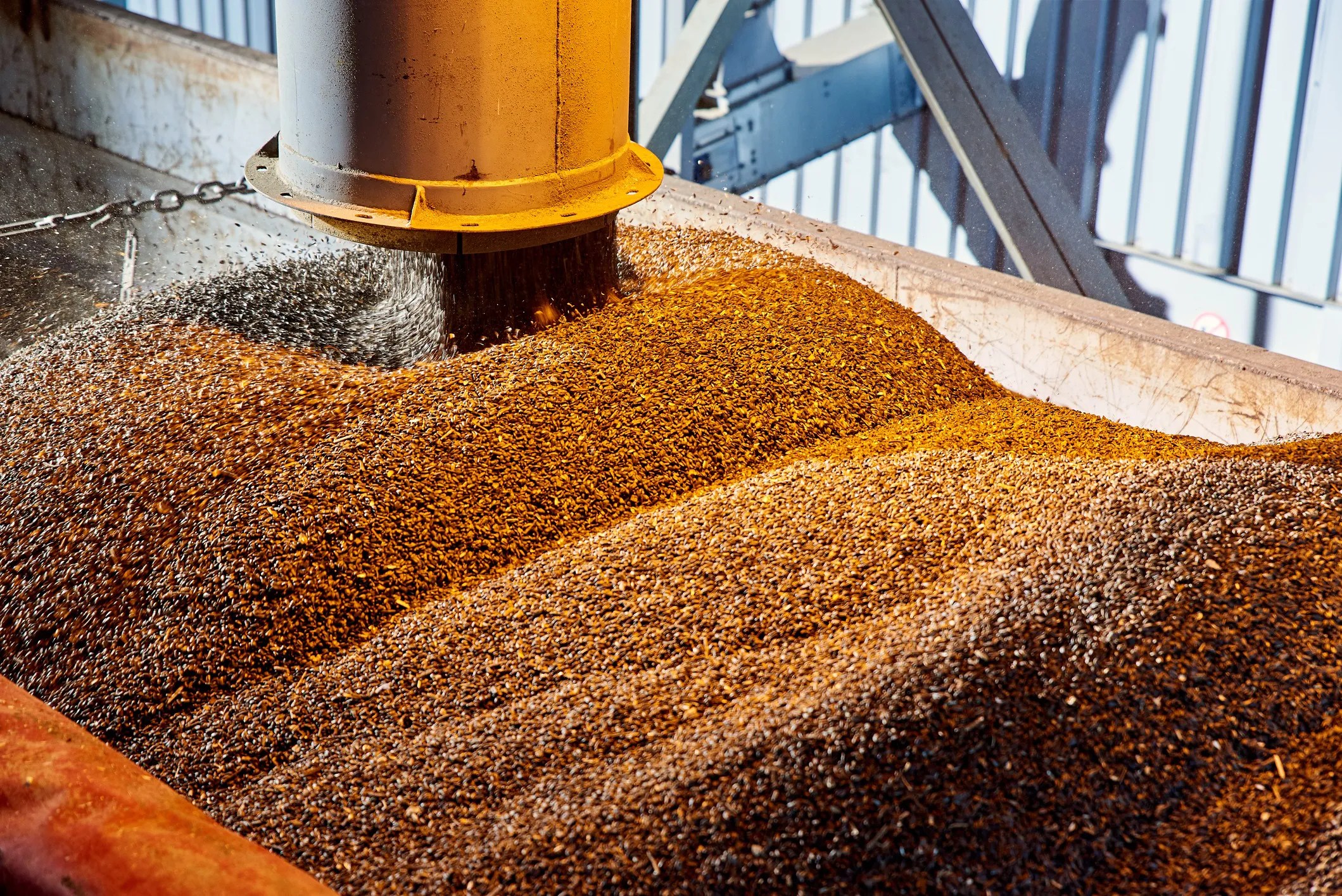
To be used at higher temperatures, to help with taste, and to maintain a longer shelf life, many seed oils are chemically processed. This processing strips seed oils of their nutrients and also may be adding harmful ingredients. The chemical processing of seed oils can include cleaning, pressing, bleaching, deodorizing, refining, and sometimes adding a chemical solvent hexane (which is hazardous in gas form but evaporates during oil processing) for oil extraction. While the hexane evaporates off, there may or may not be traceable amounts remaining. It is also important to note that some seed oils may be extracted mechanically, such as expeller pressed or cold pressed, rather than chemically, eliminating the need for hexane.
While seed oils are more commonly processed in this way compared to other oils, other oils may also be refined and processed this way.
Oxidation and Shelf Life
Omega-6 fatty acids and omega-3 fatty acids are both types of polyunsaturated fatty acids (PUFAs), and as such Seed oils are high in PUFAs, which are more prone to oxidation. Seed oils are chemically unstable when heated and form toxic byproducts like aldehydes, which are linked to cell damage, cancer, and neurodegenerative diseases. Seed oil oxidation diminishes the oil’s nutritional value and can lead to inflammation and oxidative stress in the body, with risks increasing when the oils are heated for cooking or are stored improperly.
The Role of International Standards in Assuring Quality and Safety in Seed Oils
Seed oils are a staple in kitchens, industries, and cosmetics worldwide, playing a crucial role in everything from cooking to biofuels. With the growing demand for high-quality, safe, and sustainable seed oils, it is essential to assure that these seed oil products meet strict quality control standards for oilseed and oil testing.
- ISO 12966-4: 2015 is an international standard for determining fatty acid methyl esters (FAMEs) in animal and vegetable fats and oils, including those derived from seeds. The method is used to analyze the fatty acid composition of these oils for quality control and characterization, but it excludes analysis of dairy fats and certain complex fatty acids. ISO 12966-4: 2015 is used to assure consistent and high-quality analysis for animal and vegetable fats and oils used in various industries.
- ISO 659:2009 specifies the reference method for determining the oil content of oilseeds, and ISO 734:2023 details the method for determining the oil content of oilseed meals (the residue after oil extraction). Both ISO 659:2009 and ISO 734:2023 specify reference and rapid methods for determining oil content in oilseeds and oilseed meals using hexane extraction.
- ISO 729:1988 defines a standard method for determining the acidity of oils extracted from oilseeds, which is a key quality parameter indicating oil freshness and degradation. The process involves extracting oil from the seeds, dissolving it in a specific solvent mixture (diethyl ether and ethanol), and then titrating the free fatty acids with an ethanolic potassium hydroxide solution.
- ISO 5555:2001 provides standardized methods for sampling crude or processed seed oils (and other fats), assuring the collected sample is representative of the entire batch for quality control and analysis. This helps producers and consumers verify oil quality, detect contaminants, and confirm specifications for different seed oils like soybean, sunflower, and rapeseed.
- ISO 17059:2019 provides a rapid method for extracting oil from oilseeds like rapeseed, sunflower, and soya, and for preparing methyl esters of their fatty acids for subsequent gas chromatography analysis. This standard streamlines the traditional two-step process (oil extraction, then ester preparation) into a single, faster procedure to help determine the fatty acid composition of seed oils.
By providing uniform methods for testing and managing seed oils and fats, adherence to international standards is essential for helping maintain quality, enable accurate trade, and assure consumer safety.
You can find these international standards on the ANSI Webstore.