Building Certifications for Energy Efficiency
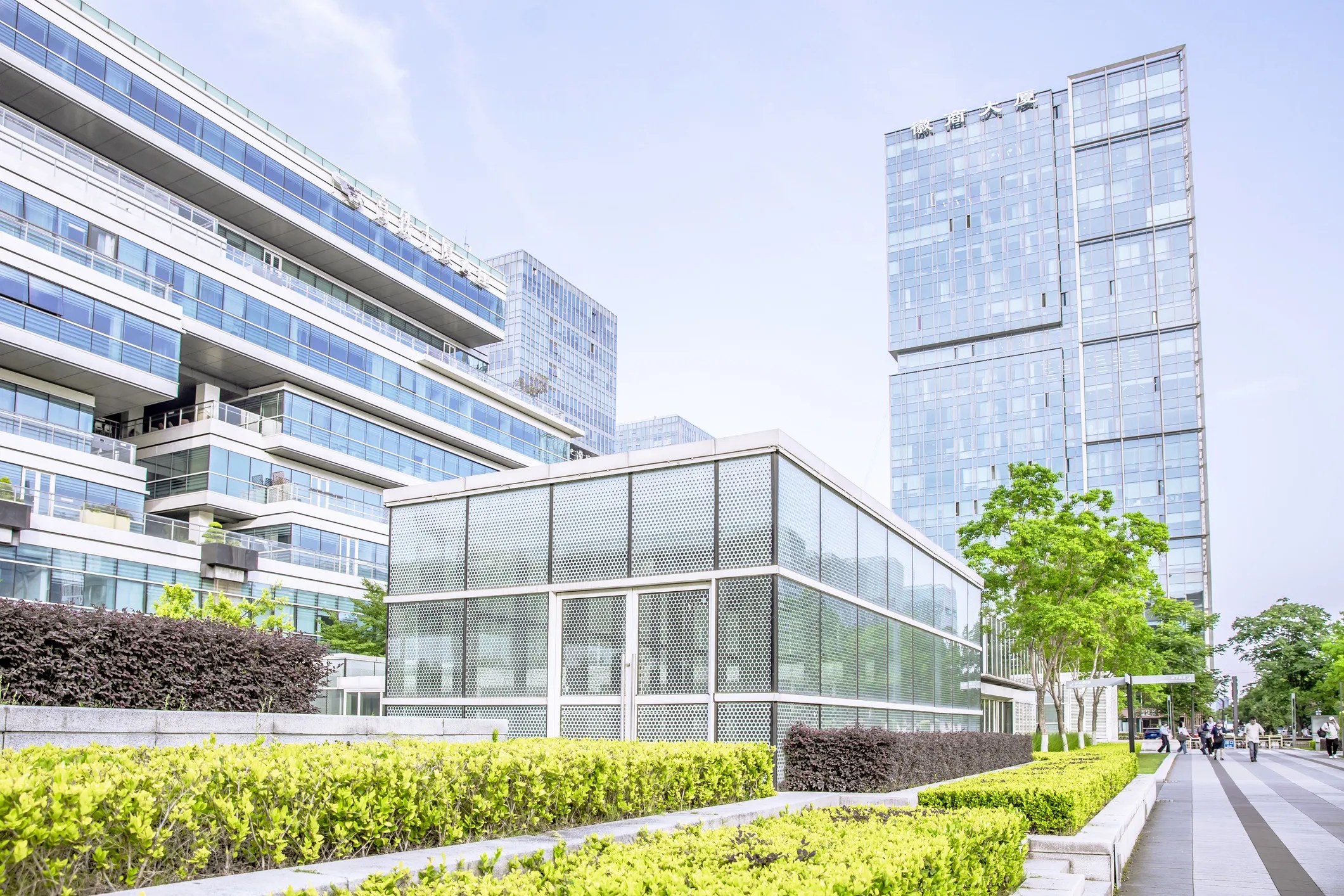
Did you know that buildings are responsible for about 30% of global final energy consumption and over half of electricity use? This energy is used for heating, cooling, lighting, appliance, and cooking. Luckily, there are a multitude of ways to optimize energy use in commercial and residential buildings. Whether it is integrating smart building design (insulation, ventilation, LED lighting, etc.,), achieving industry-leading building certifications (Energy Star, LEED, Green Globes, etc.,), or adhering to international standards (ISO 50001:2018), the goal remains the same: to create energy-efficient, sustainable spaces that reduce operational costs, minimize environmental impact, and enhance occupant comfort and health.
How Can Buildings Improve Energy Performance? –Smart Building Design Strategies
The major areas of energy consumption in buildings are heating, ventilation, and air conditioning; lighting, major appliances (water heating, refrigerators and freezers, dryers), and in miscellaneous areas like electronics. In each case there are opportunities to improve the performance of system components and the way they are controlled as a part of integrated building systems. Here are some tips to consider to improve the energy efficiency of a building:
Insulation
The outside envelops of a building should be designed to lower heating and cooling needs. Insulation should make a building as airtight as possible. The insulating material should have a suitable thermal resistance for the climate zone where the facility is located. The use of the most efficient wall, window, and HVAC equipment could reduce commercial cooling by 78%.
Ventilation
A ventilation system maintains good air quality and prevents the buildup of moisture. The continuous supply of fresh outdoor air keeps the indoor air clean and fresh by removing the stale, polluted air inside the building. A ventilation system will also keep the air distribution balanced, so the HVAC system will not need to exert too much effort to maintain each room’s temperature—resulting in better indoor air quality and lesser health risks.
LED Lights
Upgrading to LED lighting can help reduce energy use by 75% compared to incandescent lighting, and LED bulbs achieve a 90% efficiency rate on average, making them 80% more efficient compared to conventional incandescent lights. An energy efficient building can also use sensors in infrequently used spaces, such as conference rooms and restrooms to cut down on energy use.
Space Optimization
Building a structure up instead of out decreases electricity and material waste. When individuals generate taller, narrower buildings, they reduce the envelope space and are optimal for large square footages. Lessening the envelope improves an HVAC system’s efficiency, preventing interference from outdoor temperature differentiations.
Certifications for Sustainable Building Practices
Building certifications such as Energy Star, LEED, Green Globes, and the National Green Building Standard (NGBS) provide a clear framework for developers, architects, and builders to ensure that buildings are designed and constructed with the environment in mind.
Energy Star
Energy Star focuses on reducing energy consumption in buildings, improving overall energy efficiency, and reducing greenhouse gas emissions. The program sets energy efficiency specifications for a wide range of products, from appliances like refrigerators and dishwashers to electronics and lighting.
Leadership in Energy and Environmental Design (LEED)
LEED emphasizes sustainable design and operational practices, offering a comprehensive certification program for various building types. This green standard aims to improve the sustainability of buildings in areas like site planning, water efficiency, energy use, materials selection, indoor air quality, and design feature. LEED buildings typically cost about 2% more to build than conventional buildings, but the improved energy and water efficiency as well as a higher occupancy rate means that this additional cost is often recouped in just a few years.
Green Globes
Green Globes is a science-based, three-in-one whole building certification system that evaluates the environmental sustainability, health & wellness, and resilience of all types of commercial real estate. Green Globes covers a range of project types, including new construction, existing buildings, and interior spaces. The certification process involves self-assessment via an online questionnaire and a third-party audit by a Green Globes Assessor.
National Green Building Standard (NGBS)
NGBS provides guidance for residential buildings to achieve better energy and water efficiency. It verifies that buildings are designed and constructed to meet specific criteria for six high-performance areas: Lot Design and Development, Resource Efficiency, Water Efficiency, Energy Efficiency, Indoor Environmental Quality, and Building Operation and Maintenance.
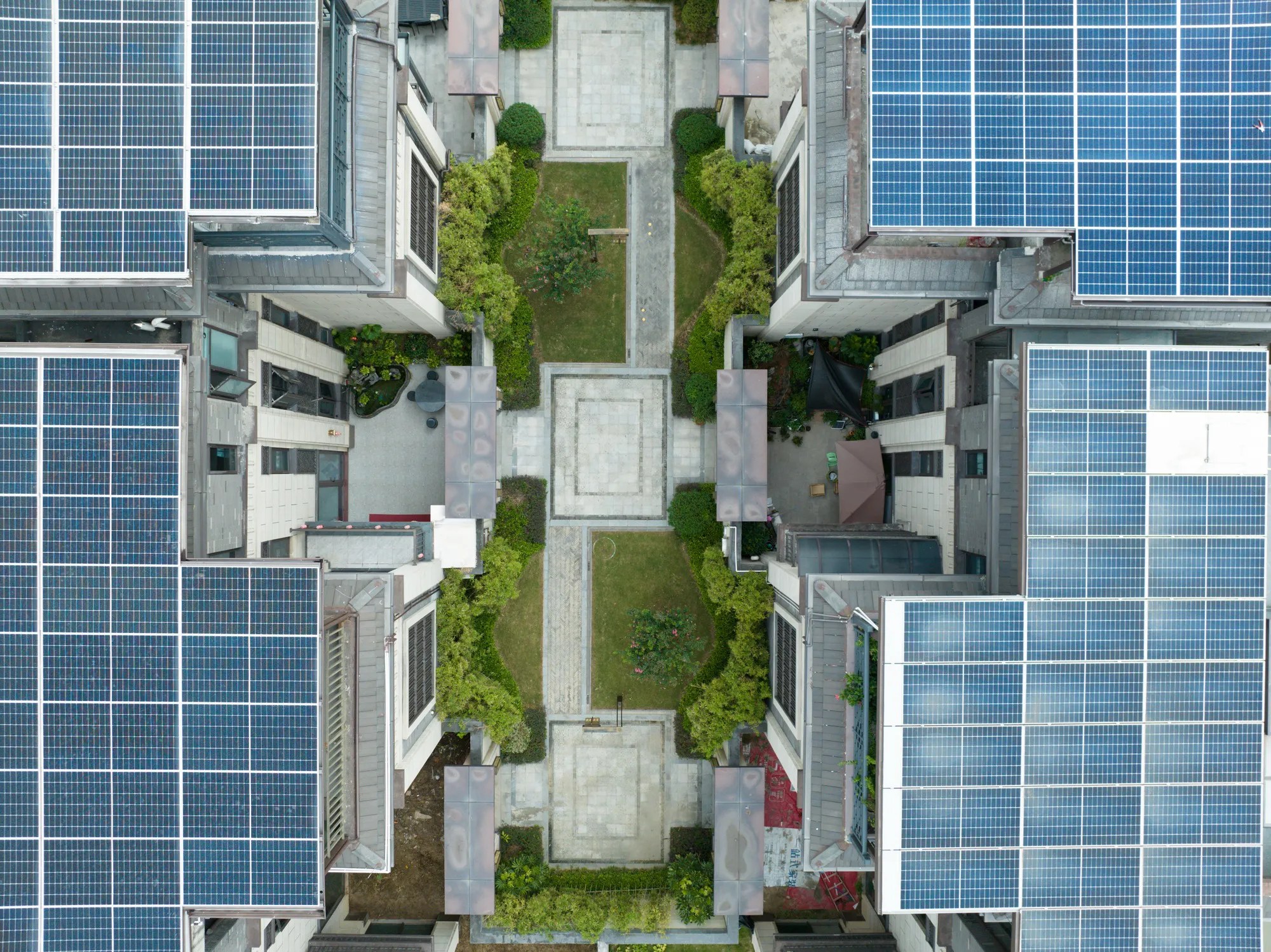
What Is ISO 50001:2018?
In addition to certification programs, it is also important to align with recognized industry standards for building performance like ISO 50001:2018 for energy management because by implementing an energy management system (EnMS) under ISO 50001:2018, a building’s energy consumption and environmental impact can be reduced.
ISO 50001:2018 is the international standard for energy management systems (EnMS), providing a framework for organizations (regardless of its size, sector, or location) to improve their energy performance, efficiency, and consumption. It helps organizations develop policies and processes to systematically track, analyze, and improve energy performance through a “plan-do-check-act” approach. The goal of ISO 50001:2018 is to help organizations improve their energy performance, including energy efficiency, use, and consumption, through a systematic approach. The standard provides a framework to help guide organizations in identifying their most energy intensive processes and areas for improvement.
Adhering to ISO 50001:2018 can help developers, architects, and builders meet local and international energy codes, reduce environmental impact, and provide occupants with healthier, more comfortable living and working environment.
Where to Find ISO 50001:2018?
Any organization can benefit from ISO 50001:2018—especially those looking to manage energy costs, improve efficiency, reduce their environmental impact, and meet regulatory requirements.
ISO 50001:2018—Energy management systems – Requirements with guidance for use is available on the ANSI Webstore and in the following Standards packages:
- ISO 14001 / ISO 50001 – Energy and Environmental Management Systems Set
- ISO 45001 / ISO 50001 – Energy and Occupational Health Management Set
- ISO 50001 – Energy Management Systems Collection
- ISO 50001 / ANSI/MSE 2000 / ISO 9000 / ISO 9001 – Energy and Quality Management Package
- ISO 50001 / CSA PLUS 50001 – Energy Management Systems Package
- ISO 50001 / ISO 50002 – Energy Management Package
- ISO 50001 / ISO 50002 / ISO 50006 / ISO 50047 – Energy Management ESG Package
- ISO 50001 / ISO 9001 / ISO 14001 – Energy Quality and Environmental Management Systems Package
- ISO 50001 / ISO/TS 50011 – Energy Management Systems Set
- ISO 50001 and ANSI/MSE 50021 – Energy Management Systems Package
- ISO 50001:2018 and ISO 50001:2011 – Energy Management Transition Set
You can learn more about ISO 50001:2018 in our blog posts: Changes to ISO 50001:2018 for Energy Management Systems, ISO 50001:2018 Released – Energy management systems – Requirements with guidance for use, and ISO 50001 Helps Organizations.