
Vintage Toy Safety – Hazards of The Past

Old Toys Aren’t Guaranteed to Be Safe.
Nostalgia can erupt within any of us. We can accelerate this feeling by acting on it. This can be achieved by, for example, purchasing a toy you played with as a child.
Nostalgia in Today’s Pop Culture
This affinity for the past extends far beyond reclaiming one’s youth. On a massive scale, pop culture icons and ideas of past decades have sprouted up from the depths of obscurity and into today’s mainstream media. Behemoth franchises of the Twentieth Century are in resurgence, engaging multiple generations and causing renewed interest in both their new products and formerly mass-produced rarities of the past.
In a way, this is nothing new. Gazing at the past through rose-colored glasses has always been common, even on a collective scale. For example, back in the 1980s, a time that heavily influences some of today’s cultural interests, there were constant nods back to the 1950s. However, today, in the globalized world, things like vintage toys can be incredibly easy to acquire.
Toy Safety Standards
Today, toy safety is strengthened by standards and regulations, but, in the past, recommendations and requirements for toy safety were less defined. The standard consumer safety specification for toy safety, ASTM F963, was first approved back in 1986. It began as a Voluntary Product Standard published in 1976 by the U.S. National Bureau of Standards, now NIST. For some time now, it has served as the toy safety specification in the United States. ISO 8124-1, which is based on ASTM F963 and European standards, was first published in 2000. It is often used for toy safety internationally.
Since their respective initial publications, these two standards have been revised periodically to keep up with the industry they support, helping manufacturers provide safety in their toy products and ultimately limit the hazards they pose to children.
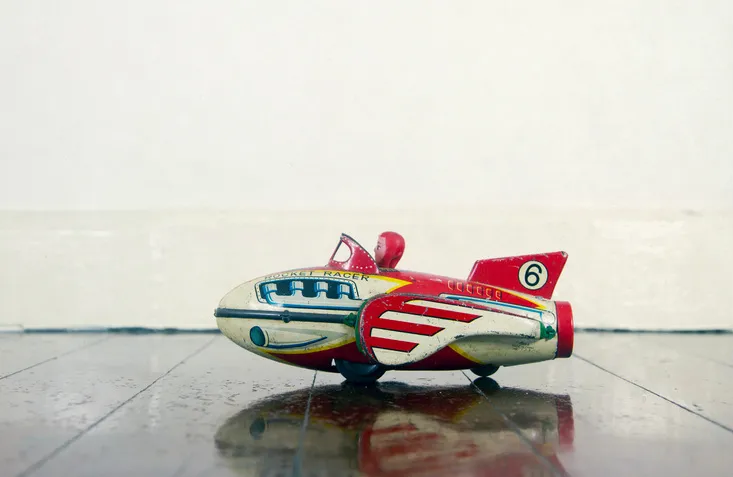
Dangerous Toys from the 60s and 70s
Some of the most dangerous toys ever made lean heavily towards toys produced during the 60s and 70s. Toys made during this time were often dangerous, as they lacked many of the safety precautions and oversight that we depend upon today.
With new products, manufacturers comply with standards. In the United States, toys sold must meet the requirements of ASTM F963 under federal legislation.
The Dangers of Buying Old Toys
However, when you purchase a classic toy via resale, you aren’t receiving the same assurance. In achieving the physical manifestation of your nostalgia, you may be exposing yourself to hazards. And, that’s the problem—you don’t know whether or not these vintage toys are safe.
Standards like ASTM F963 and ISO 8124-1 help make today’s toys safe. The relics that predate them, like classic or vintage toys, can carry risk.





Do you know if the astm changed the chemicals that are allowed in toys? I have a doll that says it complies with ASTM. The doll is from 1995 and 1996