
ISO/IEC 18004:2024—QR Code Bar Code Symbology
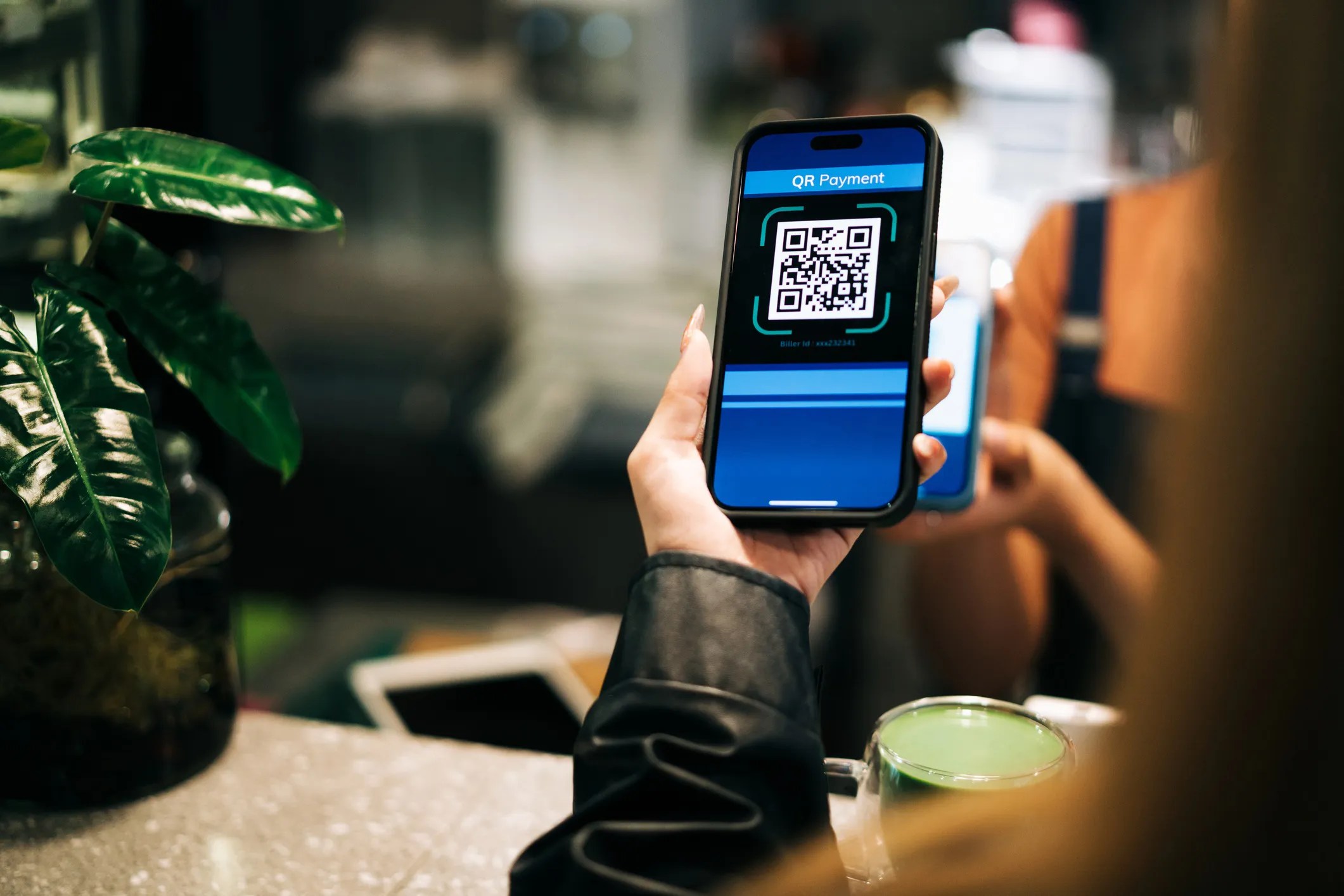
Quick Response (QR) codes have become a common tool for sharing digital information instantly—from restaurant menus, event tickets , mobile payments, and product tracking. With a quick scan of a smartphone camera, these square two-dimensional barcodes can connect users to websites, digital services, and real-time data in seconds, Behind this widely used technology is the international standard ISO/IEC 18004:2024—Information technology – Automatic identification and data capture techniques – QR code bar code symbology specification, which defines the technical specifications for QR code bar code symbology.
What Is ISO/IEC 18004:2024?
ISO/IEC 18004:2024 specifies requirements for the symbology known as “QR code.” The standard specifies the QR code symbology characteristics, data character encoding methods, symbol formats, dimensional characteristics, error correction rules, reference decoding algorithm, production quality requirements, and user-selectable application parameters.
What Is A QR Code?
A QR code (quick-response code) is a type of two-dimensional matrix barcode. It features black squares on a white background with fiducial markers, readable by imaging devices like cameras, and processed using Reed–Solomon error correction until the image can be appropriately interpreted. The required data are then extracted from patterns that are present in the QR image’s horizontal and vertical components.
Who Invented QR Codes? The Story Behind the Technology
In the 1960s, Japan entered its high economic growth period, and supermarkets were selling a wide range of commodities from food to clothing. Cash registers that were then used at checkout counters in these stores required the price to be keyed in manually. As a result, many cashiers suffered from numbness in the wrist and carpal tunnel syndrome. The invention of the QR code was the solution to this problem.
In 1994, Masahiro Hara came up with the idea of QR codes. Hara was employed by the Japanese company Denso Wave for labelling automobile parts; he conjured the idea of QR codes while playing the game Go, which consists of a 19×19 grid with black and white stones placed throughout. Hara realized that a grid system could hold much more information in a single code and could be read from multiple directions, angles, and distances—speeding up production times. Hara and his Denso Wave team successfully made his vision a reality and developed the QR Code (Quick Response Code).
The Rise of QR Codes and the ISO/IEC 18004:2024 Standard
QR codes grew exponentially in 2020 when the COVID-19 pandemic hit because the world sought quick and easy ways to function without physical contact. Almost everyone carries a smart phone with QR scanning capabilities, which meant it was possible to dine at restaurants and bars without touching a menu or paying for items without touching cash or pushing buttons on a card reader. Today, we have become used to a contactless world, and it is clear QR codes are here to stay. ISO/IEC 18004:2024 specifies QR code symbology.
Real-World Uses of QR Codes
Common real-world uses of QR codes include:
- Mobile payments: Customers can scan a QR code to complete secure transactions without using cash or credit cards.
- Restaurant menus: Many restaurants use QR codes to provide contactless digital menus that customers can view on their phones.
- Event tickets and boarding passes: QR codes allow fast verification and check-in at airports, concerts, and sporting events.
- Product tracking and inventory management: Manufacturers and retailers use QR codes to track goods throughout supply chains.
- Marketing and advertising: Businesses place QR codes on posters, packaging, and advertisements to direct customers to websites, promotions, or additional product information.
How Do QR Codes Work?
When a smartphone camera scans the small black or white squares of a QR code (i.e., modules), it interprets the horizontal and vertical arrangement of modules as binary code to trigger an action, such as opening a website, email contact information, or other types of data. The design of QR codes also includes built-in error correction, meaning the code can still be read even if part of it is damaged or obscured. These capabilities are ensure that QR codes can be reliably generated and scanned across different devices and applications worldwide.
What Is the QR Code Family in ISO/IEC 18004?
ISO/IEC 18004:2024 details that there are four technically different, but closely related members of the QR code family, which represent an evolutionary sequence.
- QR code model 1 is the original specification for QR code and is described in AIM ITS 97-001.
- QR code model 2 is an enhanced form of the symbology with additional features (primarily, the addition of alignment patterns to assist navigation in larger symbols) and is the basis of the first edition of this document (ISO/IEC 18004:2000).
- QR code (the basis of the second edition of this document, ISO/IEC 18004:2006) is very similar to QR code model 2; its QR code format differs only in the addition of the facility for symbols to appear in a mirror image orientation for reflectance reversal (light symbols on dark backgrounds) and the option for specifying alternative character is set to the default.
- The micro QR code format (also specified in the second edition of this document, ISO/IEC 18004:2006), is a variant of QR code with a reduced number of overhead modules and a restricted range of sizes, which enables small to moderate amount of data to be represented in a small symbol, particularly suited to direct marking on parts and components, and to applications where the space available for the symbol is severely restricted.
Where to Find ISO/IEC 18004:2024
By providing a consistent framework for two-dimensional bar codes, ISO/IEC 18004:2024 supports the growing use of QR codes in commerce, logistics, marketing, and everyday digital interactions.
ISO/IEC 18004:2024—Information technology – Automatic identification and data capture techniques – QR code bar code symbology specification is available on the ANSI Webstore