



As dusk falls on the Fourth of July, the first burst of fireworks lights up the sky while grills sizzle, boats fill the waterways, and families gather for one of America’s most celebrated holidays. Few people realize that behind nearly every part of these festivities—from the fireworks overhead, the propane grill on the patio, and the life jacket on the lake—is a network of standards designed to improve safety, quality, and reliability.
Firework Safety Standards Help Protect Fourth of July Celebrations
According to the U.S. Consumer Product Safety Commission (CPSC), an estimated 13,000 people were injured and 15 people died in fireworks-related incidents in 2025, with burns to the hands, fingers, face, and eyes among the most common injuries. Young people aged 15 to 24 experienced the highest rate of injuries, underscoring the importance of product safety and proper handling.
As July 4th celebrations near, prioritizing fireworks safety is paramount. To help assure firework safety, manufacturers and testing laboratories can use standards that support safer fireworks throughout their entire lifecycle—from manufacturing and quality assurance to testing, labeling, consumer use, and post-incident investigation.
ISO Standards for Consumer Fireworks
The ISO 25947 Fireworks Collection provides a comprehensive framework for consumer fireworks, covering terminology (ISO 25947-1), hazard categories and product types (ISO 25947-2), minimum labeling requirements (ISO 25947-3), standardized test methods (ISO 25947-4), and construction and performance requirements (ISO 25947-5). These international standards help assure that fireworks are consistently classified, tested, labeled, and manufactured before reaching consumers.
Learn more about the ISO 25947 – Fireworks Collection on the ANSI Webstore.
Manufacturers may also implement ISO 9001:2026, Quality Management Systems — Requirements, to strengthen quality control and process consistency throughout the manufacturing process. For example, ISO 9001:2026 helps assure that products are manufactured consistently, strictly adhering to specifications, and that testing and supply chain traceability are strictly documented to prevent hazardous defects.
ASTM Standards for Fireworks-Related Incident Investigations
In fireworks-related incident investigations, ASTM E860-22: Standard Practice for Examining and Testing Items That Are or May Become Involved in Criminal or Civil Litigation and ASTM E1459-24: Standard Guide for Physical Evidence Labeling and Related Documentation form the bedrock of forensic defensibility. They assure evidence handling remains legally sound, physically secure, and meticulously documented to maintain an uninterrupted chain of custody.
Backyard Barbecues Are Safer Because of Product Standards
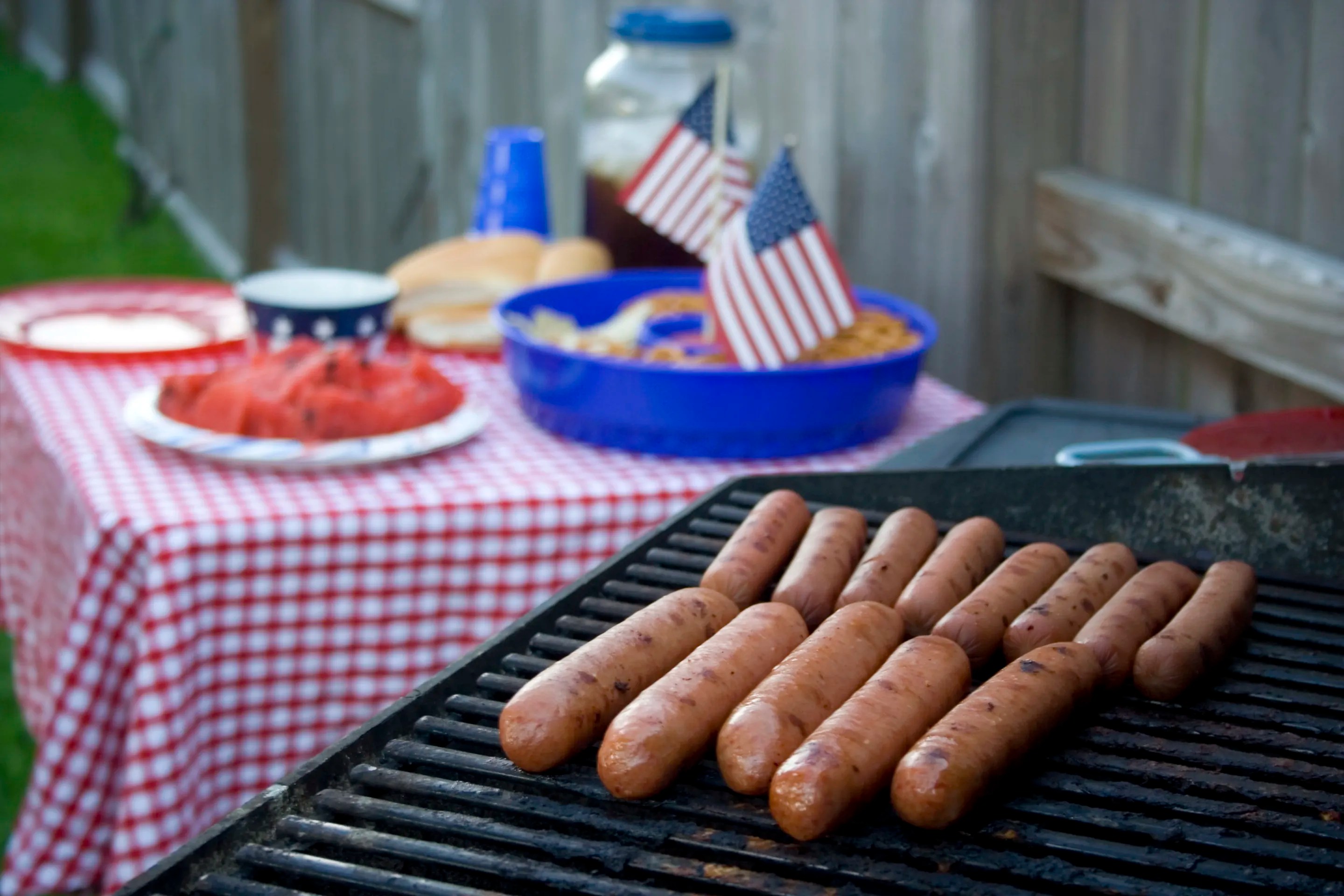
Fourth of July barbecues depend on products (e.g., gas grills, propane cylinders, patio heaters, and fuel connectors) that have been designed and tested to established safety requirements. Standards help manufacturers improve the safety and reliability of outdoor cooking equipment before it reaches consumers. For example, ANSI Z21.58/CSA 1.6-2022, Outdoor Cooking Gas Appliances, specifies requirements for the construction, performance, and testing of gas grills, while CSA ANSI Z21.81-2005 (R2020)/CSA 6.25-2005 (R2020): Cylinder Connection Devices establishes safety requirements for the durable construction and acceptable performance of cylinder connection devices (i.e., the hardware that attaches propane or butane gas cylinder to a gas grill).
These standards address critical elements such as burner performance, fuel system integrity, pressure regulation, ignition reliability, construction materials, product markings, and operating instructions. Together, these American National Standards / National Standards of Canada (developed by CSA Group) help manufacturers produce equipment that performs safely under expected operating conditions.
These requirements are especially important during the summer months, as the U.S. fire departments respond to an annual average of 12,141 home fires involving grills. These incidents cause an average of 15 civilian deaths, 171 injuries, and $241 million in direct property damage each year. By following recognized safety standards and proper operating practices, manufacturers and consumers can help reduce the risk of fires and enjoy a safer holiday cookout.

Safe Boating Starts Before Leaving the Dock
Independence Day is consistently one of the busiest—and most hazardous—boating weekends in the United States, as millions of recreational boaters head to lakes, rivers, and coastal waters. According to the U.S. Coast Guard’s 2024 Recreational Boating Statistics Report, there were 556 boating-related fatalities and 2,170 non-fatal injuries across 3,887 total incidents nationwide.
ISO 12402-2 Safety Standard for Lifejackets
Furthermore, according to the U.S. Coast Guard’s 2024 Recreational Boating Statistics Report, around 75% of boating-related drowning victims in recent years were not wearing life jackets at the time of the incident, and drowning remains the leading cause of death in recreational boating accidents.
To address these risks, ISO 12402-2:2020—Personal flotation devices – Part 2: Lifejackets, performance level 275 – Safety requirements establishes detailed safety, performance, and design criteria for high-performance level 275 lifejackets, which provide 275 N of buoyancy. These lifejackets are designed for offshore use under severe conditions or for wearers carrying heavy additional loads (such as heavy tools or thick protective gear).
Boating safety begins with well-designed vessels and equipment. The international standard ISO 12217-1:2022, Small Craft — Stability and Buoyancy Assessment and Categorization establishes requirements to evaluate a vessel’s stability, flotation, and seaworthiness. ISO 9094:2022, Small Craft — Fire Protection provides requirements for fire prevention and protection systems aboard recreational boats, while ISO 8846:2025, Small Craft — Electrical Devices — Protection Against Ignition of Surrounding Flammable Gases helps reduce ignition hazards in gasoline engine compartments.
Other international standards, including ISO 10087:2022, Small Craft — Craft Identification Coding System improve vessel traceability and identification, and ISO 15085:2024 Small Craft — Man-Overboard Prevention and Recovery addresses design features and equipment intended to reduce the risk of falling overboard and improve recovery procedures.
These internationally recognized standards help manufacturers design safer recreational vessels while giving boat owners greater confidence in the boats and equipment they rely on during one of the busiest boating weekends of the year.
Standards Help Make Every Celebration Safer
From the ISO 25947 standard series governing fireworks displays, to ANSI Z21.58/CSA 1.6 assuring safe grill performance, and ISO 12402-2 setting safety requirements for lifejackets, standards support countless products and activities that make Independence Day celebrations possible.
As you gather with family and friends this Fourth of July, remember that the traditions we cherish are backed by decades of collaboration among engineers, manufacturers, testing laboratories, regulators, and standards developers—all working toward the same goal: creating safer products, safer workplaces, and safer celebrations for everyone.
You can find more standards on the ANSI Webstore.