Eyewear Standards for Safety and UV Protection
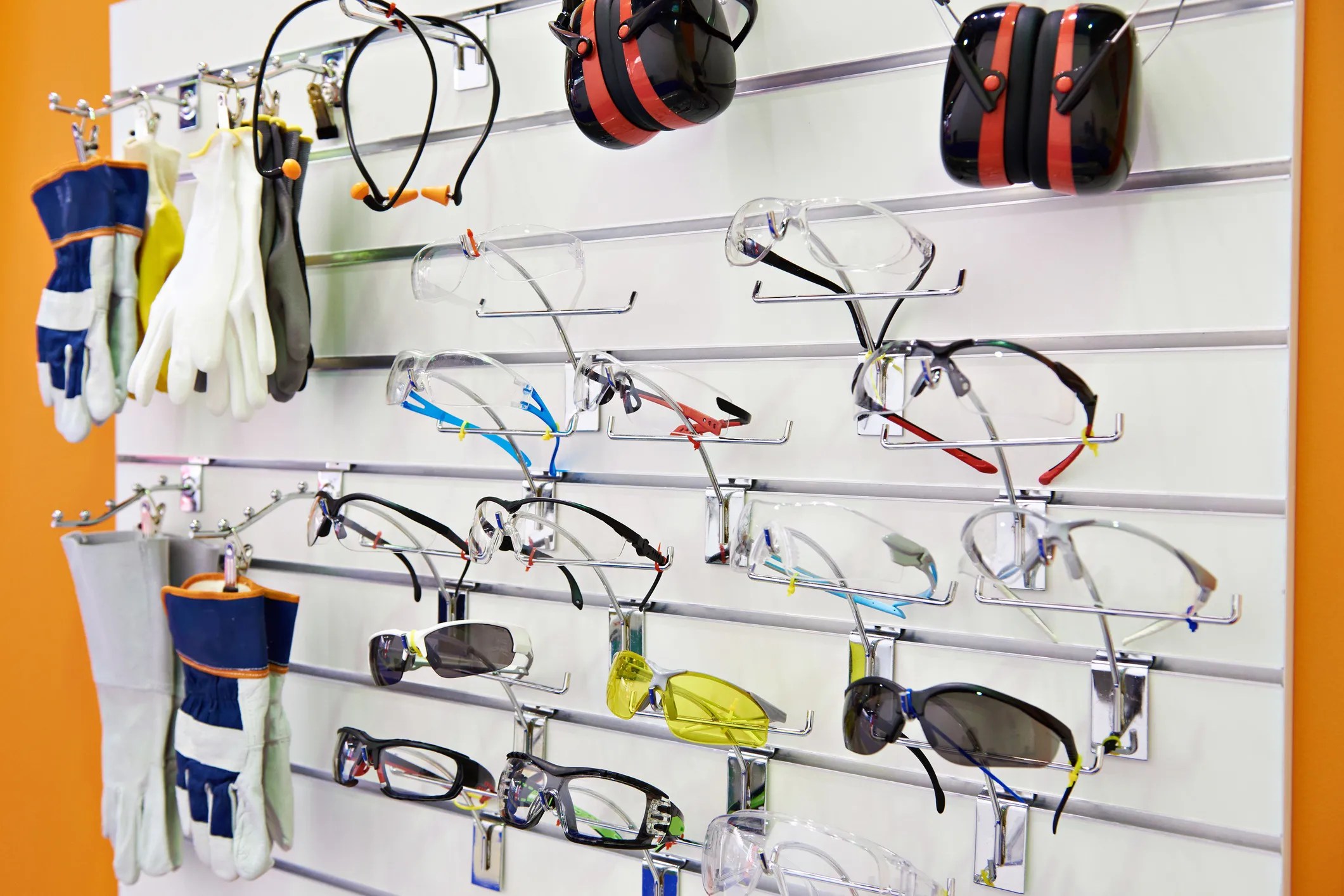
Damage to our eyes can be both permanent and painless—because the retina, the light-sensitive tissue at the back of the eye, has no pain receptors. Instead of discomfort, serious issues like retinal tears or detachment may appear only through subtle warning signs such as new floaters, flashes of light, or a dark curtain moving across one’s vision. This silent vulnerability is exactly why protective eyewear matters. Eyewear safety standards exist to assure sunglasses block harmful ultraviolet (UV) radiation, safety glasses can withstand impacts and workplace hazards, and eclipse viewers meet strict criteria for filtering the sun’s intense rays. By establishing clear requirements for performance and protection, standards help safeguard one of our most essential senses: sight.
Why Eyewear Standards Matter
Whether you are stepping outside for a sunlit afternoon walk, working in an environment where sparks or debris can fly without warning, or gazing skyward to witness the rare wonder of a solar eclipse, the right eyewear is not just a fashion statement— it is a critical tool for protecting your eyes. Standards such as ANSI Z80.3 for sunglasses, ANSI/ISEA Z87.1 for safety glasses, ISO 12312-2 for eclipse viewers, and ISO 12311 for eyewear test methods, establish clear performance and testing requirements so consumers and workers can trust that their eyes are protected. By establishing rigorous testing for impact resistance, optical clarity, and structural integrity, standards assure quality, performance, and safety in all types of eyewear.
Sunglasses: ANSI Z80.3‑2025 Standard for UV Protection and Eye Safety
From bright beaches to bustling city streets, sunglasses are everywhere—but their real purpose is protecting our eyes from harmful sunlight and ultraviolet (UV) radiation. ANSI Z80.3‑2025 establishes standard requirements for “noncorrective (essentially plano power) lenses that are intended for attenuation of light and for fashion eyewear,” commonly known as sunglasses. The American National Standard sets clear requirements for non-prescription sunglasses and fashion eyewear, covering aspects like optical clarity, UV protection, transmittance (light reduction), traffic signal recognition, and physical durability of lenses and frames.
You can learn more about ANSI Z80.3‑2025 in our blog posts: ANSI Z80.3-2025, Sunglasses Standard Revision and ANSI Z80.3 – Sunglasses Requirements.
Safety Glasses: ANSI/ISEA Z87.1‑2025 Standard for Protective Eyewear
When you are on a construction site, in a lab, or handling tools and machinery, robust protective eyewear is paramount. ANSI/ISEA Z87.1‑2025 defines performance criteria for occupational and educational eye and face protection devices. It establishes specifications for the design, performance specifications, and marking of safety eye and face products. Products compliant with ANSI/ISEA Z87.1‑2025 are marked, with symbols such as “Z87” or “Z87+” (denotes “high impact” compliance), to signify they have passed rigorous tests for impact resistance, coverage, optical quality, and more.
You can learn more about ANSI/ISEA Z87.1‑2025 in our blog posts: ANSI/ISEA Z87.1-2025: Current Standard for Safety Glasses and ANSI Z87.1 Protection from Snow Glare.
Solar Eclipse Glasses: ISO 12312-2:2015 Standard for Specialized Protection
Watching a solar eclipse is awe-inspiring, but looking directly at the sun without proper eye protection can cause permanent eye damage, including retinal burns. Regular sunglasses are nowhere near dark enough. ISO 12312-2:2015 specifies requirements and test methods for afocal (plano power) filters intended for direct observation of the sun, for example solar eclipse viewing. This international standard is intended specifically for watching solar eclipses or observing the sun, not for general-use sunglasses. Requirements to ISO 12312-2:2015 cover transmittance, uniformity of transmittance, material quality, and proper labeling.
You can learn more about ISO 12312-2:2015 in our blog post:ISO 12312-2:2015—Solar Eclipse Glasses.
Eyewear Testing: ISO 12311:2023 Standard for Eyewear Test Methods
Before eyewear can protect our eyes from sunlight, impact, or environmental stress, it undergoes rigorous testing to verify its safety, durability, and performance. ISO 12311:2023 outlines test methods for sunglasses and related eyewear to assure consistent evaluation across products worldwide. It specifies international reference test methods for sunglasses, clip-ons, and replacement lenses, focusing on verifying optical properties, transmittance, and mechanical strength. These test methods help manufacturers prove compliance and give consumers confidence in their purchases.
Where to Find Standards for Eye Safety
Next time you reach for a pair of shades or click “add to cart” on eclipse glasses, remember that the standards behind them establish the requirements that help protect your vision.
ANSI Z80.3, ANSI/ISEA Z87.1, ISO 12312-2, and ISO 12311 are available on the ANSI Webstore and in the Standards Packages:
- ANSI Z80.3 / ANSI/ISEA Z87.1 – Eyewear Requirements Set
- ANSI/ISEA Z87.1 / ANSI Z80.3 / ANSI Z80.1 – Eyewear Package
- ANSI Z49.1 / ANSI Z136.1 / ANSI/ISEA Z87.1 – Welding and Lasers Face Protection Package
- ANSI/ISEA Z358.1 / ANSI/ISEA Z87.1 – Eyewash and Eye Protection Package
- ANSI/ISEA Z87.1 / ANSI Z80.3 / ANSI Z80.1 – Eyewear Package
- ASA/ANSI S12.6 / ANSI/ISEA Z87.1 – Ear, Eye and Face Protection Set
- ASTM F2100 / BS EN 149 / ANSI/ISEA Z87.1 / ANSI/ASSE Z88.2 – Medical Face Mask Collection