
Why ESD Protective Packaging Matters
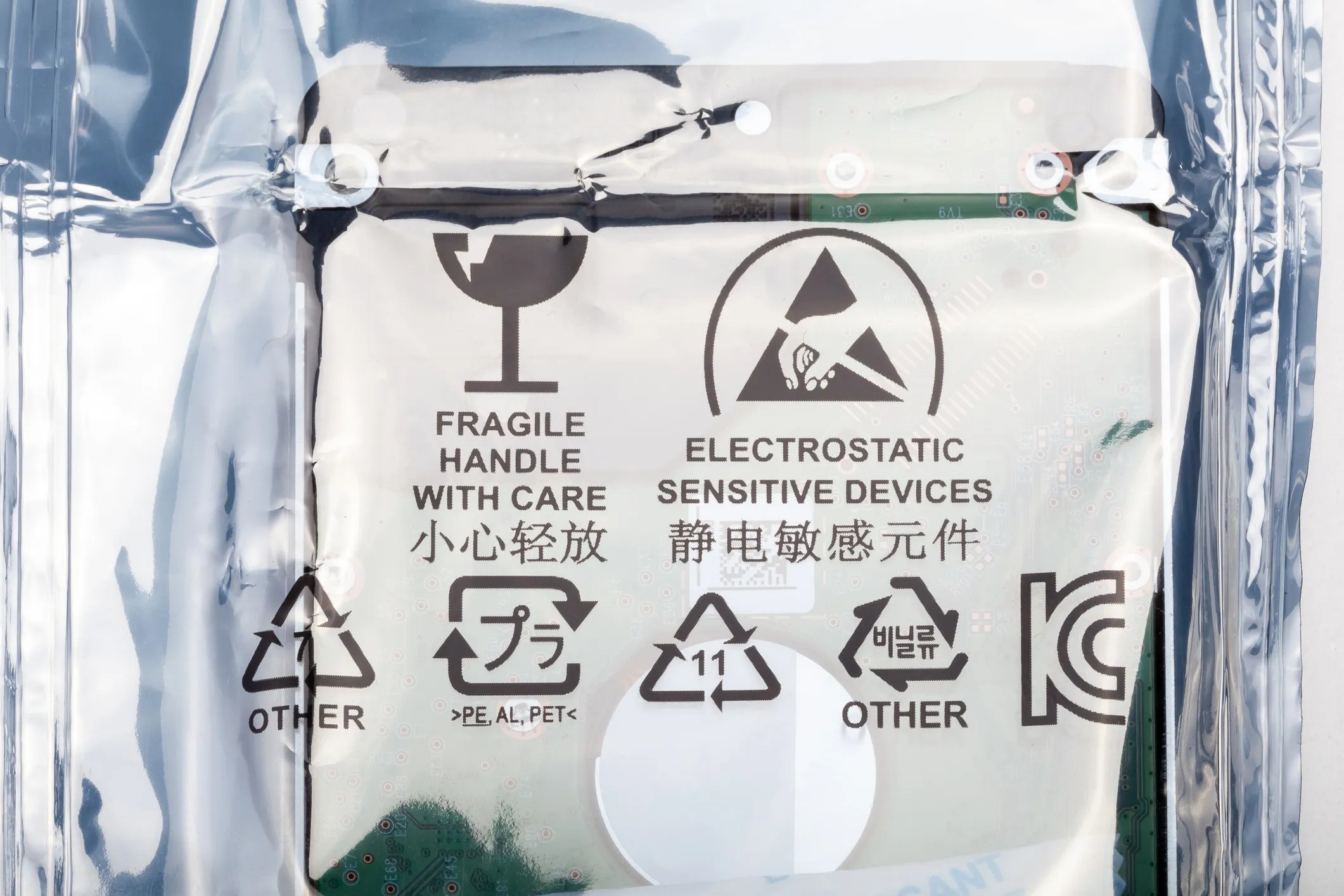
Protecting electronic products does not end when manufacturing is complete; rather, many threats to sensitive electronic devices occur during storage, handling, and transportation. Electrostatic discharge (ESD)—the sudden transfer of electrical charge between objects at different electrical potentials—can damage electronic components long before they reach the end user. ESD may be responsible for as much as 33% of semiconductor failures during manufacturing and handling, making it one of the most significant reliability concerns in modern electronics production. This is why ESD protective packaging plays such a critical role in safeguarding electronic products throughout the supply chain.
Understanding the Risk of Electrostatic Discharge
Many electronic components are highly sensitive to static electricity (i.e., the build-up or imbalance of electrical charges on the surface of a material). While humans typically cannot feel a discharge until it reaches approximately 2,000 volts, some microelectronic devices can be damaged by as little as 10 to 100 volts. Even a seemingly harmless static charge generated by walking across a floor or handling a package can cause permanent damage to sensitive electronics. ESD damage generally falls into two categories:
Catastrophic Failures
Catastrophic failures occur immediately after an electrostatic event. The component ceases to function and is typically identified during testing or inspection.
Latent (Hidden) Defects
Latent defects are often more problematic as the component may continue to function after an ESD event, passing initial quality checks. However, the component suffers internal degradation that shortens its lifespan or causes premature failure later in service (often during use by the end customer).
What Is Electrostatic Discharge (ESD) Packaging?
Electrostatic Discharge (ESD) packaging is specially designed to minimize the buildup and discharge of static electricity while protecting electrostatic discharge sensitive (ESDS) devices. Unlike ordinary packaging materials, ESD protective packaging incorporates specific electrical properties that help control static charges and shield contents from potentially damaging electrostatic events. Common forms of ESD protective packaging include:
- Shielding bags
- Conductive bags
- Static-dissipative bags
- Conductive totes and containers
- ESD-safe trays
- Protective foams
- Corrugated conductive packaging
- Moisture barrier bags with ESD protection
Each packaging type is designed for particular applications, environments, and levels of protection.
Why ESD Protective Packaging Matters
ESD protective packaging does more than prevent static damage; it also helps protect products, preserve reliability, reduce costs, and support quality throughout the global electronics supply chain.
Protects Products During Transportation
Products often travel thousands of miles before reaching their destination. During shipping, packages encounter movement, vibration, friction, and varying environmental conditions that can generate static charges. ESD protective packaging provides a controlled environment that helps prevent electrostatic charges from reaching sensitive electronic components during transport.
Maintains Product Reliability
A product that leaves the manufacturing floor in perfect condition can still suffer hidden ESD damage if improperly packaged. Protective packaging helps preserve product integrity by preventing both catastrophic failures and latent defects that may not be detected until months or years later. This directly supports long-term reliability and customer satisfaction.
Reduces Costly Failures and Returns
The true cost of ESD damage extends beyond the value of the component itself. Organizations may face product recalls, warranty claims, rework and repair costs, production delays, customer dissatisfaction, and brand reputation damage.
Global ESD-related losses are estimated at $5 billion or more annually. Proper packaging is a relatively small investment compared to the potential costs associated with field failures and customer complaints.
Supports Compliance with ESD Control Programs
Electronics manufacturers implement comprehensive ESD control programs to protect products throughout manufacturing and handling processes. Packaging serves as a critical extension of these programs. Without proper packaging, protection established within an ESD Protected Area (EPA) can be lost once products leave the controlled environment. Effective packaging assures ESD protection continues during storage, shipping, and distribution.
Enables Global Supply Chain Protection
Modern electronics supply chains often involve multiple suppliers, contract manufacturers, warehouses, distributors, and logistics providers. Every transfer point introduces opportunities for electrostatic damage. ESD protective packaging creates a consistent layer of protection that remains with the product throughout its journey, helping maintain quality regardless of how many times the product changes hands.
The Role of ANSI/ESD S541-2026
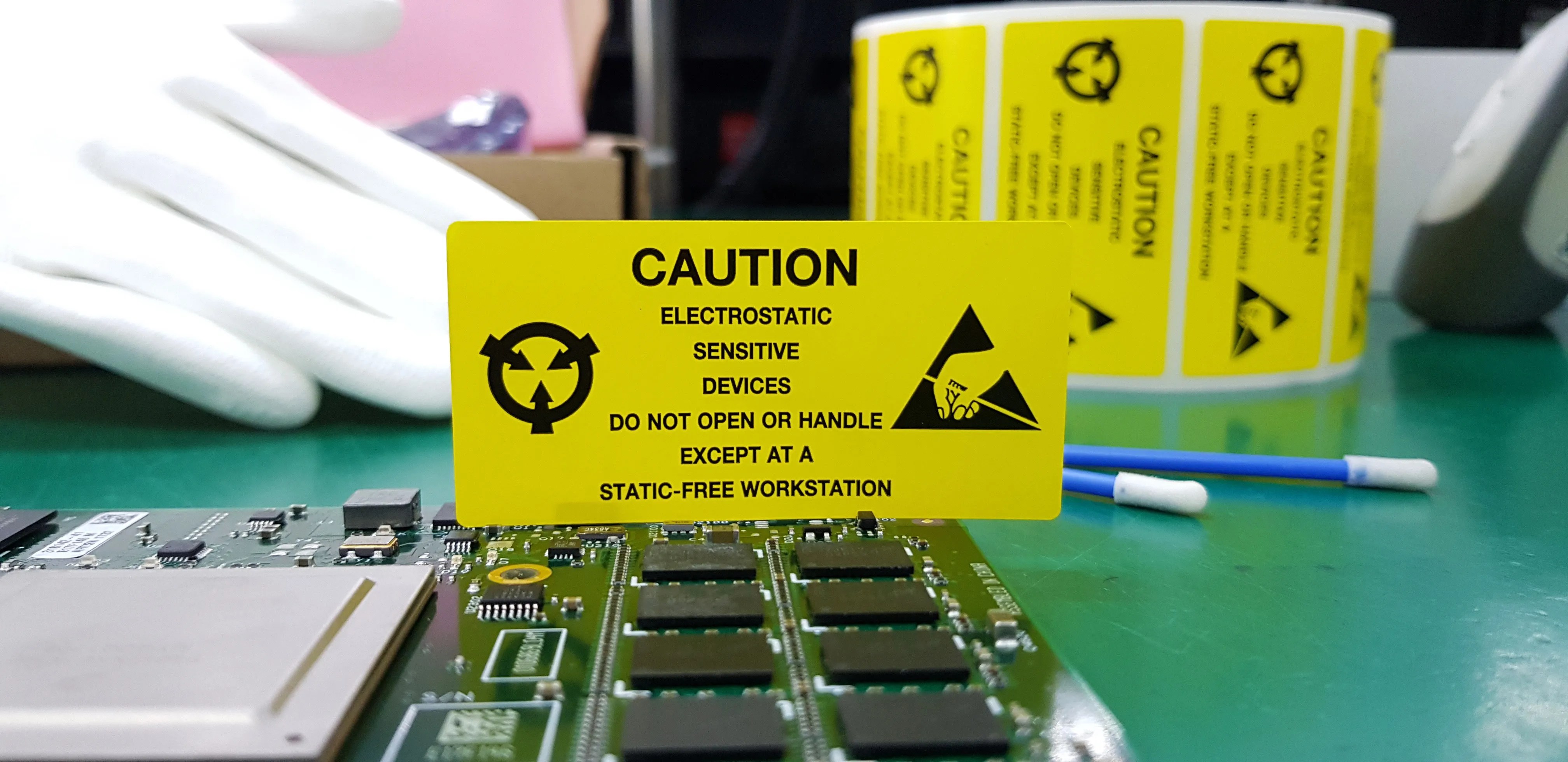
To assure packaging materials provide adequate protection, organizations frequently rely on ANSI/ESD S541-2026—the American National Standard for Packaging Materials for ESD Sensitive Items. This standard establishes requirements and guidance for the selection, qualification, and use of ESD protective packaging. It defines packaging properties, performance criteria, and test methods used to evaluate packaging materials intended for storing, transporting, and handling ESD-sensitive devices.
ANSI/ESD S541-2026 works in conjunction with broader ESD control standards such as ANSI/ESD S20.20, helping organizations maintain protection throughout the entire product lifecycle.
By following recognized standards, manufacturers can confidently select packaging materials that meet established industry requirements and provide consistent protection.
Learn More about ANSI/ESD S20.20
You can learn more about ANSI/ESD S20.20 in our blog post ANSI/ESD S20.20-2021: Protection of Electrical and Electronic Parts and in our video:
Where to Find ANSI/ESD S541-2026
As electronic technologies continue to evolve and become more sensitive, adherence to recognized standards such as ANSI/ESD S541-2026 remains essential for organizations seeking to protect their products and assure long-term reliability.
ANSI/ESD S541-2026: Packaging Materials For the Protection of Electrostatic Discharge Susceptible Items is available on the ANSI Webstore.
ANSI/ESD S541-2026 was developed by the EOS/ESD Association.
Please direct any technical questions relating to this American National Standard to the developer. You can find the contact information for all ANSI-accredited standards developers here: List of ANSI-Accredited Standards Developers (ASDs).
For further information, please refer to: Who to Contact for Standards Related Questions.