
ANSI/HI 9.6.4-2022: Rotodynamic Pump Vibration Measurements
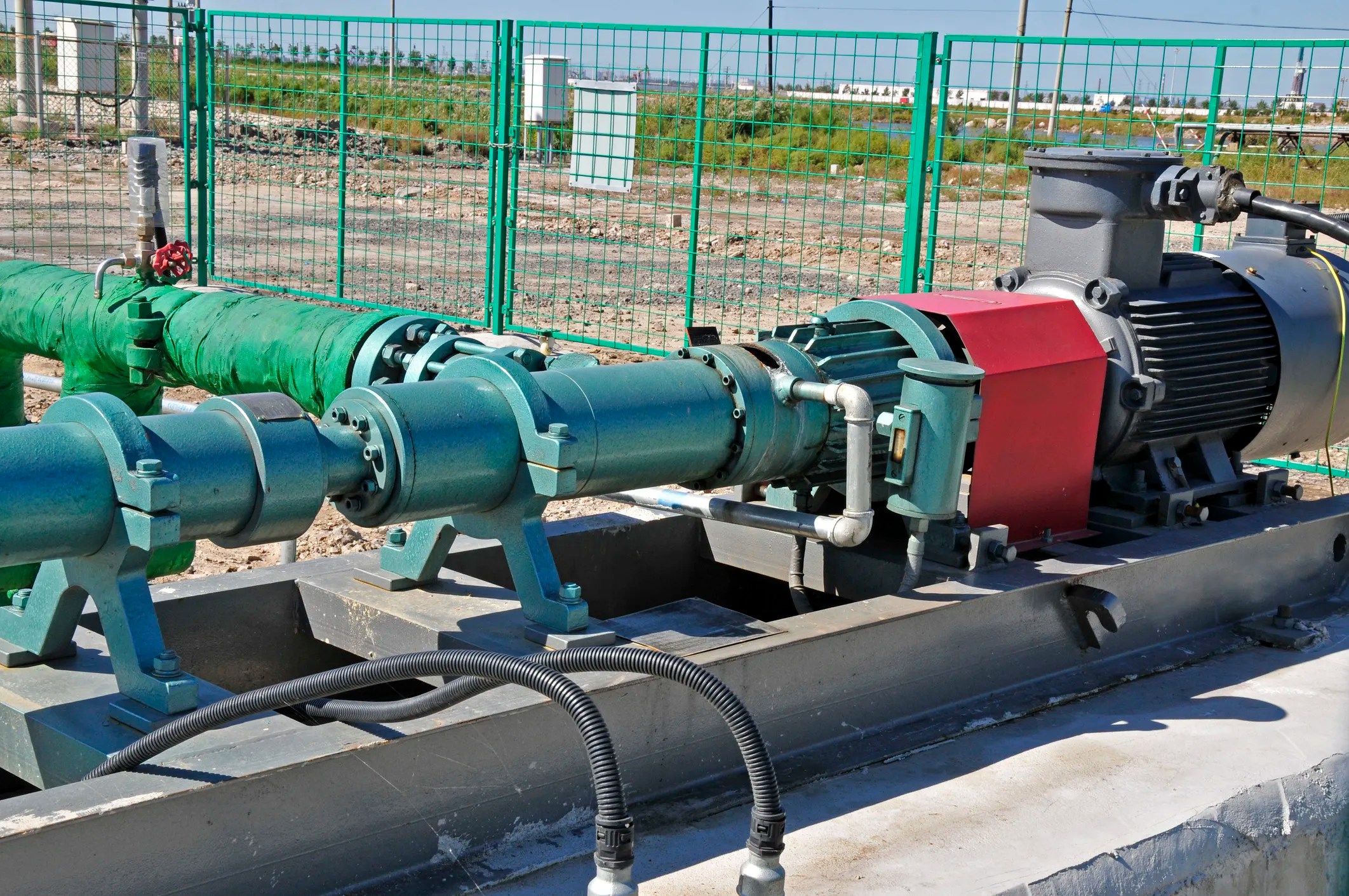
Industrial facilities rely on pumps to keep critical processes running smoothly. When excessive vibration develops, however, pump performance can deteriorate rapidly, leading to increased maintenance costs, reduced efficiency, unexpected downtime, and even catastrophic equipment failure. Monitoring vibration is one of the most effective ways to assess pump health and identify problems before they become costly. ANSI/HI 9.6.4-2022: Rotodynamic Pumps for Vibration Measurement and Allowable Values helps manufacturers, operators, and maintenance professionals consistently evaluate pump vibration.
What Are Rotodynamic Pumps?
Rotodynamic pumps (e.g., centrifugal pumps, mixed-flow pumps, axial-flow pumps, and vertical turbine pumps) transfer energy to a fluid through the dynamic action of rotating impellers. Unlike positive displacement pumps, which move fixed volumes of fluid, rotodynamic pumps continuously impart velocity to the fluid. These pumps are widely used in industry—such as water and wastewater treatment, oil and gas, power generation, chemical processing, HVAC systems, mining operations, and manufacturing facilities—and they are often considered the heart of fluid-handling systems.
What Are Rotodynamic Pump Vibration Measurements?
Rotodynamic pump vibration measurements quantify the mechanical movements and structural oscillations of a pump during operation. ANSI/HI 9.6.4-2022 notes that vibration measurements can be used for many purposes, such as acceptance tests, diagnostic or analytical investigations, and operational monitoring.
Why Do Rotodynamic Pump Vibration Measurements Matter?
Pump vibration is one of the most important indicators of equipment health and operational efficiency. If left unchecked, excessive vibration can lead to premature bearing failure, mechanical seal damage, increased energy consumption, coupling wear, and costly downtime. As such, routine monitoring of pump vibration is important to help organizations identify developing problems before they escalate into major failures.
What Is ANSI/HI 9.6.4-2022?
ANSI/HI 9.6.4-2022 applies to rotodynamic pumps and covers the evaluation of vibration when the vibration measurements are made on stationary parts associated with bearings (bearing housings). It provides specific maximum allowable vibration values measured on bearing housings of rotodynamic pumps in field and factory test environments.
Topics covered in this American National Standard include bearing housing vibration measurement, speeds above and below 600 rpm, vibration measurement instrumentation, vibration acceptance levels for field and factory tests, acceptance test installation and operating conditions, allowable pump bearing housing vibration, suggested vibration test report, factors affecting vibration, vibration criteria at the top of the motor for vertical pumps.
Ultimately, ANSI/HI 9.6.4-2022 establishes vibration measurement methodology and maximum allowable vibration values for acceptance testing of new equipment.
Supporting Reliable Pump Operation
By promoting consistent measurement practices and clear acceptance criteria, ANSI/HI 9.6.4-2022 helps organizations improve reliability, reduce maintenance costs, enhance safety, and maximize the lifespan of critical pumping equipment. For facilities seeking to strengthen predictive maintenance programs and optimize asset performance, ANSI/HI 9.6.4-2022 serves as an important resource for vibration monitoring and pump health assessment.
Where to Find ANSI/HI 9.6.4-2022?
ANSI/HI 9.6.4-2022: Rotodynamic Pumps for Vibration Measurement and Allowable Values is available on the ANSI Webstore.
ANSI/HI 9.6.4-2022 was developed by the Hydraulic Institute (HI).
Please direct any technical questions relating to this American National Standard to the developer. You can find the contact information for all ANSI-accredited standards developers here: List of ANSI-Accredited Standards Developers (ASDs).
For further information, please refer to: Who to Contact for Standards Related Questions.
Learn More about ANSI/HI Standards
You can also learn more about rotodynamic pumps in our past blog posts about ANSI/HI standards: